
Halloween in the Nordics: Haunted Castles & Ghost Tours
Last updated: October 22, 2026
Quick Answer
The dark side of the Nordics is surprisingly accessible: haunted castles, ghost stories and spooky places to visit sit within easy reach of Copenhagen, Oslo, Stockholm, Helsinki and Reykjavík. The strongest candidates are Dragsholm Slot and Kronborg Castle in Denmark, Akershus Fortress in Oslo, and the folklore-led Seurasaari ghost walks in Helsinki. October is peak season, ghost tours typically run £20,£45 per adult, and most sites are family-friendly rather than genuinely terrifying. I plan these as tailor-made Nordic itineraries from the UK, often paired with a city break.
Key Takeaways
- Dragsholm Slot in Zealand is repeatedly named among Scandinavia's most haunted buildings, and you can sleep there.
- Akershus Fortress in Oslo carries more than 700 years of dark history, including wartime executions.
- Copenhagen's Tivoli Gardens runs a huge Halloween season with over 20,000 pumpkins from early October to 1 November.
- Stockholm's "Shockholm" parade on 31 October is described as Scandinavia's largest Halloween parade, and it's free.
- Helsinki's Seurasaari Ghost Tours focus on Finnish death traditions and folklore rather than jump scares.
- Icelandic ghost stories involve physical, violent revenants; Swedish ones lean toward sorrowful white ladies.
- Expect £20,£45 for a standard ghost walk; castle hotel Halloween packages start considerably higher.
- Very little hard paranormal evidence exists anywhere. The history is real; the ghosts are stories.
- Book October dates by August. Nordic castles have small capacities and tours sell out.
- Late autumn darkness (sunset before 17:00) does most of the atmospheric work for you.
What Are the Most Haunted Castles in Scandinavia You Can Visit?
Four stand out: Dragsholm Slot and Kronborg Castle in Denmark, Akershus Fortress in Norway, and the castle-hotels around Lake Mälaren in Sweden. All four are open to the public, all four have documented, genuinely grim histories, and all four lean into their ghost lore in autumn.
Dragsholm Slot, Zealand, Denmark. An 800-year-old castle turned luxury hotel on the Odsherred coast, about 90 minutes from Copenhagen. It's consistently singled out among Europe's most haunted destinations, largely thanks to the "White Lady", a young noblewoman said to have been walled up alive after an affair with a commoner, whose remains were reportedly found inside a wall during 19th-century renovations. The Earl of Bothwell, Mary Queen of Scots' third husband, really did die imprisoned here in 1578. Halloween-night packages at Dragsholm have been listed from around 2,235 Danish kroner (roughly £250) including dinner.
Kronborg Castle, Helsingør. Shakespeare's Elsinore, a UNESCO World Heritage Site, and home to Holger Danske sleeping in the casemates. The underground passages are pitch dark and genuinely unnerving. Around Halloween, Kronborg stages immersive ghost-themed experiences in those cellars. Forty minutes by train from Copenhagen.
Akershus Fortress, Oslo. Seven centuries on the fjord, a medieval dungeon, a royal mausoleum, and a Nazi-era execution site during the occupation. European Halloween round-ups rank it among the continent's most atmospheric haunted places, and "Akershus by Night" tours are the usual way in. Free to walk the grounds.
Swedish castle-hotels. Sweden's hauntings cluster in manor houses rather than fortresses. Several Mälaren-region castles run murder-mystery and ghost dinners in autumn. If Sweden is your focus, start with my Sweden destination guide.
Choose Dragsholm if you want to sleep in the story. Choose Kronborg if you want architecture and literature with your chills. Choose Akershus if real, documented darkness matters more than legend.
Which Nordic Ghost Stories Are Actually Based on Real Events?
Most of the best ones have a verifiable historical core with a supernatural layer added later. The event happened; the haunting is folk interpretation.
- The Earl of Bothwell at Dragsholm. Documented. He was imprisoned at Dragsholm and died there in 1578, reportedly chained and insane. The ghostly horse and carriage is the embellishment.
- Akershus executions. Documented. Norwegian collaborators and resistance members were executed at the fortress during and after WWII. The "shadow sentries" are not.
- Finnish plague and famine graves. The 1860s Finnish famine killed a vast share of the rural population. Many Finnish ghost stories about roadside spirits trace to unconsecrated famine burials.
- The White Lady walled up at Dragsholm. Partly documented. Skeletal remains were reportedly found in a wall. Her identity and the romance behind it are unverified.
Common mistake: treating tour-guide narration as history. Nordic guides are usually upfront that they're telling legends, if a guide claims certainty about a ghost's name and backstory, treat it as theatre.
What's the Difference Between Swedish and Icelandic Ghost Stories?
Swedish ghosts mourn. Icelandic ghosts attack. That's the short version, and it shapes what the tours feel like.
| Swedish tradition | Icelandic tradition | |
|---|---|---|
| Typical spirit | White Lady, grieving noblewoman | Draugur, physical, corporeal revenant |
| Behaviour | Appears, weeps, warns of death | Wrestles, injures, follows families |
| Setting | Manor houses, castles, churches | Farms, burial mounds, sea cliffs |
| Source material | Oral folklore, manor histories | Sagas and the Þjóðsögur collections |
| Tone on tours | Melancholy, romantic | Grim, physical, matter-of-fact |
Icelandic hauntings often come with obligation, a ghost is sent by a sorcerer, or attaches to a bloodline for nine generations. Elves and hidden people blur into the same tradition. Danish and Swedish stories are closer to the English country-house ghost: tragic, passive, architectural. Planning an Iceland trip? See my Iceland destination guide.
When Is the Best Time of Year to Visit Haunted Places in the Nordics?
Mid-October to early November, with late October as the sweet spot. That's when the programming runs, the darkness arrives early, and the weather still cooperates.
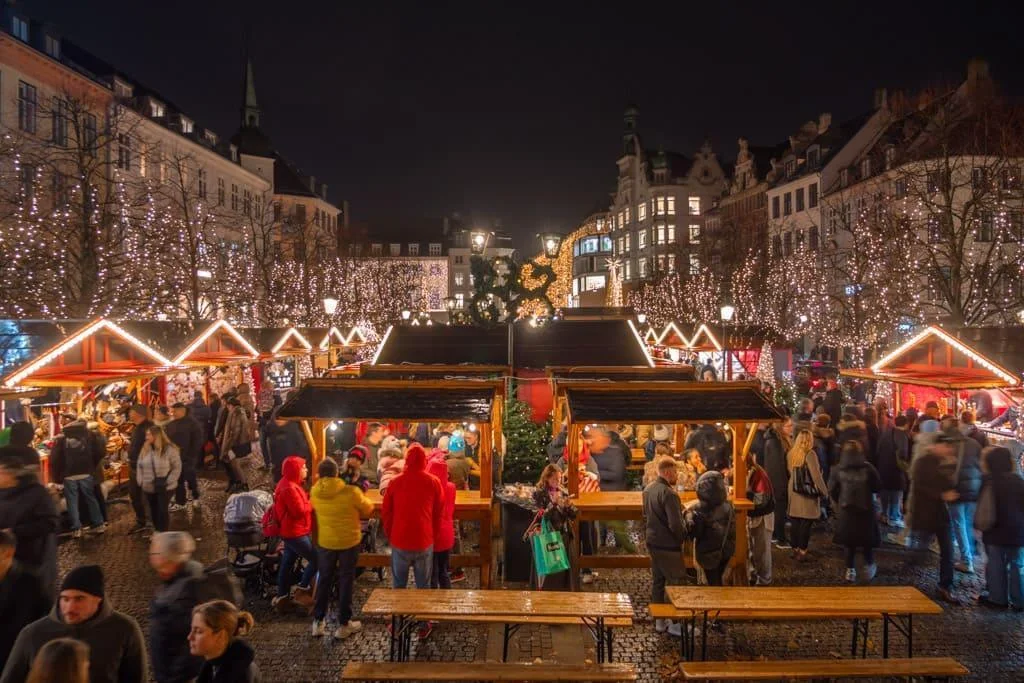
- Early to mid October: Denmark's autumn school holiday. Frilandsmuseet near Copenhagen, Djurs Sommerland (over 40,000 pumpkins, two haunted houses) and Aalborg Zoo all run October events, per The Local's roundup of Danish Halloween venues. Best for families.
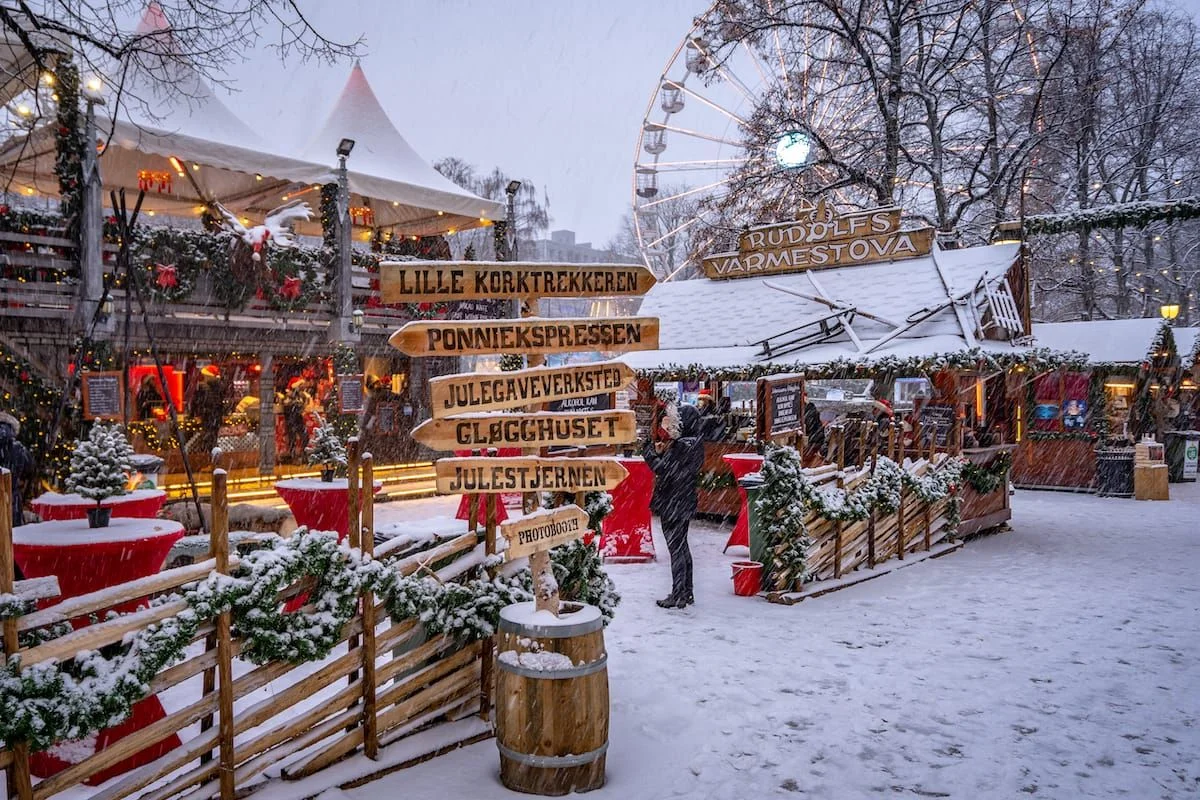
- 24-31 October: Peak. Shockholm parade, Gröna Lund's Halloween transformation, Liseberg in Gothenburg, Tusenfryd near Oslo, and Oslo's Norsk Folkemuseum on 31 October, 1 November, as listed in this guide to Halloween events in the Nordics.
- November to February: No events, but relentless darkness and empty castles. Atmospheric and cheap. Many smaller sites close.
Edge case: if you want solitude rather than pumpkins, go the second week of November. Akershus grounds in freezing fog with nobody else there beats any staged haunted house.
How Much Do Ghost Tours Cost in Norway, Sweden and Finland?
Budget £20,£45 per adult for a standard 90-minute guided ghost walk across Oslo, Stockholm and Helsinki. Castle experiences and overnight packages cost substantially more.
- City ghost walks (Oslo, Stockholm, Helsinki, Reykjavík): roughly NOK 300-450 / SEK 300-450 / €25-40. Usually 75-120 minutes, outdoors, English-language.
- Museum-run folklore tours: often cheaper. Helsinki's Seurasaari Ghost Tours, run by the National Museum of Finland, sit at the budget end but sell out fast.
- Castle Halloween events: €20-50 entry, more with dinner.
- Haunted castle hotel stays: from around £250 per night for a Halloween package at Dragsholm with dinner.
- Theme park Halloween (Tivoli, Liseberg, Gröna Lund, Tusenfryd): standard park admission, £20-45, no supplement.
Decision rule: if you're a couple doing two nights in Copenhagen, the Kronborg train plus a castle event costs less than a single Dragsholm dinner-stay. Spend on the overnight only if the experience is the holiday. For wider budgeting, my Nordic holiday planning guide for UK travellers breaks down typical costs.
Are There Family-Friendly Haunted Castle Visits in the Nordics?
Yes, most of them, in fact. Scandinavian Halloween skews family-oriented, and the genuinely frightening options are clearly labelled as such.
Safe for under-10s:
- Tivoli Gardens, Copenhagen (over 20,000 pumpkins; gentle theming outside the haunted houses)
- Frilandsmuseet's October workshops, magic shows and theatre
- Norsk Folkemuseum, Oslo, 31 October, 1 November
- Museum Nord's "Halloviking" in northern Norway, Halloween with a Viking twist, pitched at all ages
- Shockholm parade in Stockholm: free, street-level, daytime-to-evening
Better for teens and adults:
- Liseberg and Gröna Lund scare zones
- Kronborg's casemates in the dark
- Dragsholm's evening ghost tour
- Any paranormal investigation night
Practical note: Nordic "scare zones" use actors who will follow and corner you. If that's not wanted, stick to museum and open-air-museum events. Staff will tell you honestly which activities frighten children, just ask at the ticket desk.
What Paranormal Activity Has Been Documented at These Sites, and Which Castles Have the Most Evidence?
Honestly: very little that stands up. The documentation at Nordic haunted sites is overwhelmingly anecdotal, staff accounts, guest reports, and repeated legends, not controlled measurement.
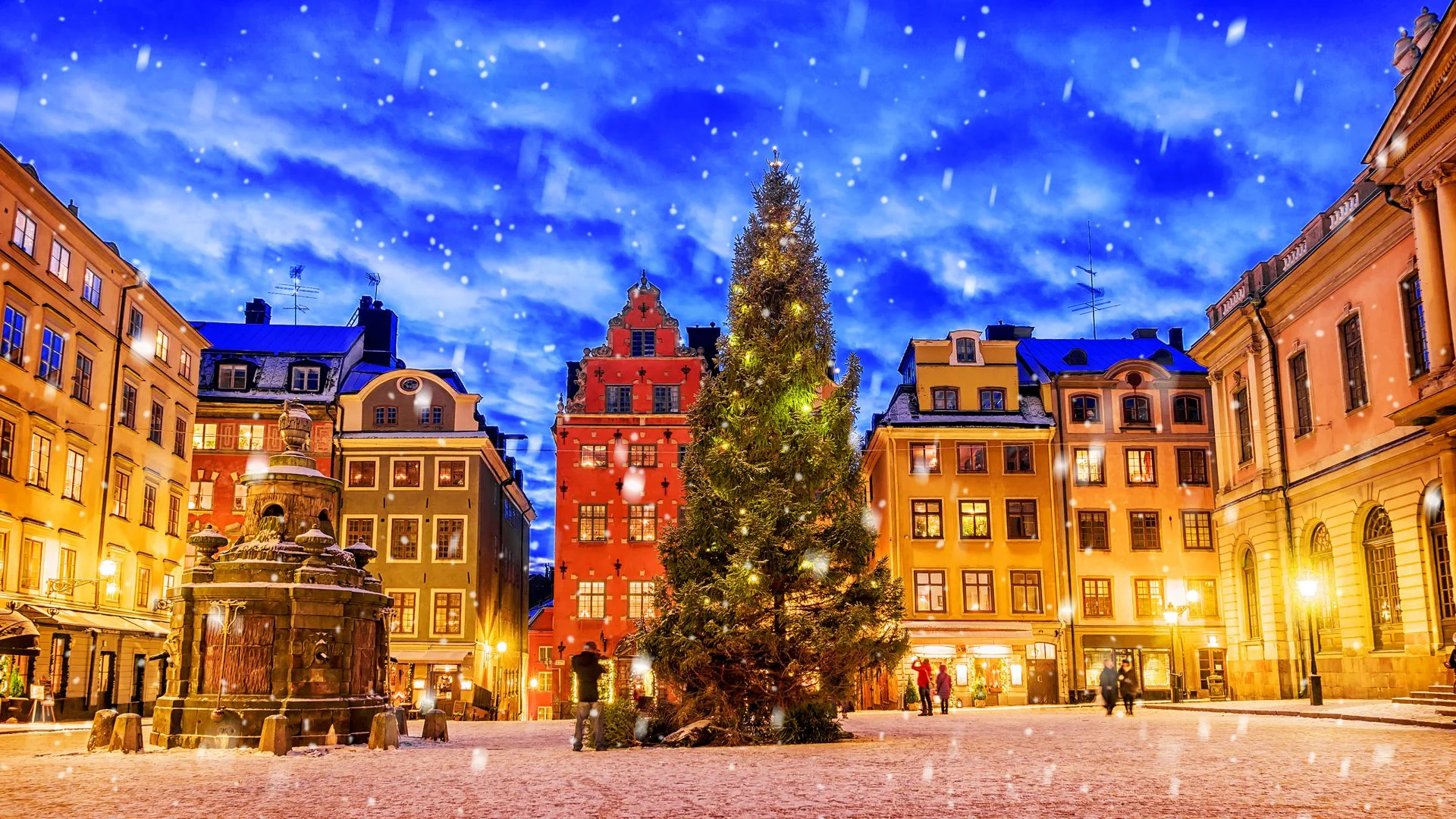
What is on the record:
- Dragsholm Slot: the most-reported site in Scandinavia, with long-running staff and guest accounts of a White Lady, a Grey Lady, and Bothwell. The human remains found in a castle wall are the closest thing to physical corroboration of any Nordic ghost story, but remains in old walls have plenty of non-supernatural explanations.
- Akershus Fortress: reports of footsteps and a dog-like figure in the dungeons. The verifiable part is the execution history, not the apparitions.
- Kronborg: the casemates produce strong sensory effects, cold, echo, total dark, that reliably generate experiences. No recorded anomalies of note.
Where to be sceptical: EVP recordings, orb photographs, and EMF spikes. Orbs are dust. EMF readings in stone buildings with modern wiring are meaningless without controls. Infrasound and low temperature are both well-documented triggers for feelings of dread.
My position: go for the history and the atmosphere, both of which are genuinely superb. Treat the ghosts as culture, not claims.
Can You Debunk Common Myths About Nordic Hauntings?
Yes, and doing so makes the real history more interesting, not less.
- Myth: "Halloween isn't Nordic." Partly true historically, but it's now firmly established. Tivoli, Liseberg, Gröna Lund and Tusenfryd have invested in it for years. What's genuinely indigenous is kekri in Finland and All Saints' candle-lighting across the region.
- Myth: "Viking burial mounds are haunted hotspots." Mounds are archaeological sites. Draugur stories attach to them in literature, not in any tour-able tradition.
- Myth: "The White Lady was definitely walled up alive." Unproven. Remains were reportedly found; the romance is later storytelling.
- Myth: "Icelandic elf beliefs mean Icelanders believe in ghosts." Survey headlines about elf belief are routinely misreported. Most answers sit at "won't rule it out," not "yes."
- Myth: "Haunted castles are only open at Halloween." Nearly all are year-round museums or hotels. Only the themed programming is seasonal.
What Are the Best Haunted Day Trips From Oslo, Stockholm and Reykjavík, and the Lesser-Known Spooky Places Tourists Miss?
Each capital has one obvious dark-history day trip and several that almost nobody books.
From Oslo:
- Akershus Fortress, in the city, free grounds, medieval dungeon and WWII execution site
- Tusenfryd's Halloween mazes, 20 minutes south
- Oslo's Emanuel Vigeland Mausoleum, a pitch-black, frescoed tomb with a 20-second echo. Deeply unsettling and almost always empty. Pair it with my Norway first-timer destination guide.
From Stockholm:
- Mälaren castle-hotels for ghost dinners (45-90 minutes by train)
- The Vasa Museum, a warship that drowned around 30 people in 1628, with their recovered skeletons displayed
- Skogskyrkogården, the UNESCO-listed woodland cemetery, in November fog. Add it to a 3-day Stockholm itinerary.
From Reykjavík:
- The Museum of Icelandic Sorcery and Witchcraft at Hólmavík (long drive, worth it)
- Þingvellir's Drekkingarhylur, the "drowning pool" where women convicted of infanticide were executed
- Any abandoned coastal farm on the Reykjanes peninsula
From Copenhagen and Helsinki: Kronborg's casemates, and Seurasaari island respectively. The Seurasaari Ghost Tours run by the National Museum of Finland explore Finnish death traditions in a wooden open-air museum, and are listed in the Finnish museums events directory. On 24 October 2026 Helsinki's Kalasatama hosts the Halloween Run over 5 km and 10 km. There's more in my long weekend in Helsinki itinerary.
Haunted Nordic Sites: Quick Comparison
Nordic Travel Table, planned with local insight
| Site | Country | From city | Fear level | Best for |
|---|---|---|---|---|
| Dragsholm Slot | Denmark | Copenhagen, 90 min | Medium | Overnight ghost stay |
| Kronborg Castle | Denmark | Copenhagen, 40 min | Medium | Casemates & Hamlet lore |
| Akershus Fortress | Norway | In Oslo | Medium | Real dark history, free |
| Seurasaari Ghost Tours | Finland | In Helsinki | Low | Folklore, all ages |
| Tivoli Halloween | Denmark | In Copenhagen | Low | Families, 20,000 pumpkins |
| Liseberg scare zones | Sweden | In Gothenburg | High | Teens and adults |
| Drekkingarhylur | Iceland | Reykjavík, 50 min | Low | Sombre history, no crowds |
Are Paranormal Investigation Tours Available at Nordic Castles, and What Should You Know Before Visiting?
Dedicated overnight paranormal investigations exist but are rare, small-scale and mostly run by local groups rather than castles themselves. Dragsholm is the main venue that markets ghost-themed stays directly.
Before you go:
- Check the tour language. Most capital-city tours run in English. Rural castle events often don't. Always confirm.
- Book early. October dates at Dragsholm, Kronborg events and Seurasaari tours sell out weeks ahead. I'd book by August.
- Dress for Nordic autumn, not British autumn. Castle cellars sit near freezing. Thermal base layer, waterproof outer, grippy boots.
- Expect early darkness. Sunset in Oslo in late October is around 17:00, which is free atmosphere.
- Respect the sites. Many are consecrated ground, war graves or active museums. No ouija boards, no trespassing after hours.
- Transport closes early. Rural Danish and Swedish branch lines thin out after 20:00. Check the last train before you book the late tour.
- Travel protection matters. Booking through a UK-accredited agent means your flights and accommodation are financially protected. Mine are, you can read how we protect your booking.
Conclusion
The dark side of the Nordics rewards travellers who care about history as much as scares. The castles are real, the archives are grim, and the long October nights do more atmospheric work than any fog machine. The ghosts themselves? Treat them as excellent stories attached to genuinely haunting places.
Your next steps:
- Pick a base: Copenhagen for castle density, Oslo for documented dark history, Helsinki for folklore, Gothenburg for scares.
- Lock in late-October dates and book castle events and overnight stays by August.
- Pair the spooky days with a city break, the autumn food, saunas and museums balance it out nicely.
- Not sure which country suits you? Start with my guide to which Nordic country to visit first.
I'm Mike, a British expat based in Helsinki, and I build tailor-made Nordic and Scandinavian holidays around your travel style, interests and pace, including multi-country Nordic escapes that go beyond the usual tourist highlights. If a haunted-castle autumn trip appeals, tell me what you have in mind and I'll handle the flights, transfers and tour bookings. Book with confidence, ATOL protected.
FAQ
Which is the most haunted castle in Scandinavia? Dragsholm Slot in Zealand, Denmark. It's an 800-year-old castle-hotel with reports of multiple resident spirits including a White Lady, and the Earl of Bothwell genuinely died imprisoned there in 1578.
Can you stay overnight in a haunted Nordic castle? Yes. Dragsholm Slot operates as a luxury hotel with Halloween packages listed from around 2,235 Danish kroner (roughly £250) including dinner. Several Swedish manor-house hotels offer ghost dinners in autumn.
How much is a ghost tour in Scandinavia? Typically £20,£45 per adult for a 75-120 minute guided walk in Oslo, Stockholm, Helsinki or Reykjavík. Museum-run folklore tours tend to cost less; castle events with dinner cost considerably more.
Do Nordic countries celebrate Halloween? Yes, increasingly. Tivoli Gardens, Liseberg, Gröna Lund and Tusenfryd all run major Halloween seasons, and Stockholm's Shockholm parade on 31 October is described as Scandinavia's largest.
Are haunted castle visits suitable for children? Most are. Tivoli, Frilandsmuseet, Norsk Folkemuseum and Helsinki's Seurasaari tours are family-oriented. Liseberg and Gröna Lund scare zones use actors who corner guests and suit teens and adults better.
What is a draugur? A draugur is an Icelandic revenant from saga tradition, a physical, corporeal undead being that attacks the living, rather than a transparent apparition. It's the defining figure of Icelandic ghost lore.
Is there real evidence of ghosts at these castles? No scientifically robust evidence exists at any Nordic site. Reports are anecdotal. The historical events behind the legends, including imprisonments and wartime executions, are well documented.
When should I book a Halloween trip to Scandinavia? By August for late-October travel. Castle events, ghost tours and themed hotel nights have small capacities and sell out, and Copenhagen and Stockholm hotel rates climb sharply in the final week of October.
What's the best haunted day trip from Copenhagen? Kronborg Castle in Helsingør, about 40 minutes by train. It's UNESCO-listed, hosts ghost-themed experiences at Halloween, and its dark underground casemates are genuinely unnerving.
Is October a good time to visit the Nordics generally? Yes for cities. Expect 5-12°C, rain, early sunsets and low crowds. Lapland in October is between seasons, see my month-by-month Lapland comparison if you're heading north instead.