
How to Plan a Scandinavian Multi-City Trip from the UK
Last updated: October 20, 2026
Quick Answer
To plan a Scandinavian multi-city trip from the UK, give yourself 10 to 14 nights, pick two or three cities rather than four, fly into one capital and home from another using a multi-city ticket, and connect the cities by train or overnight ferry rather than doubling back. Copenhagen, Stockholm and Oslo form the classic triangle; adding Helsinki works beautifully by overnight ferry from Stockholm. Budget roughly £1,400 to £2,500 per person for a fortnight in mid-season, excluding big-ticket excursions.
I'm Mike, a British expat living in Helsinki, and I plan these routes for UK travellers every week. What follows is the practical version, not the glossy one.
Key Takeaways
- Two or three cities in ten nights beats four cities in a rush. Travel days eat half a day each.
- Fly open-jaw: into Copenhagen, home from Oslo or Helsinki. A multi-city ticket is usually cheaper and safer than stitching one-ways together.
- Trains win between Copenhagen, Malmö, Gothenburg and Stockholm. Flights win for Stockholm to Oslo in winter and anything involving Tromsø or Lapland.
- The Stockholm, Helsinki overnight ferry doubles as transport and a night's accommodation.
- UK passport holders need no visa for short stays, but the EU's new entry rules mean biometrics at the border.
- May, early June and September give you light, lower prices and fewer crowds than July.
- Scandinavia costs more than southern Europe, mainly on alcohol, taxis and restaurant mains, not on transport or museums.
- Demand is up sharply: Nordic tourism has reached record highs as international demand surges, so central hotels sell out earlier than they used to.
What's the best order to visit Scandinavian cities?
Go south to north, west to east. The cleanest route from the UK is Copenhagen → Stockholm → Helsinki, or Copenhagen → Gothenburg → Oslo if fjords matter more to you than archipelagos. Both avoid backtracking and both end somewhere with good direct flights home.
Why this order works:
- Copenhagen is the softest landing. Shortest flight from the UK, flattest city, most English spoken, cheapest beer of the three Scandinavian capitals. It eases you in.
- Stockholm sits in the middle, geographically and in feel. Grander, more spread out, built on fourteen islands.
- Helsinki or Oslo closes the loop. Helsinki if you want saunas, islands and a less-visited capital. Oslo if you want mountains, fjords and the Bergen railway.
A decision rule I use with clients: choose Oslo as your finale if you want nature; choose Helsinki if you want culture, food and sauna. Both are right answers.
The common mistake is building a loop, Copenhagen out, Copenhagen back, because the flights look cheaper. You then spend a whole day returning to a city you've already seen. An open-jaw ticket almost always costs less once you count that lost day and the extra night's hotel.
I once had a couple insist on returning to Copenhagen "because it was £40 cheaper". That £40 cost them a day in the Oslofjord. We rebooked.
If you want the full day-by-day version, my 12-14 night Denmark, Sweden and Norway itinerary lays out exactly where the nights fall.
How many days do you need for a multi-city Scandinavia trip?
Ten nights is the realistic minimum for three cities. Fourteen is comfortable. Anything under a week and you should do two cities, not three.
| Trip Length | Cities | Suggested Split |
|---|---|---|
| 5–6 nights | 2 | Copenhagen 3, Stockholm 2–3 |
| 8–9 nights | 2–3 | Copenhagen 3, Stockholm 3, Oslo 2 |
| 10–12 nights | 3 | Copenhagen 3, Stockholm 3, Helsinki 3 (+ ferry night) |
| 14 nights | 3 + nature | Add fjords, archipelago or a Lapland extension |
Budget half a day for every intercity move, even a short flight. Checkout, transfer, journey, check-in, finding dinner, it goes fast. Three cities in ten nights means you lose roughly a day and a half to logistics.
Edge case: if you're adding a Northern Lights trip to Norway from the UK, treat the Arctic leg as a separate three to four nights. Don't try to bolt Tromsø onto a nine-night city trip.
Which Scandinavian cities should I visit first, and which shouldn't I skip?
First-timers should start with Copenhagen and Stockholm. They have the best UK flight links, the easiest public transport, and enough variety that you won't feel short-changed if bad weather lands.
The cities I'd argue against skipping, in order of priority:
- Copenhagen, design, Tivoli, Reffen street food, cycling culture. Non-negotiable on a first trip.
- Stockholm, Gamla Stan, Vasa Museum, the archipelago ferries. Give it three nights minimum.
- Helsinki, public saunas, Suomenlinna sea fortress, national parks within an hour. My home city, and still the most under-visited capital of the four.
- Oslo, the opera house, Vigeland, and the gateway to Bergen.
- Bergen and Gothenburg, brilliant, but second-trip material unless you have 14+ nights.
Cities you can honestly skip on trip one: Malmö (unless you're already crossing the Øresund), Aarhus, Turku. Lovely, but they don't earn their travel day against the capitals.
Not sure which country to lead with? My guide to where in Scandinavia or the Nordics to visit first breaks it down by travel style.
Is it cheaper to fly or take trains between Scandinavian cities?
Trains are cheaper and better for Copenhagen, Malmö,Gothenburg, Stockholm. Flying is cheaper and faster for Stockholm, Oslo and anything north of the Arctic Circle. The deciding factor is usually journey length, not ticket price.
Rough guide for the main legs:
- Copenhagen → Stockholm: around 5 hours by high-speed train, city centre to city centre. Advance fares often beat flights once you add airport transfers.
- Stockholm → Oslo: roughly 6 hours by train, or about 1 hour flying. I usually fly this one in winter.
- Stockholm → Helsinki: overnight ferry, around 16 hours including a night's sleep. Cabins start low and you arrive rested.
- Oslo → Bergen: take the train regardless of price. The scenery is the point.
Booking rule: Nordic rail operators release advance tickets around 90 days out and prices climb steadily. Book early for trains; low-cost flights are more volatile and sometimes drop late, but I wouldn't gamble a fixed itinerary on it.
Air links keep improving, too, SAS reports rising demand for Scandinavian destinations as travellers add new types of trips, which has meant more routes but also busier peak-season flights.
How do you get between Scandinavian cities most cheaply?
The cheapest combination is usually advance-purchase trains for short hops, an overnight ferry for Stockholm, Helsinki, and one low-cost flight for the single longest leg. Coaches are cheaper still but cost you hours.
Cheapest-first ranking:
- Overnight ferry, transport plus accommodation in one fare. Best value move in the whole region.
- Advance regional trains, booked 1-3 months ahead, often very low.
- Long-distance coach (FlixBus, Vy Express), cheapest headline price, longest journey.
- Low-cost flights, cheap on paper, then baggage, transfers and early starts add up.
- Car hire, only worth it for fjords or lakeland, never for city-to-city.
Hidden costs that catch people out: airport transfer trains (Arlanda Express is notably pricey), city transport day passes, and luggage fees on budget carriers. Factor £25,£40 per city for local transport.
How much does a Scandinavian multi-city trip cost from the UK?
Budget around £1,400,£1,800 per person for ten nights in shoulder season, and £2,000,£2,500 for a fortnight in summer, based on mid-range three and four-star hotels, trains between cities and a mix of self-catering and restaurant meals. These are planning estimates from current UK-market pricing, not fixed quotes.
Indicative per-person breakdown for a 10-night, three-city trip:
| Item | Shoulder season | Peak summer |
|---|---|---|
| Open-jaw flights from UK | £150,£260 | £250,£400 |
| Hotels (9 nights, mid-range) | £750,£1,000 | £1,100,£1,500 |
| Intercity transport | £120,£200 | £150,£250 |
| Food and drink | £300,£450 | £350,£500 |
| Attractions and passes | £80,£150 | £80,£150 |
Entry-level packaged city breaks exist at lower price points, Expedia UK lists Scandinavia city break packages with wide variation by date, but the spread between a January midweek and a July weekend is enormous.
Is Scandinavia more expensive than other European destinations, and can you do it on a budget?
Yes, it's more expensive than Spain, Portugal or Central Europe, but the gap is narrower than its reputation suggests, and it's concentrated in a few categories. Museums, public transport and supermarket food are reasonable. Alcohol, taxis and sit-down dinners are where the damage happens.
Yes, you can do it on a budget. What actually works:
- Eat your main meal at lunch. Nordic lunch deals are a genuine bargain, often half the evening price.
- Use supermarkets properly. Rye bread, cured fish, berries, cheese, a brilliant picnic for a few pounds.
- Buy alcohol in the state shops (Systembolaget, Vinmonopolet, Alko) rather than bars.
- City cards pay for themselves if you'll visit three or more paid attractions in 48 hours.
- Public saunas and harbour baths cost a fraction of spa hotels and are far more authentic.
- Walk and use ferries. Stockholm and Helsinki commuter ferries are included in standard transit passes.
What's not negotiable: hotel rates in central districts. Demand is outpacing new supply, with Scandinavian destinations recording record tourism years and the "coolcation" trend pushing Northern Europe up the wish list. Book accommodation first, everything else second.
What's the best time to visit Scandinavia from the UK?
Late May to mid-June and all of September are the sweet spots: long daylight, mild weather, lower prices and far fewer crowds than July. July and early August are peak in every sense.
Season by season:
- May, June: lengthening days, blossom, cheaper than July, everything open. My favourite window.
- July, August: warmest, busiest, dearest. Swedish summer tourism has been breaking records, and Scandinavian summer travel is growing as heat reshapes European holidays.
- September, early October: autumn colour, crisp air, good hotel rates, locals back from holiday.
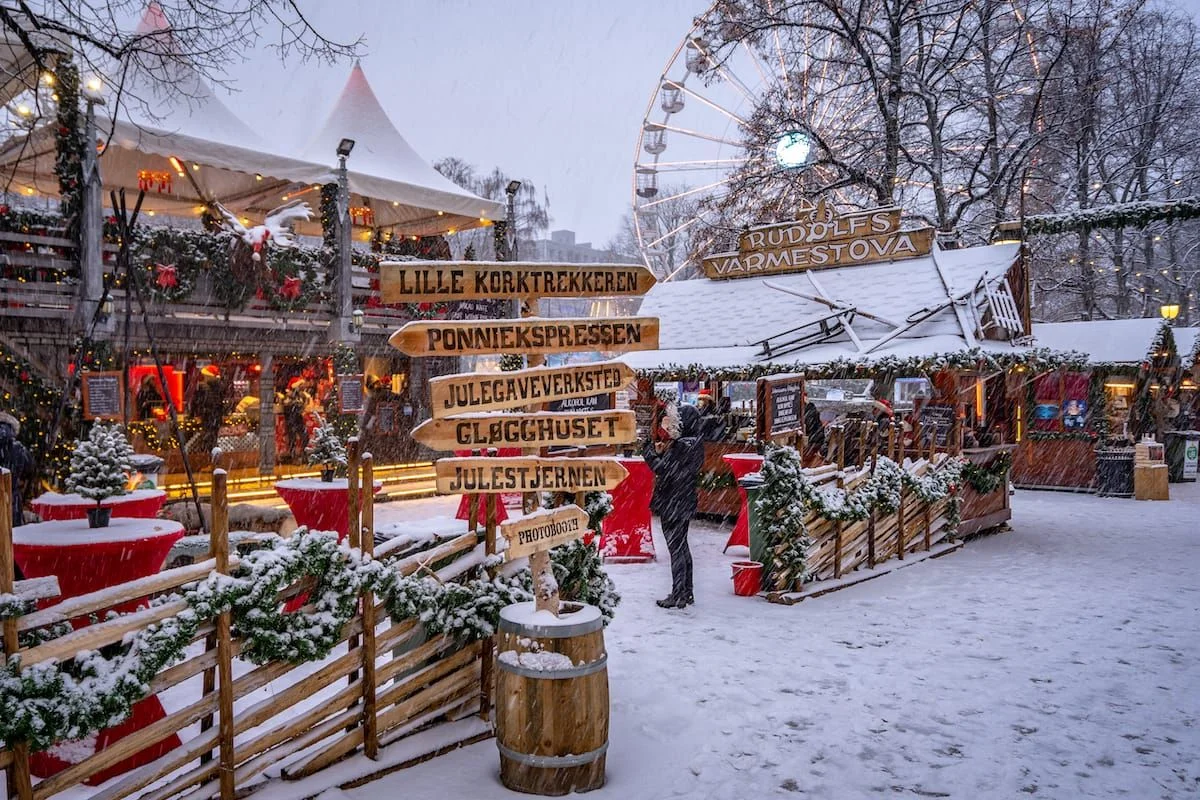
- November, March: short days, Christmas markets, Northern Lights in the north. Cities feel cosy rather than bleak if you dress properly.
Avoid mid-July for Stockholm and Copenhagen restaurant bookings, many kitchens close for staff holidays. Also note Midsummer (late June) shuts much of Sweden and Finland for a long weekend.
Winter traveller? Pair your cities with the Arctic using my guide to how long you really need in Lapland.
Do I need a visa for Scandinavia as a UK citizen?
No. British passport holders can visit Denmark, Sweden, Norway, Finland and Iceland without a visa for up to 90 days in any 180-day period. Your passport must be issued within the last 10 years and valid for at least three months beyond your intended departure.
Practical points for 2026 travel:
- All five countries are in the Schengen Area, so your 90 days count across the whole zone combined, not per country.
- The EU's Entry/Exit System means fingerprints and a facial scan at your first Schengen border. Allow extra time at Copenhagen or Stockholm arrivals.
- ETIAS, the pre-travel authorisation, is being phased in. Check gov.uk's Foreign travel advice pages before you book.
- Carry proof of onward travel and accommodation. Rarely asked for, occasionally is.
- Travel insurance with a GHIC card is the sensible combination. The GHIC alone doesn't cover repatriation.
Checking the UK government's Foreign travel advice page for each country is a five-minute job that saves a lot of grief. I do it for every client itinerary.
Should I book multi-city flights or one-way tickets separately?
Book a single multi-city (open-jaw) ticket wherever possible. It's usually cheaper than two one-ways, and crucially it keeps you on one contract, so if leg one is delayed, the airline is responsible for rerouting you.

When separate tickets make sense:
- You're mixing a legacy carrier for the long leg with a low-cost carrier for an internal hop they don't codeshare.
- The internal leg is a ferry or train, which can't be in the flight ticket anyway.
- The price gap is large and you've left a buffer night between legs.
Decision rule: if two separate tickets save less than £60 per person, take the multi-city ticket. The protection is worth more than the saving.
This is also where booking through a UK-accredited agent earns its keep. When your flights, hotels and transfers sit inside one package, you get ATOL protection and a single number to call when something slips. I build these as protected packages, so you can book with confidence rather than juggling six confirmation emails from six suppliers.
What are the most common mistakes people make planning this trip?
The biggest mistake is cramming four capitals into a week. Second biggest is booking accommodation last.
The list I see most often:
- Too many cities, too few nights. Three nights per city is the floor.
- Returning to the arrival airport instead of flying open-jaw.
- Leaving hotels until last, central rooms sell out months ahead now.
- Underestimating travel days. A "quick" flight is still five hours door to door.
- Ignoring Sunday closures in Norway and quiet Mondays for museums.
- Packing for the wrong weather. Layers, waterproof shoes, and a proper coat even in June.
- No buffer before the flight home. Never schedule an intercity move on departure day.
- Assuming cash works. Scandinavia is close to cashless; some places refuse notes entirely.
- Booking a July trip in May. Summer demand keeps climbing, with several travel trends fuelling Scandinavia's tourism boom.
- Skipping travel insurance because "it's only Europe".
How do you avoid tourist traps in Scandinavian cities?
Walk fifteen minutes out from the main square and prices drop while quality rises. The trap zones are tiny and predictable: Nyhavn in Copenhagen, Gamla Stan's main drag in Stockholm, Karl Johans gate in Oslo, the Market Square souvenir stalls in Helsinki.
What I tell clients:
- Eat where the queue is locals in work clothes, not where there's a laminated menu in six languages.
- Use the market halls. Torvehallerne in Copenhagen, Östermalms Saluhall in Stockholm, Hakaniemi in Helsinki. Same ingredients, honest prices.
- Take the commuter ferry, not the sightseeing cruise. Same water, a tenth of the cost.
- Go to a public sauna, not a hotel spa. Löyly in Helsinki, Allas Sea Pool, or the neighbourhood saunas locals actually use, detailed in my Scandinavian and Finnish sauna and detox trip guide.
- Ask what's in season. Crayfish in August, chanterelles in September, berries in July.
This is the part that's genuinely hard to research from the UK, and it's the reason I built Nordic Travel Table around local insight. I live here, eat here, and know which places have quietly gone downhill.
Putting Your Scandinavian Multi-City Trip Together
Here's the sequence I'd follow if you're starting today:
- Fix your dates and length. Ten nights minimum for three cities.
- Choose your route. Copenhagen → Stockholm → Helsinki, or Copenhagen → Gothenburg → Oslo.
- Price an open-jaw flight into city one and home from city three.
- Book accommodation immediately, it's the scarcest element.
- Lock in trains and ferries as soon as advance fares open.
- Add two or three handpicked experiences per city, not ten.
- Check passport validity and Foreign travel advice.
- Arrange insurance and confirm your financial protection.
If that feels like a lot of moving parts, it is, and it's exactly what I do for UK travellers every day. I build tailor-made Nordic and Scandinavian holidays, planned with local insight: flights, hotels, transfers, trains, ferries and handpicked Nordic experiences matched to your travel style, interests and pace. Everything sits inside one protected booking, so you're covered.
Tell me your dates and what you want out of the trip, and I'll come back with a route that works. Start with my custom Nordic trip planning service, or browse the sample Scandinavian and Nordic itineraries for ideas first.
How many nights do you need?
Planning estimate only. Assumes half a day lost per intercity move. Nordic Travel Table.FAQ
Is Scandinavia walkable for a multi-city trip? Yes. Copenhagen, Stockholm, Oslo and Helsinki all have compact centres you can cross on foot in 30 to 40 minutes, backed by excellent trams, metros and commuter ferries.
Can you visit Copenhagen, Stockholm and Oslo in one week? You can, but I'd advise against it. Seven nights means two nights per city plus two travel days. Two cities in a week is far more enjoyable.
Is Helsinki part of Scandinavia? Strictly, Scandinavia means Denmark, Norway and Sweden. Finland is Nordic rather than Scandinavian, but it connects easily by overnight ferry and most UK travellers group them together.
Do I need to speak any Scandinavian languages? No. English is spoken to a very high standard across all the Nordic capitals, including in restaurants, transport and shops.
What currency do I need? Denmark uses the krone, Sweden and Norway their own kronor and kroner, Finland the euro. Cards and phone payments work almost everywhere, so carry little or no cash.
Is an overnight ferry between Stockholm and Helsinki worth it? Yes, for most travellers. It saves a hotel night, covers a long distance while you sleep, and the Åland archipelago sunrise is genuinely lovely.
When should I book a summer multi-city trip? For July and August travel, book accommodation six to nine months ahead. Demand has been climbing and interest in Scandinavia keeps driving growth, with central hotels going first.
Are escorted tours or cruises a better option? They remove the logistics but cost more per night and fix your pace. If you want flexibility with the hassle removed, a tailor-made protected package usually gives better value.
Can I see the Northern Lights on a city trip? Not reliably from Copenhagen, Stockholm, Oslo or Helsinki. You need to go north, Tromsø, Rovaniemi or Abisko, between late September and late March.
Is one hotel per city enough, or should I move around? One well-located hotel per city. Moving within a city wastes time and adds nothing on a trip of this length.