
Stockholm in 3 Days: A First-Time Visitor's Itinerary
Quick Answer
Three days is enough to see the essential side of Stockholm if you split your time by island: Gamla Stan and the Royal Palace on day one, Djurgården's museums on day two, and either the archipelago or Drottningholm Palace on day three. Stick to one or two museums a day, use the SL transport card for ferries and metro rides, and you'll cover the city's history, culture, and water without feeling rushed.
Key Takeaways
- Three days works for Stockholm if you limit yourself to one flagship museum per day and accept you won't see everything.
- Gamla Stan (old town) and Norrmalm (modern centre) serve completely different purposes: one is history, the other is shopping, transport hubs, and City Hall.
- Book Vasa Museum tickets and canal boat tours in advance during peak summer months.
- Stockholm is one of the easiest Nordic capitals to navigate without a car; the metro, buses, and ferries run on one SL card.
- Summer suits archipelago trips and long daylight sightseeing; winter suits museum days, cosy cafes, and quieter queues.
- A mid-range 3-day trip for one person typically runs from budget hostel stays to comfortable four-star hotels, depending on how many paid attractions you add.
- Families do well pairing Skansen and the Junibacken storybook museum with at least one outdoor, unstructured afternoon.
- The single day-trip most first-timers regret skipping is a short archipelago ferry, even a two-hour round trip to Fjäderholmarna.
Can You See Stockholm in 3 Days or Do You Need More Time?
Three days covers Stockholm's core sights comfortably, but it does not stretch to every museum, every island, and a slow pace. If your priority is Gamla Stan, one or two Djurgården museums, Södermalm, and a short archipelago trip, three days works well without feeling like a checklist exercise.
Several current itineraries built specifically for first-timers converge on this same structure, because Stockholm's attractions cluster naturally by island rather than sprawling across the city. If you're the type of traveller who likes to linger over fika and skip the queue-heavy attractions, you could stretch this to four or five days. If you're happy moving briskly and pre-booking your must-sees, three days is genuinely sufficient, a point that recent expert-guided itineraries reinforce by recommending no more than one or two museums per day, clustered by island, with at least one boat trip built in.
Decision rule: choose three days if you're happy with one museum a day plus outdoor time. Choose four or more if you want to add Drottningholm Palace, a full-day archipelago cruise, and a slower pace without cutting Södermalm short.
Best Neighbourhoods to Stay in Stockholm for 3 Days
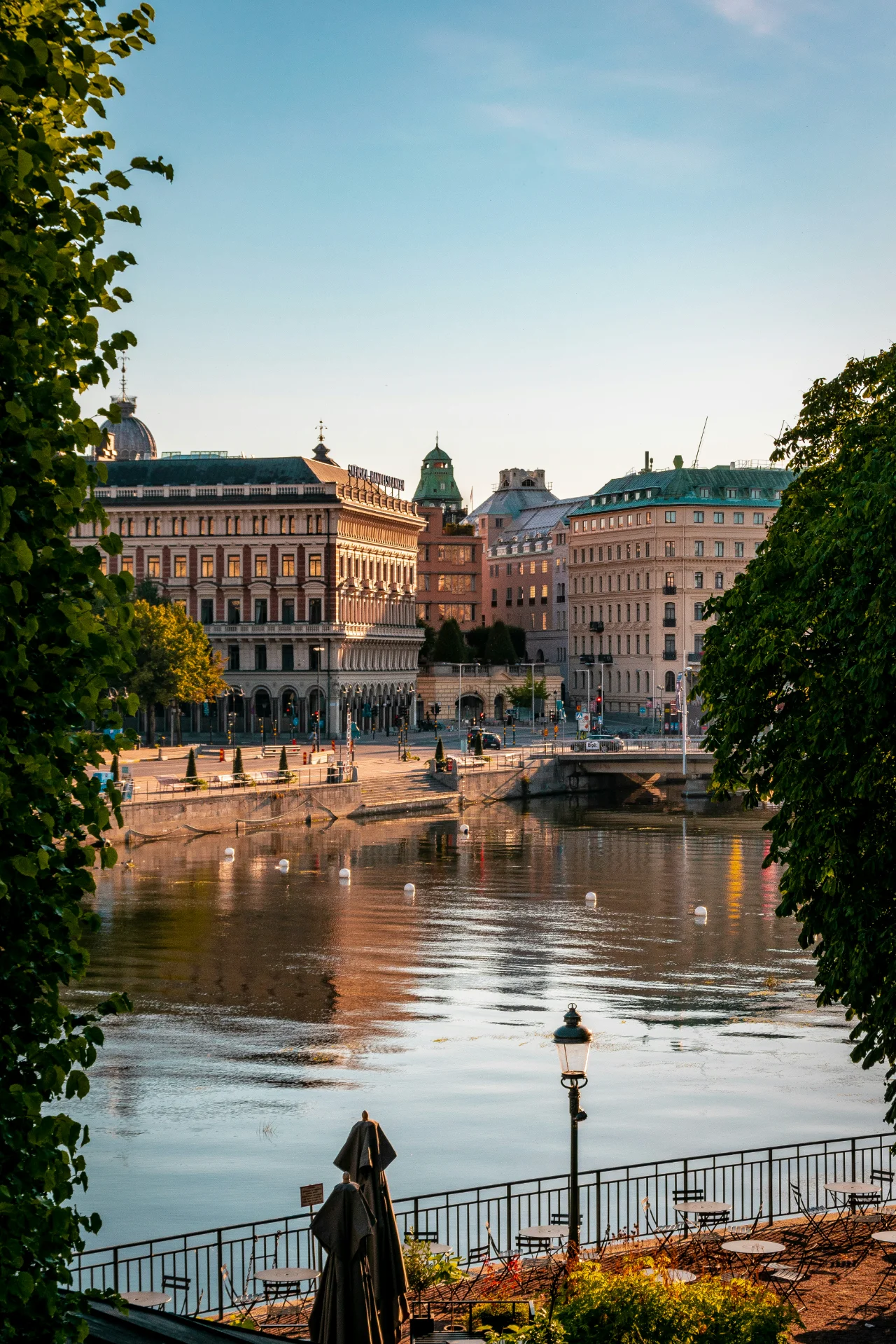
Norrmalm and Gamla Stan are the two best base options for a first visit, because both sit within walking distance of the metro, the harbour, and most sightseeing. Norrmalm offers more modern hotel choices near Central Station, while Gamla Stan puts you inside the postcard streets themselves.
- Norrmalm: best for convenience, shopping, and easy access to trains and airport buses. Choose this if you want a practical base with plenty of hotel options at different price points.
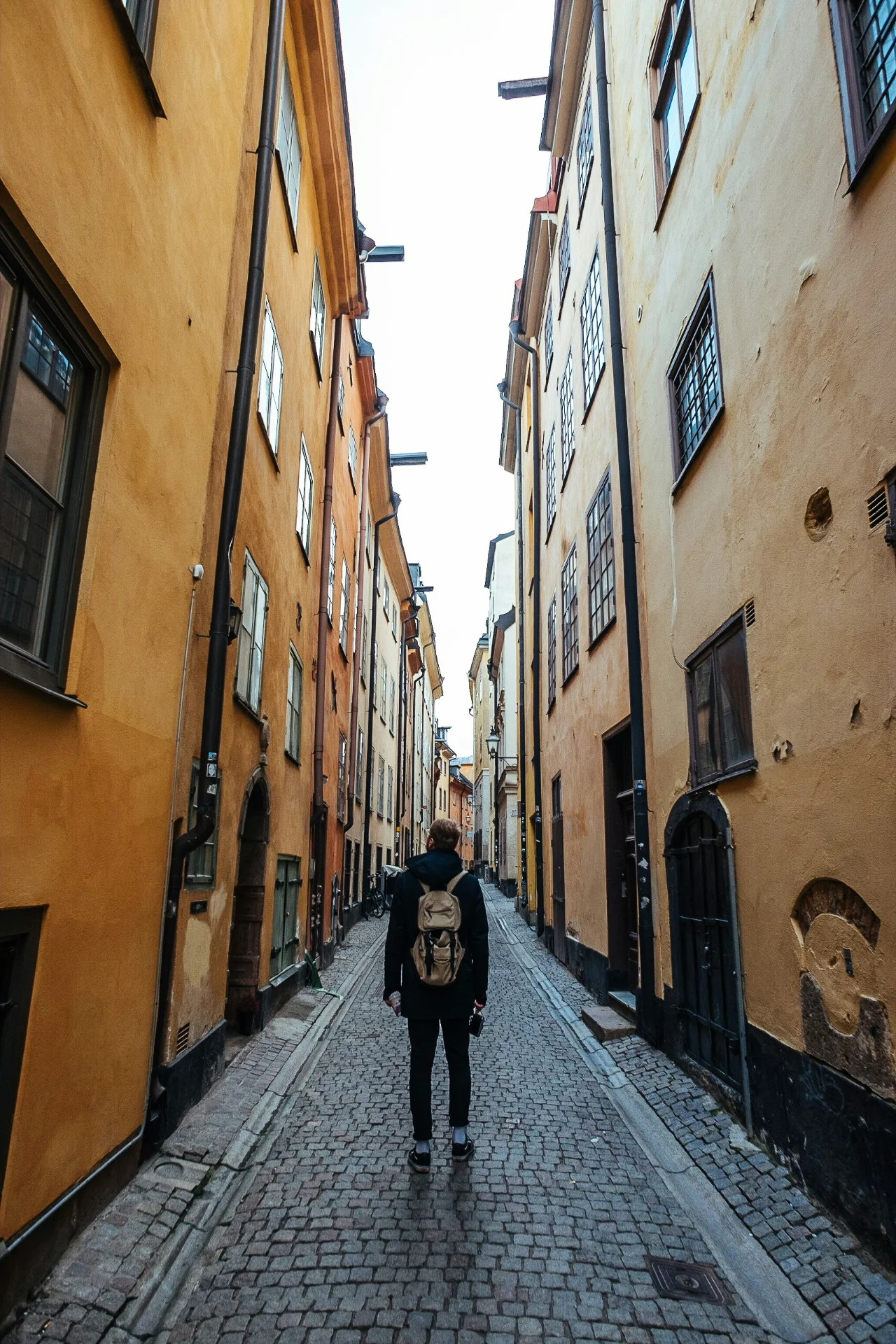
- Gamla Stan: best for atmosphere. Cobbled lanes, the Royal Palace, and Stockholm Cathedral are on your doorstep, though rooms tend to be smaller and pricier.
- Södermalm: best for a more local feel, with independent cafes, viewpoints, and a younger crowd. Slightly further from Norrmalm's transport hub but well served by the metro.
Common mistake: booking a hotel on the outskirts near a shopping retail park to save money, then losing an hour a day on transfers. Stockholm's compact centre rewards staying close to the water.
What's the Difference Between Gamla Stan and Norrmalm Stockholm?
Gamla Stan is Stockholm's medieval old town, built on a small island of narrow lanes, the Royal Palace, and Stockholm Cathedral, while Norrmalm is the modern commercial centre, home to Central Station, department stores, and City Hall. First-time visitors often assume they're one continuous district; they are not, and they sit either side of the water with a short bridge and metro ride between them.
Think of Gamla Stan as the postcard version of Stockholm and Norrmalm as the working city. You'll likely spend your first sightseeing hours in Gamla Stan and your practical hours (arriving, departing, shopping, catching trains) in Norrmalm. Several itineraries recommend starting in Norrmalm at Stockholm City Hall before crossing into Gamla Stan, as this order helps first-timers understand the city's relationship with water before diving into the old town's dense streets, an approach detailed in step-by-step walking routes through Stortorget and the Royal Palace area.
Stockholm in 3 Days: A Day-by-Day First-Timer Itinerary
The classic first-time pattern is Gamla Stan on day one, Djurgården's museums on day two, and Södermalm plus an archipelago or Drottningholm excursion on day three. This structure appears consistently across current Stockholm travel planning because it matches how the city's attractions are physically grouped by island.
Day 1: Gamla Stan and the Royal Palace Start with the Royal Palace, Stortorget square, and Stockholm Cathedral, then take a canal boat cruise to see the city from the water. Many guides suggest beginning at Stockholm City Hall and Riddarholmen before entering the old town proper, giving you context on the city's water-bound layout.
Day 2: Djurgården's museums Cross to Djurgården for the Vasa Museum, home to a 17th-century warship, then choose one more stop: the ABBA Museum or the open-air Skansen museum. Book Vasa Museum tickets ahead, since timed entry is now standard practice for busy periods, a booking tip echoed across several 2026 Stockholm itinerary guides.
Day 3: Södermalm and the archipelago Spend the morning in Södermalm for viewpoints like Monteliusvägen and a browse through Fotografiska, then catch an afternoon ferry to Vaxholm or Fjäderholmarna. This mix of history, museums, and water is described as the "ideal classic first-time experience" in a dedicated 3-day Stockholm guide.
If you're weaving Stockholm into a wider Nordic trip, our 8-Day Sweden Itinerary covering Stockholm and Gothenburg shows how these three days extend naturally into a longer break.
How Do I Get Around Stockholm Without a Car?
Stockholm's metro, buses, and ferries run on a single SL transport card, making a car entirely unnecessary for a 3-day visit. The city centre is also genuinely walkable, so most first-timers mix short metro hops with plenty of walking between Gamla Stan, Norrmalm, and Djurgården.
- Metro (Tunnelbana): fast between neighbourhoods and worth riding partly for the artwork in stations like Kungsträdgården and T-Centralen.
- Ferries: covered by the standard SL pass for short hops to Djurgården and some archipelago islands, a detail several guides highlight as a money-saver most tourists miss.
- Walking: Gamla Stan to Norrmalm takes roughly 15 minutes on foot; Södermalm to Gamla Stan is a similar walk over the bridge.
Choose the metro if you're short on time or the weather turns. Choose walking if you want to see the water, the bridges, and the metro art without rushing.
Stockholm 3 Days: Summer vs Winter, What's Better?
Summer suits archipelago trips, long daylight, and outdoor dining, while winter suits museum-heavy days, quieter queues, and a cosier pace. Neither season rules out the classic 3-day structure; it simply shifts which day feels most rewarding.
| Factor | Summer | Winter |
|---|---|---|
| Daylight | Very long, ideal for evening walks | Short, plan sightseeing earlier |
| Archipelago ferries | Full schedule, warm deck time | Reduced schedule, colder crossings |
| Museum queues | Busier, book ahead | Quieter, easier walk-ins |
| Outdoor dining | Plentiful in Södermalm and Gamla Stan | Limited, more café culture indoors |
Decision rule: pick summer if the archipelago is your priority. Pick winter if you'd rather spend unhurried time inside museums and cafes without crowds.
How Much Does a 3-Day Trip to Stockholm Cost?
A 3-day Stockholm trip can run lean on hostel beds and free sights, or comfortably higher with four-star hotels and multiple paid museums; the biggest cost swing comes from accommodation choice and how many attractions you pre-book. Budget travellers lean on free walking routes through Gamla Stan and Södermalm, self-catered breakfasts, and the SL travel card, while a more comfortable trip adds guided tours, sit-down dinners, and taxis on arrival.
- Budget approach: hostel or budget hotel, self-guided sightseeing, one paid museum (usually Vasa), public transport throughout.
- Comfortable/luxury approach: four-star hotel near Norrmalm or Gamla Stan, guided canal cruise, two or more museums, restaurant dinners, and a private or small-group archipelago excursion.
Common mistake: underestimating museum entry costs when planning two or three attractions a day. Spacing museums to one a day, as most current itineraries recommend, keeps both your budget and your energy in check.
Stockholm 3-Day Trip With Kids: What to Do
Families get the most out of three days by pairing Djurgården's child-friendly attractions with unstructured outdoor time rather than a packed sightseeing list. Skansen's open-air zoo and historic village setting, plus the Junibacken storybook museum, sit well alongside the ABBA Museum's interactive exhibits.
- Day 1: a gentle Gamla Stan walk, changing-of-the-guard ceremony at the Royal Palace if timings allow, ice cream break.
- Day 2: Skansen in the morning, Junibacken or ABBA Museum in the afternoon.
- Day 3: a short archipelago ferry, which most children enjoy as much as any museum.
Edge case: with toddlers or very young children, swap the canal boat cruise for a shorter ferry hop, since longer cruises can test attention spans.
If a Nordic city break with the family sounds appealing beyond Sweden, our 3-day guide to a long weekend in Helsinki follows a similarly manageable, family-friendly pace.
Common Mistakes First-Time Visitors Make in Stockholm
The most common mistake is trying to fit four islands' worth of sightseeing into three days without pre-booking anything, which leads to long queues eating into your limited time. A close second is skipping the archipelago entirely, assuming it's only for longer trips.
- Not booking Vasa Museum tickets or canal tours ahead during summer.
- Basing yourself far from the centre to save on accommodation, then losing time on transfers.
- Cramming three museums into one day instead of spreading them across the trip.
- Forgetting that many attractions close earlier than UK visitors expect, especially outside peak summer.
Is 3 Days Enough to See Stockholm's Museums?
Three days is enough to see two or three of Stockholm's flagship museums properly, but not the full list, which runs into dozens of options across Djurgården and the city centre. Prioritising the Vasa Museum, plus one of ABBA Museum, Skansen, or Fotografiska, covers the most talked-about experiences without museum fatigue.
Quick example: a well-paced day two might run Vasa Museum in the morning, lunch in Djurgården, then Skansen in the afternoon, leaving day three free for Södermalm's Fotografiska instead of stacking a third museum into day two.
Stockholm Archipelago Day Trip: Worth It for a 3-Day Visit?
Yes, a short archipelago ferry is worth building into even a tight 3-day visit, since it shows a completely different side of Stockholm that the old town and museums don't capture. A half-day trip to Fjäderholmarna or a fuller day to Vaxholm both work within an SL travel pass or a separate ferry ticket, depending on the operator.
Multiple current guides frame this as one of the most efficient high-impact additions to a first visit, since it requires no extra hotel night and delivers water, forest, and small-island charm within a few hours of the city centre, as outlined in a Stockholm tourism-focused 3-day itinerary. If archipelago and fjord scenery is what draws you to Scandinavia in the first place, it's worth comparing against Norway's fjord country in our 9-day Norway itinerary covering Oslo, Flåm, and Bergen.
What Do I Absolutely Not Miss in Stockholm?
The Vasa Museum, Gamla Stan's old town streets, and at least one boat trip (canal or archipelago) are the three elements first-timers consistently rate as unmissable. Everything else on a 3-day trip is genuinely optional depending on your interests.
- Vasa Museum: a near-intact 17th-century warship, unlike anything else in the Nordic region.
- Gamla Stan: the visual heart of Stockholm and the reason most people book the trip.
- A boat trip: whether a short canal cruise or an archipelago ferry, seeing Stockholm from the water changes how the whole city clicks into place.
Frequently Asked Questions
Is Stockholm walkable for a 3-day trip? Yes. Gamla Stan, Norrmalm, and Södermalm are all within a 15 to 20 minute walk of each other, with the metro filling in longer hops to Djurgården.
Do I need to pre-book the Vasa Museum? It's strongly recommended, especially in summer, since timed entry slots fill up during peak visitor months.
Is three days enough for Gamla Stan alone? No, half a day is plenty for Gamla Stan itself; the remaining time on day one is usually spent on a canal cruise or nearby City Hall.
Should I stay in Gamla Stan or Norrmalm? Norrmalm suits practicality and transport links; Gamla Stan suits atmosphere and history. Both work for a 3-day trip.
Is the SL travel card worth it for three days? Yes, it covers metro, bus, and several ferry routes, which adds up quickly if you're visiting Djurgården and the archipelago separately.
Can I do Stockholm and Drottningholm Palace in three days? Yes, Drottningholm Palace works well as a half-day alternative to a full archipelago trip on day three, particularly if the weather turns.
Is winter a bad time for a first Stockholm visit? No, winter simply shifts the balance toward museums and indoor culture rather than boat trips and outdoor archipelago time.
Conclusion
Stockholm rewards a first-time visitor who plans by island rather than by a long checklist. Three focused days, one flagship attraction at a time, cover the Royal Palace, the Vasa Museum, and at least one stretch of open water, giving you a genuine feel for both the historic city and its everyday rhythm.
I'm Mike, based in Helsinki, and I plan tailor-made Nordic and Scandinavian holidays for UK travellers who want their time in cities like Stockholm planned with local insight rather than a generic template. Whether you're after a simple Stockholm break or want to combine it into wider multi-country Nordic escapes, I build each itinerary around your travel style, interests, and pace, drawing on local knowledge from Finland and across the region. If you're comparing Stockholm against Helsinki city breaks and Lapland adventures, or want handpicked Nordic experiences that go beyond the usual tourist highlights, get in touch and I'll help you book with confidence, with practical travel arrangements sorted from flights to ferries.
Plan Your Stockholm in 3 Days With Local Nordic Insight
I help UK travellers put together tailor-made Nordic and Scandinavian holidays, from a simple 3-day Stockholm break to a multi-country escape across Sweden, Finland, and Norway. Every itinerary is planned around your pace and interests, with practical travel arrangements handled for you.