
Destination Guide: Iceland
Wild landscapes, warm waters & room to breathe
1: Country Overview
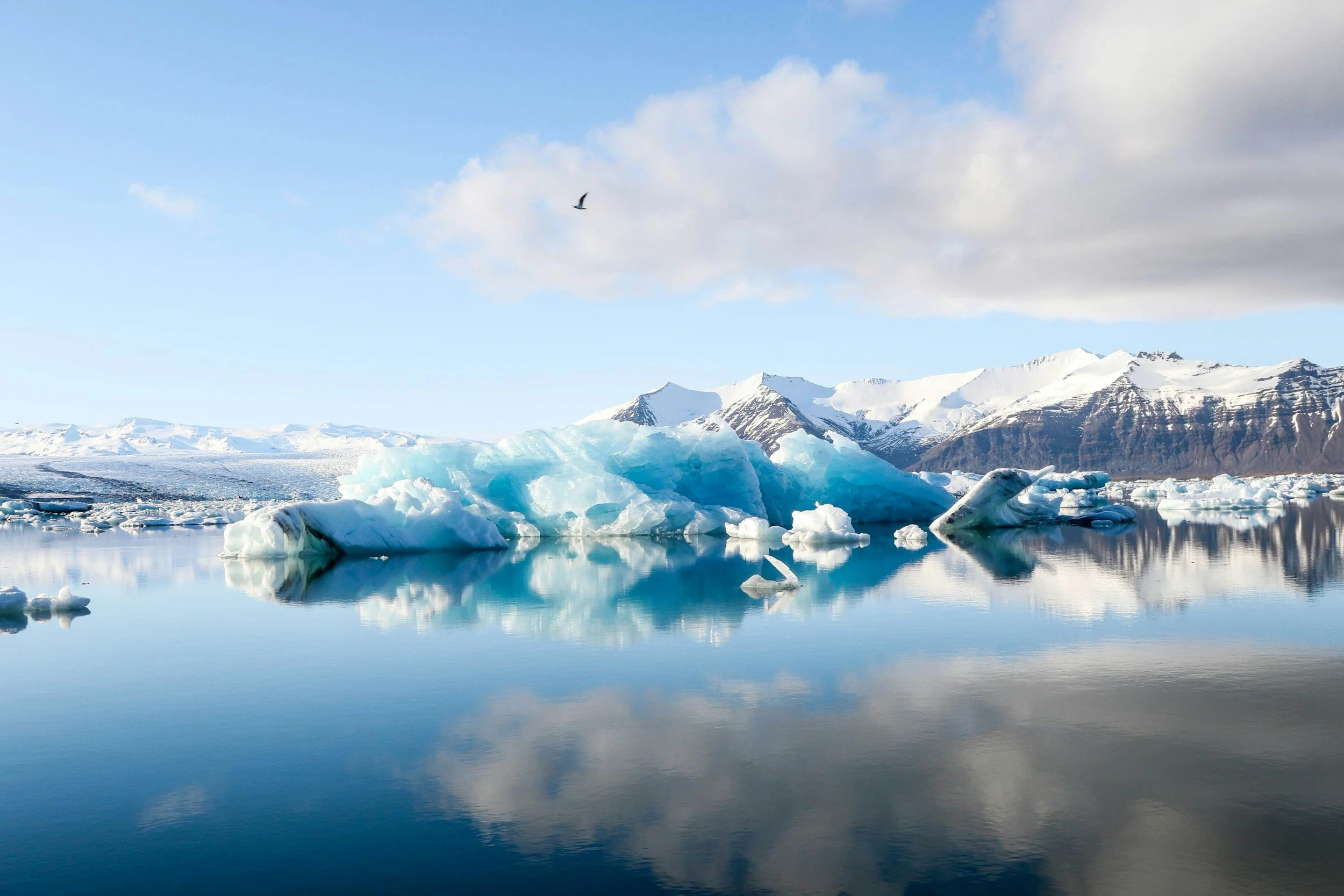
Iceland is the kind of place that makes everyday life feel very far away. Think thundering waterfalls, black-sand beaches, steaming geothermal pools, glaciers and vast volcanic landscapes — all wrapped up in a country that feels wonderfully easy to explore.
Whether your perfect Iceland adventure means hiking across dramatic terrain, watching the Northern Lights or simply soaking in warm water beneath an enormous sky, there is plenty of freedom to experience Iceland at your own pace.
2: Quick Facts at a Glance
Language: Icelandic. English is widely spoken, particularly in visitor areas.
Currency: Icelandic króna (ISK).
Time zone: GMT/UTC all year. Iceland does not change its clocks, so it is the same time as the UK in winter and one hour behind during British Summer Time.
Plugs & voltage: Type F, 230V. UK travellers will need a European two-pin adaptor.
Flight time from the UK: Around 3 hours from London, with journey times varying slightly from regional airports.
Main international airport: Keflavík International Airport (KEF), around 50 km from Reykjavík.
Entry requirements for British citizens: For short tourist visits, British passport holders can normally visit Iceland and the wider Schengen area visa-free for up to 90 days in any 180-day period. Your passport must meet current Schengen validity rules.
EES: The European Entry/Exit System is being implemented for short-stay visitors, so you may be asked to register biometric information at the border. Allow a little extra time for immigration formalities.
Emergency number: 112 for police, ambulance, fire and rescue.
3: When to Go
Summer: June–August
Ideal for road trips, hiking, wildlife and long days beneath the Midnight Sun. Temperatures are generally cool rather than hot, and conditions can change quickly.
This is peak season, so popular accommodation, hire cars and experiences are best booked well ahead.
Autumn: September–October
A lovely balance of fewer visitors, changing landscapes and increasingly dark skies. September can offer both decent daylight for exploring and opportunities to see the Northern Lights.
Winter: November–March
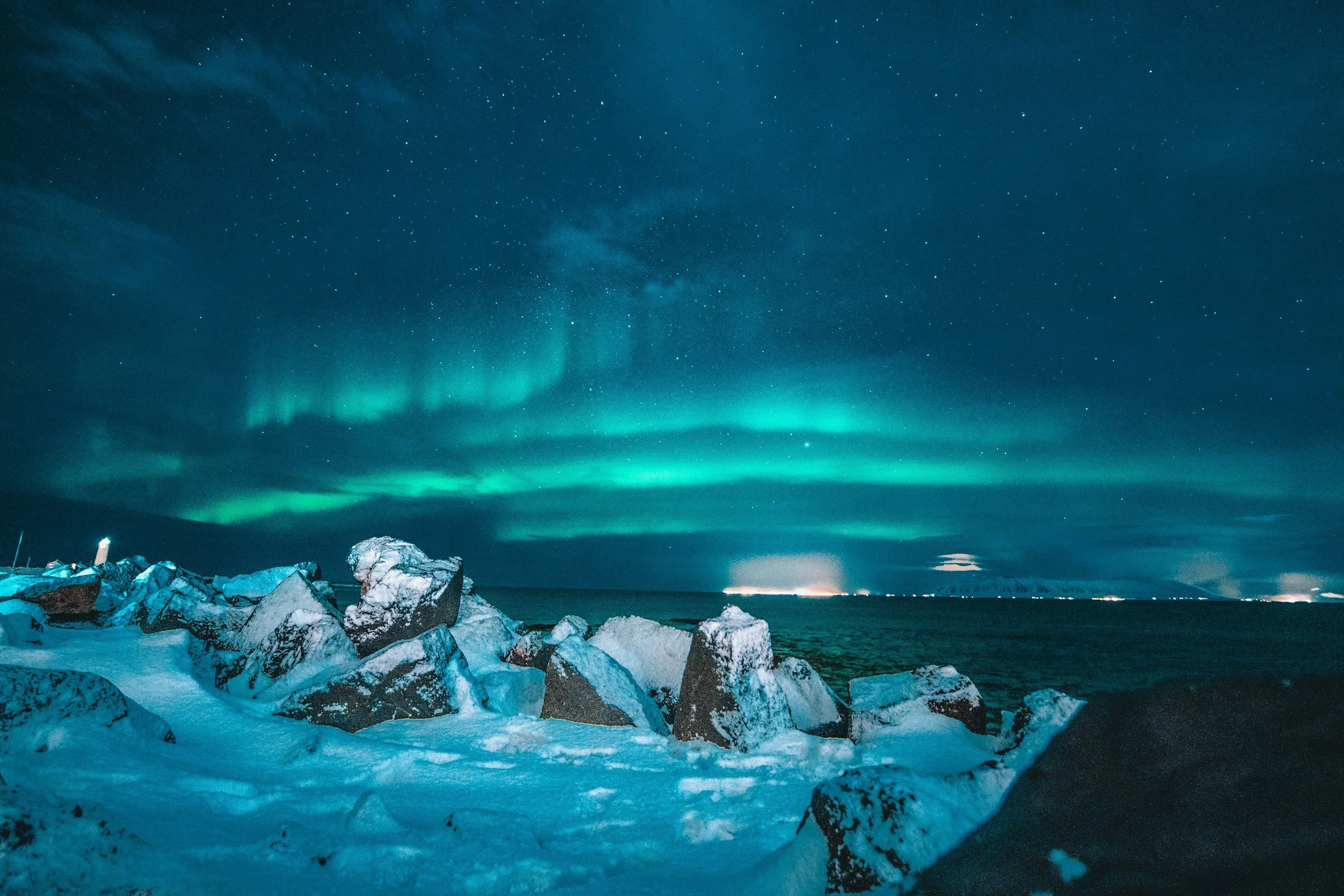
Come for snowy scenery, ice caves, geothermal bathing and the possibility of the aurora.
Days are short and weather can disrupt road journeys, so a little flexibility makes winter travel much more enjoyable.
Spring: April–May
Increasing daylight, quieter attractions and a feeling of Iceland waking up for summer. Some Highland roads and seasonal attractions may still be inaccessible.
Events worth knowing about
Reykjavík has a lively cultural calendar, including:
Winter Lights Festival in February
Reykjavík Pride in August
Reykjavík Culture Night in August
Iceland Airwaves music festival in November
Northern Lights tip: The aurora is a natural phenomenon and can never be guaranteed. Give yourself several nights in Iceland rather than relying on one specific evening.
4: Getting There & Getting Around
Flying from the UK
Direct flights operate from the UK to Keflavík, with the widest choice generally available from London and seasonal services from a number of regional airports.
From Keflavík Airport
Reykjavík is roughly 45–60 minutes away by road.
Options include:
Airport transfer coaches
Private transfers
Taxis
Public buses
Hire cars
A pre-arranged private transfer is a great upgrade if you would prefer to start your holiday without navigating timetables or luggage transfers.
Driving
Hiring a car gives you fantastic freedom, particularly along the South Coast, Golden Circle and Snæfellsnes Peninsula.
Remember that Icelandic conditions are unlike normal UK driving. Wind, snow, ice and rapidly changing visibility can make journeys much more challenging than distances suggest.
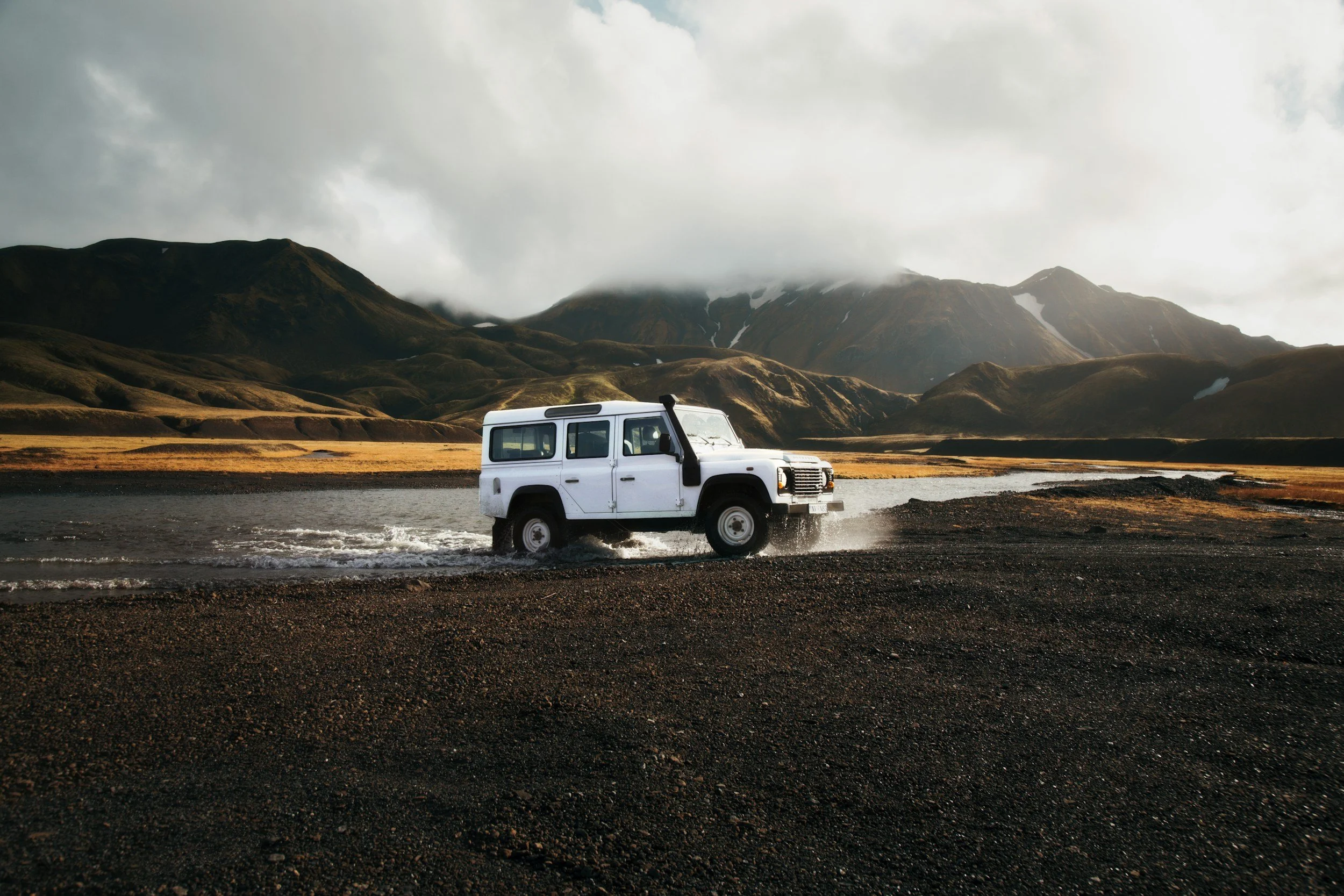
Never drive on an F-road unless your vehicle and rental agreement specifically permit it.
Without a car
You can still experience Iceland brilliantly. Base yourself in Reykjavík and combine city exploring with organised day tours or small-group excursions.
5: Top Experiences & Must-Sees
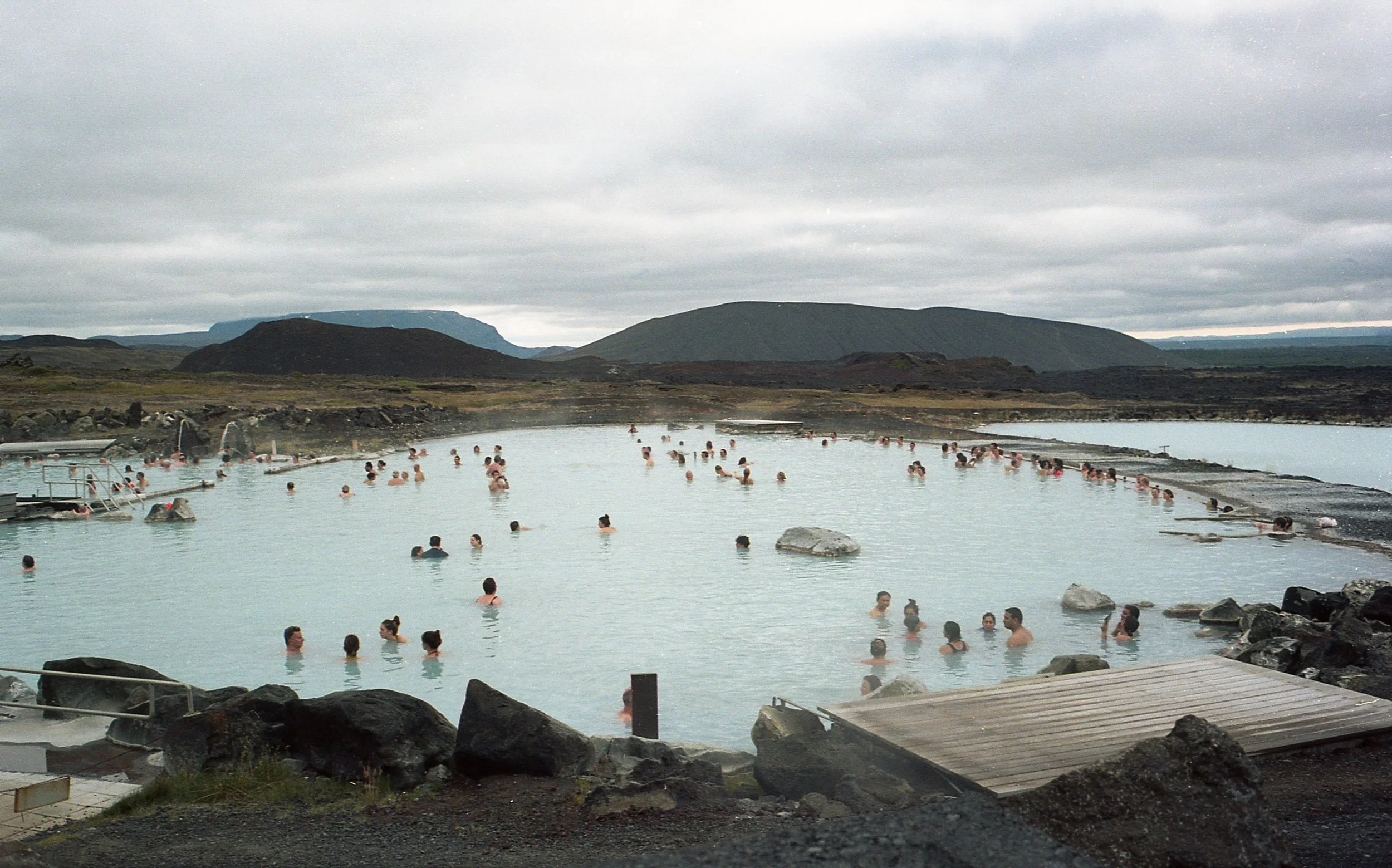
A classic introduction to Iceland combining Þingvellir National Park, the Geysir geothermal area and Gullfoss waterfall.
For a slower day, add a geothermal spa or countryside food experience rather than trying to squeeze in too many stops.
Iceland's South Coast
Expect huge waterfalls, sweeping lava landscapes and the dramatic black sands around Reynisfjara.
Continue towards Jökulsárlón Glacier Lagoon if your itinerary allows — an overnight stay makes the journey far more relaxed.
Reykjavík
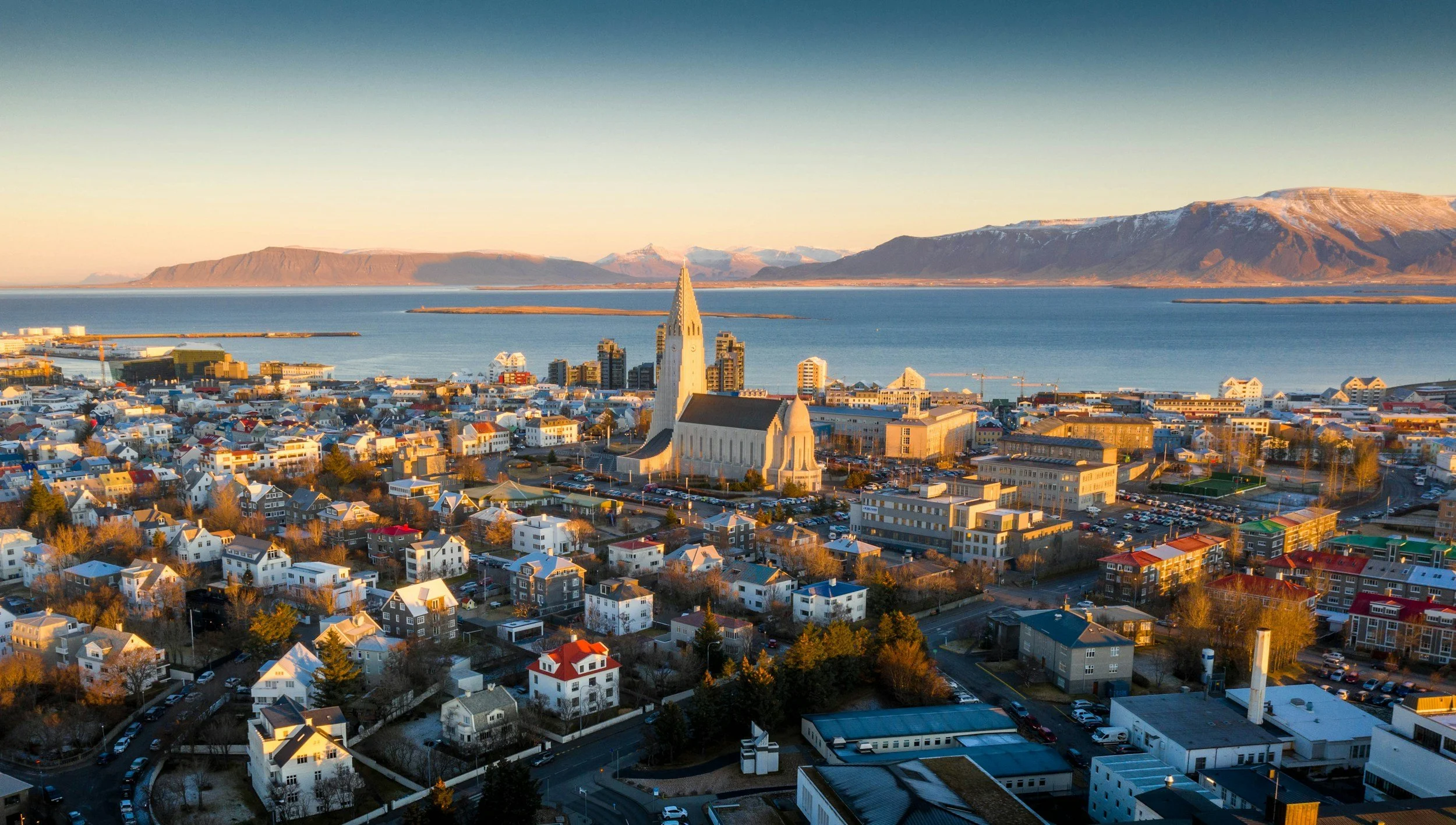
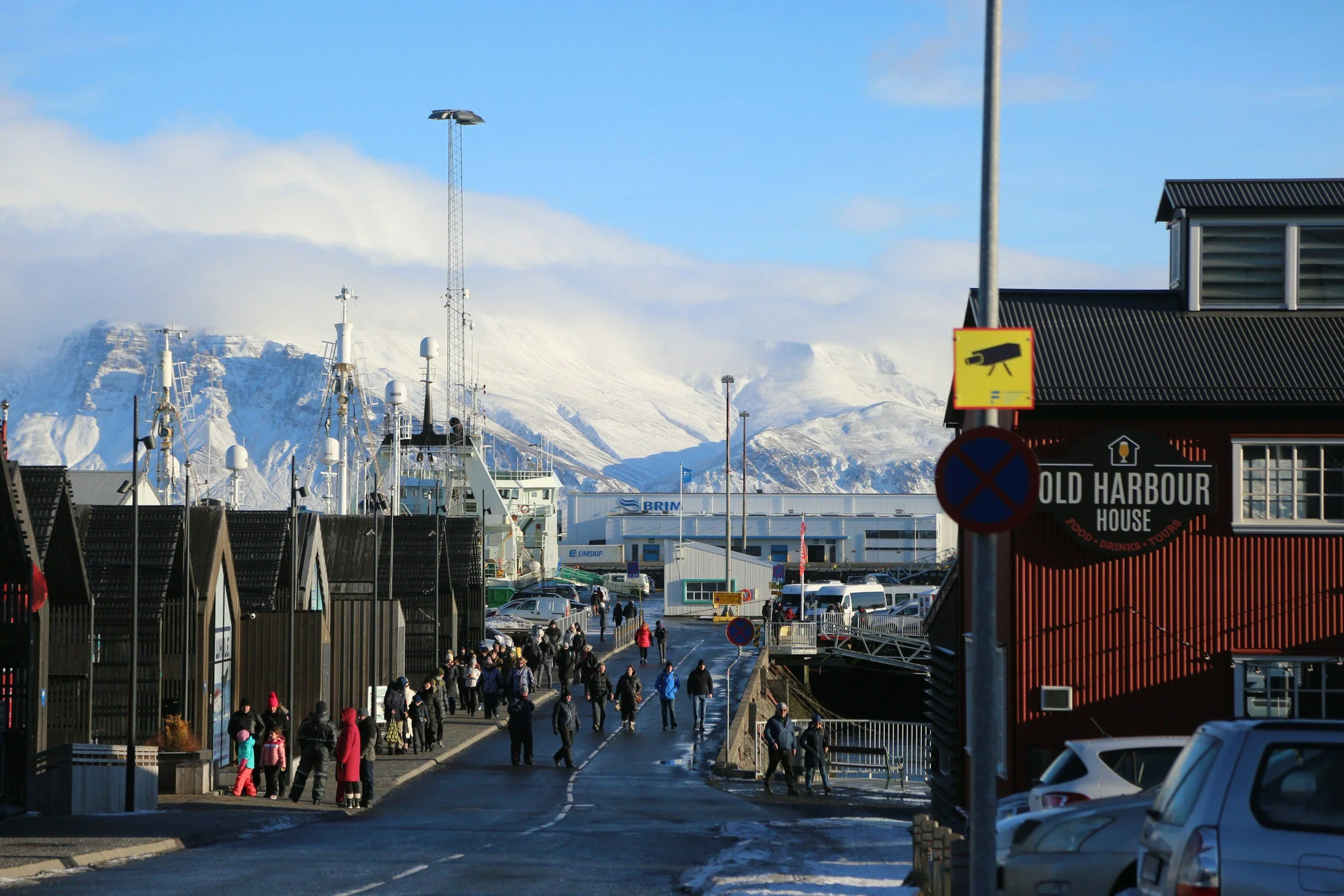
Compact, colourful and easy-going, Iceland's capital deserves more than somewhere to sleep between excursions.
Explore cafés, independent shops, museums, colourful streets, the harbour and the striking Hallgrímskirkja church.
Geothermal bathing
Few experiences feel more Icelandic than sinking into naturally heated water while cool air surrounds you.
Choose from famous destination spas such as the world famous Blue Lagoon, contemporary lagoons and simple local swimming pools depending on your budget and style.
Chase the Northern Lights
From autumn through early spring, head away from artificial light and keep an eye on the skies.
A guided tour takes away the driving and lets someone else interpret weather and aurora conditions.
Walk on a glacier
With an experienced guide and the correct equipment, a glacier walk is one of Iceland's most memorable adventures.
Never venture onto a glacier independently.
6: Food & Drink
Icelandic food is much more varied than the country's famous fermented-shark stories might suggest.
Look out for:
Fresh Atlantic fish – particularly cod and Arctic char - Our top pick is the amazing Fish & Chips at Mia’s Country Van
Lamb – a favourite across the country
Skyr – thick, high-protein Icelandic dairy
Rúgbrauð – dense Icelandic rye bread
Kjötsúpa – traditional lamb soup
Pylsur – Icelandic-style hot dogs and an excellent casual snack
Kleinur – lightly spiced twisted pastries
Tap water is excellent, so bring a refillable bottle rather than routinely buying bottled water.
For something special, consider a tasting menu, geothermal-inspired dining experience or countryside farm lunch as part of your itinerary.

7: Culture & Etiquette
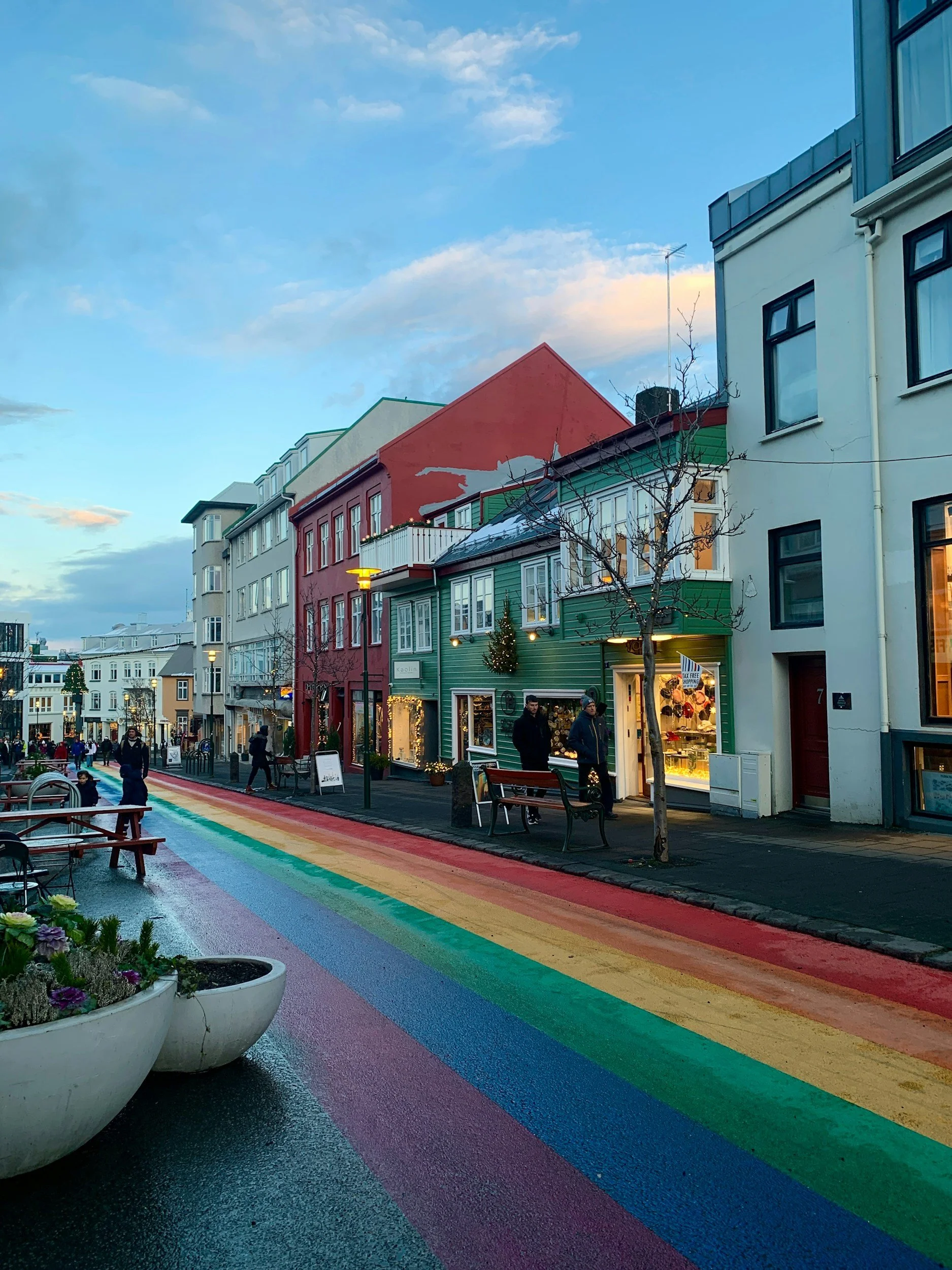
Iceland has a relaxed, informal social culture.
Queuing and personal space are appreciated.
Tipping is not generally expected.
Remove outdoor shoes if your accommodation requests it.
Shower thoroughly without swimwear before entering many public swimming pools — this is normal Icelandic pool etiquette.
Never cross barriers around cliffs, geothermal areas or waterfalls for photographs.
Stay on marked routes where requested; Iceland's moss and volcanic terrain can be surprisingly fragile.
Iceland is accustomed to welcoming people with different backgrounds, identities and travel styles. If you have accessibility, mobility, dietary or other specific requirements, arrangements can often be tailored in advance rather than limiting your experience.
8: Money Matters
Iceland can be noticeably more expensive than the UK, so a little planning helps.
Currency: Icelandic króna (ISK)
Cards: Debit and credit cards are accepted almost everywhere.
Cash: Useful occasionally, but many visitors use very little.
Tipping: Not normally expected in restaurants, bars or taxis.
Eating out: Casual lunches can often represent better value than elaborate evening meals.
Alcohol: Generally expensive, so factor drinks into your budget if they are important to you.
A mix of supermarkets, bakeries, street food and occasional special meals can keep costs under control without missing out on Icelandic food.
9: Safety & Health
Iceland is straightforward to travel around, but nature deserves respect.
Weather
Conditions can change very quickly. Check forecasts and road conditions before setting out, even if the weather looks perfectly calm when you leave.
Volcanic activity
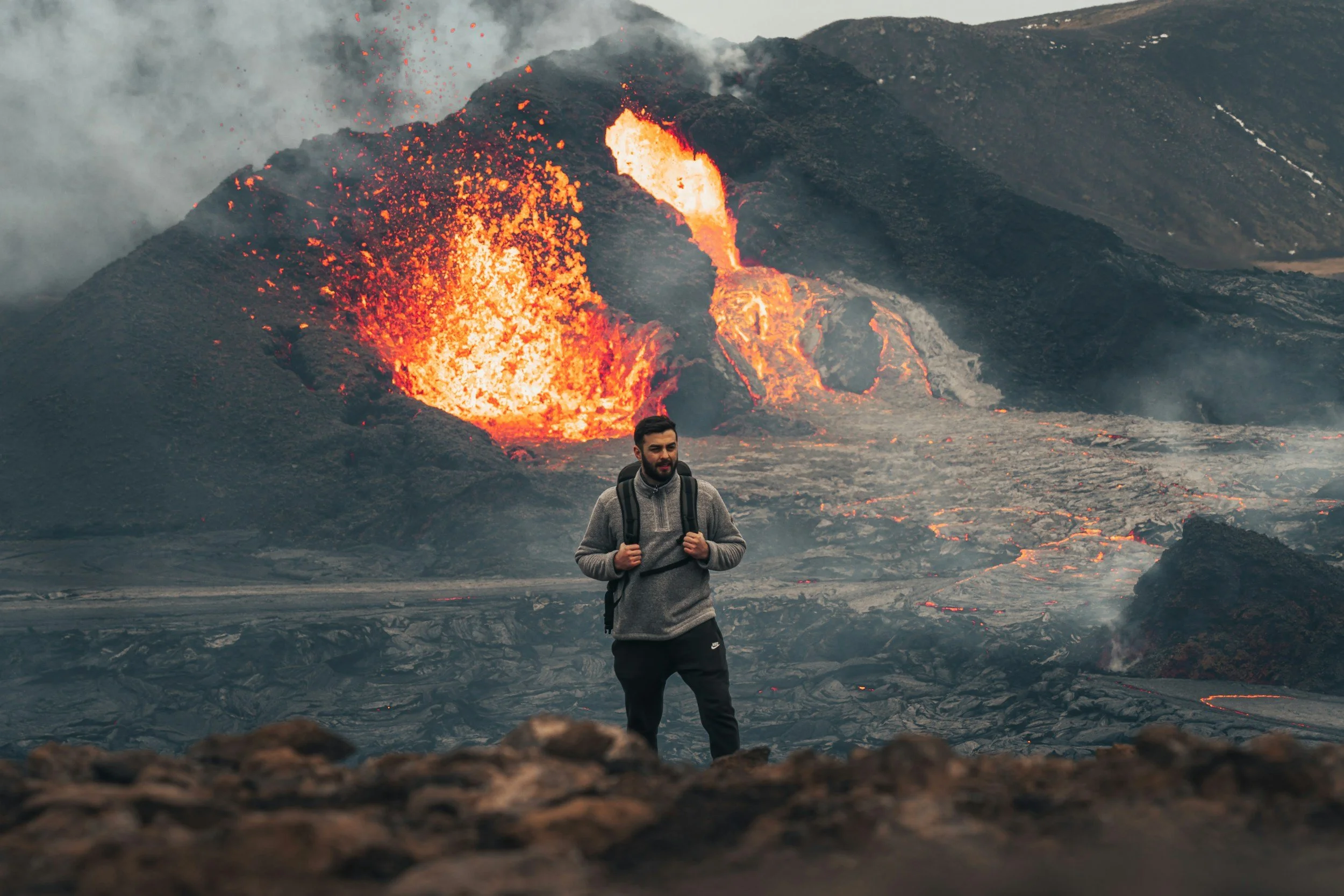
The Reykjanes Peninsula in south-west Iceland has experienced periods of volcanic and seismic activity in recent years. Access restrictions can change at short notice, so always follow official local guidance and closures.
This hopefully doesn’t need stating, but never walk on fresh lava.
Waves
Be particularly careful around black-sand beaches such as Reynisfjara. Powerful sneaker waves can reach much farther up the beach than expected and it is imperative that you follow all warning signs.
Glaciers
Only enter glaciers or ice caves with appropriately qualified guides.
Healthcare
UK travellers should arrange suitable travel insurance covering medical treatment, disruption and any activities such as glacier walking, snowmobiling or hiking.
Health cover
Take appropriate travel insurance covering your planned activities, particularly if venturing off road or visiting potentially dangerous areas such as active volcano’s or geothermal pools.
Eligible UK visitors should also carry a valid GHIC or EHIC to access medically necessary state healthcare, but this is not a replacement for travel insurance and does not cover everything, including medical repatriation.
Emergency help
Call 112 for police, fire, ambulance or rescue services.
The 112 Iceland and SafeTravel services are useful additions for travellers heading beyond Reykjavík.
10: Packing Tips
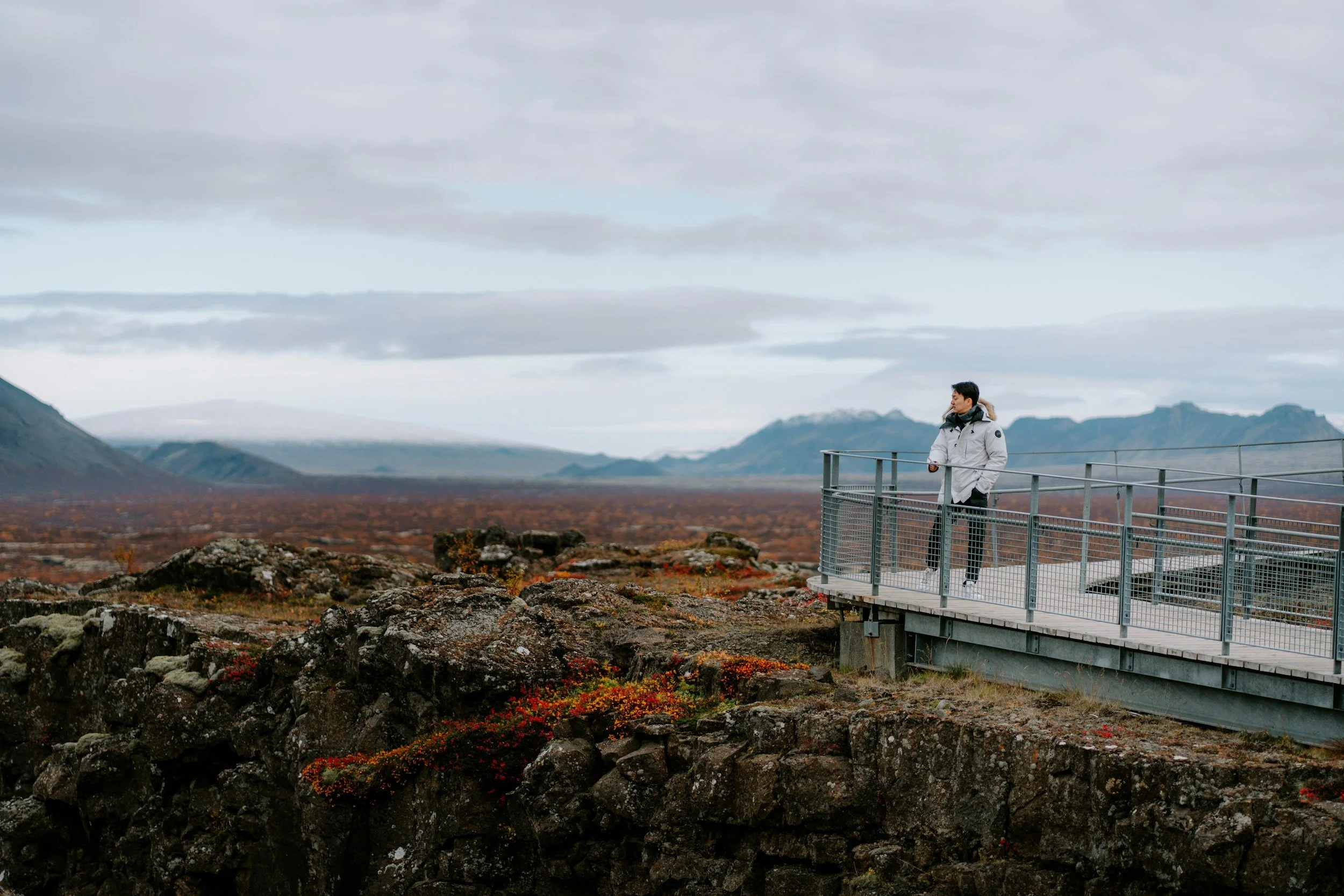
Iceland rewards layers rather than bulky outfits.
Pack:
Waterproof jacket
Waterproof or water-resistant trousers for outdoor days
Warm fleece or wool mid-layer
Base layers in colder months
Comfortable waterproof walking shoes or boots
Hat, gloves and scarf
Swimwear
European two-pin adaptor
Refillable water bottle
Sunglasses
Small daypack
Insider packing tip
Bring your swimsuit whatever the season. A spontaneous geothermal pool or hot tub can easily become one of your favourite moments of the trip.
And don't forget a waterproof phone case or cloth — waterfalls have a habit of getting closer than expected.
11: Optional Add-Ons & Excursions
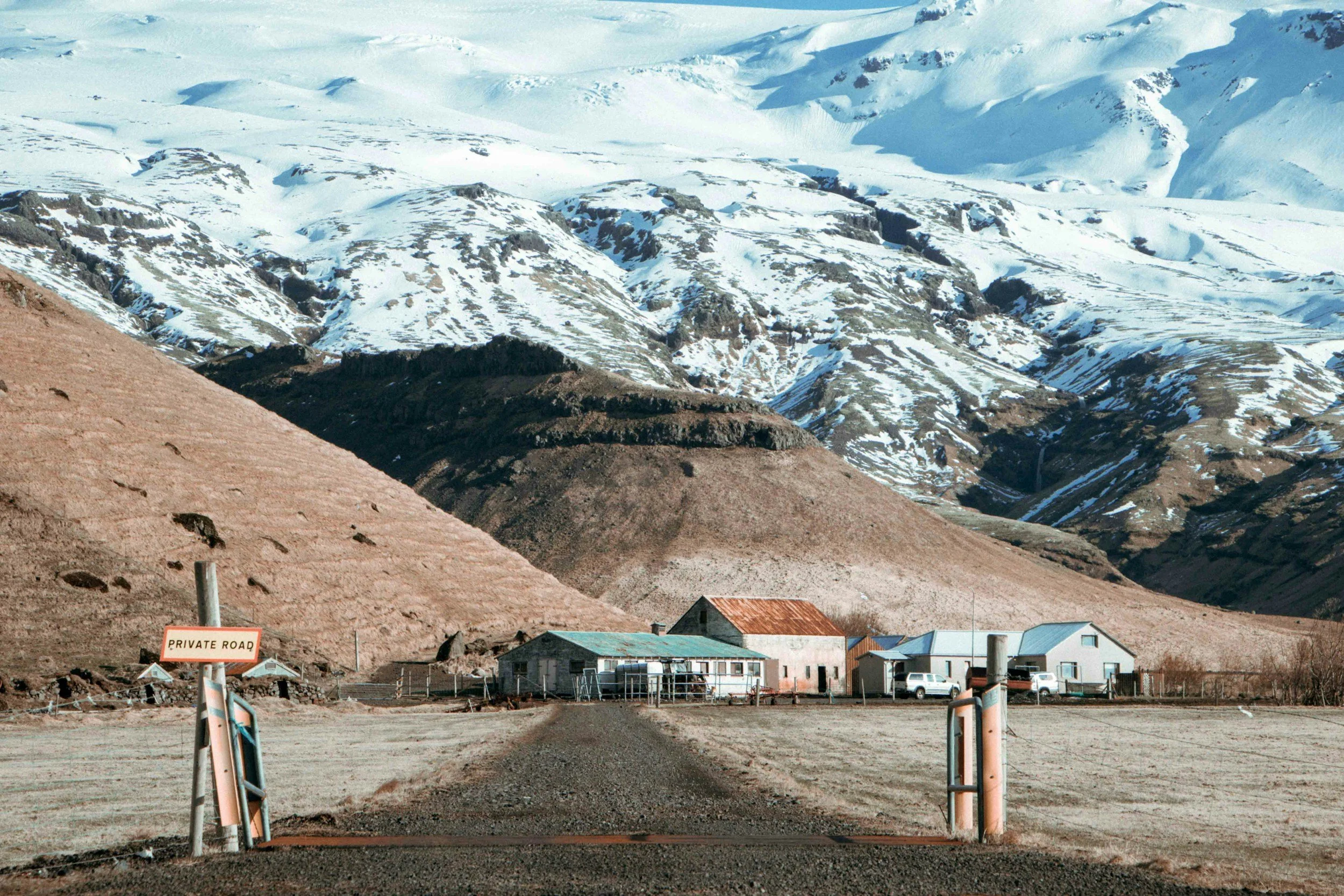
Consider adding:
Small-group or private Golden Circle tour
Glacier hike
Ice-cave experience in season
Snowmobile adventure
Whale watching
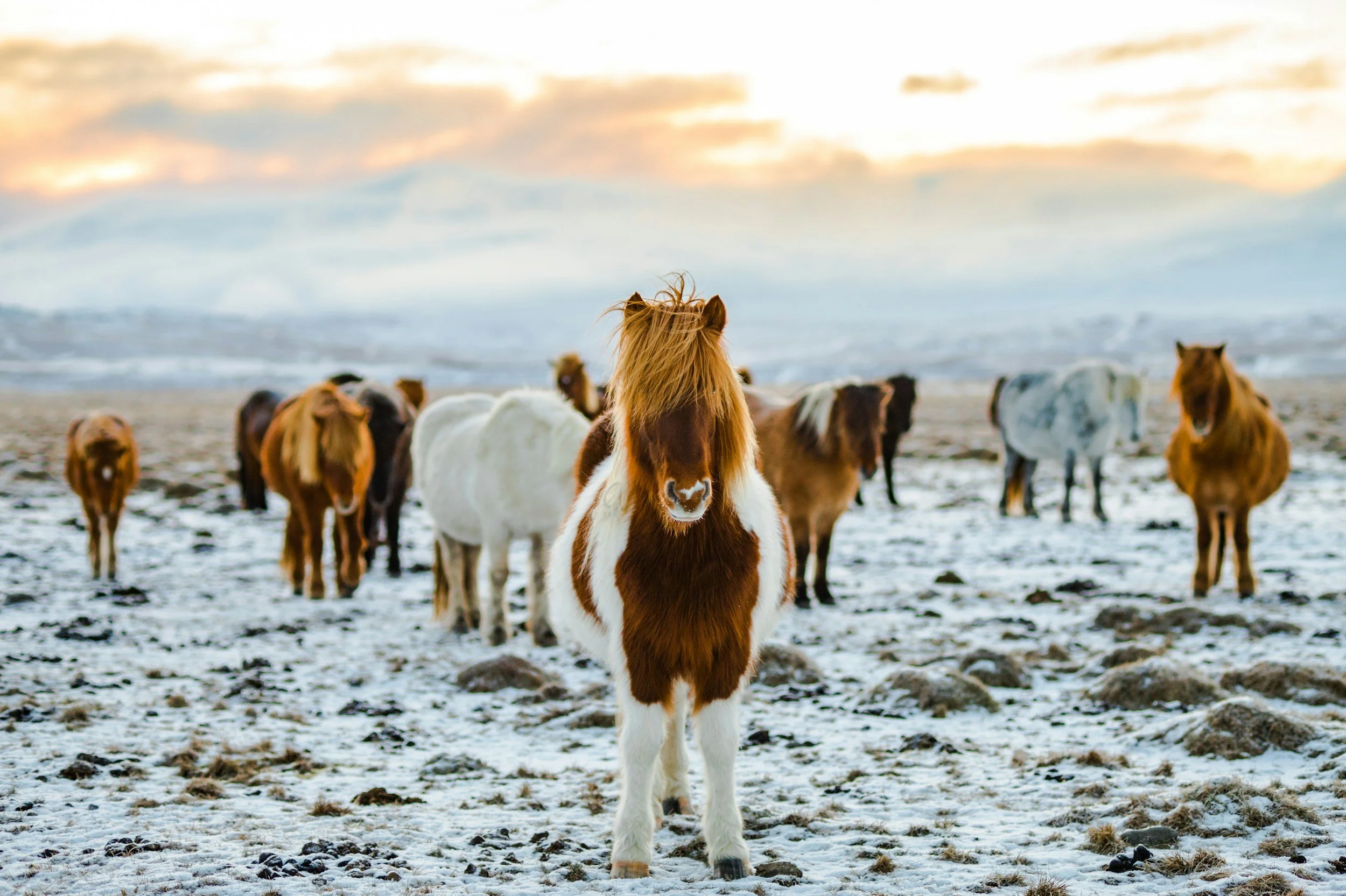
Icelandic horse riding
Premium geothermal lagoon experience
Snæfellsnes Peninsula day trip
Westman Islands excursion
Super Jeep adventure into wilder landscapes
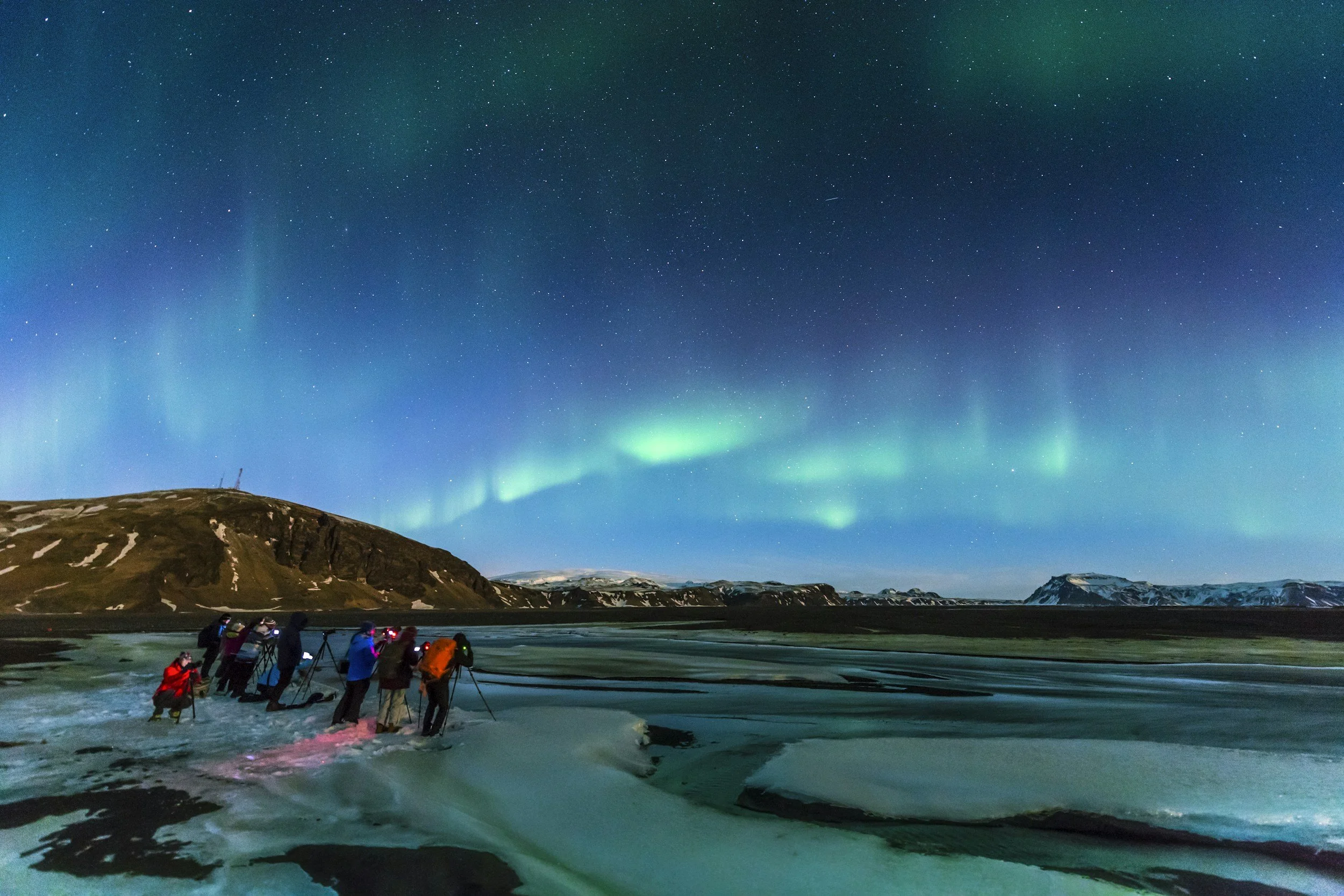
Northern Lights tour with photography guidance
For travellers with a little more time, staying overnight outside Reykjavík can completely change the experience and definitely something we recommend. Less rushing, quieter mornings and a much better chance to enjoy Iceland after day-trip visitors have gone home.
At Nordic Travel Table we can help match experiences to your preferred pace, mobility, confidence level and appetite for adventure.
12: Stay Connected
Mobile coverage is generally excellent around populated areas and main routes, although remote regions can be less reliable.
Check whether your UK mobile plan includes roaming in Iceland.
eSIM and local SIM options are available.
Wi-Fi is common in hotels, cafés and restaurants.
Download offline maps before longer drives.
Keep your phone charged when hiking or travelling in remote areas.
Useful apps and services include weather forecasts, SafeTravel, road-condition information, aurora forecasts and the 112 Iceland emergency s
13: Our Support While You’re Away
Your holiday doesn't stop being our responsibility the moment you board the aircraft.
Booking through The Independent Travel Consultants means you have professional support behind your arrangements, including assistance while you are away if something unexpected happens.
Client payments benefit from the applicable Protected Trust Services (PTS) arrangements, while qualifying flight-inclusive package holidays are ATOL protected. The precise protection applying to your holiday is confirmed in your booking documentation and, where applicable, your ATOL Certificate.
And with 24/7 assistance while you're away, you are not left trying to solve an unexpected travel problem alone.
Adventure feels much better when someone has your back.
14: Nordic Travel Table’s Insider Tip
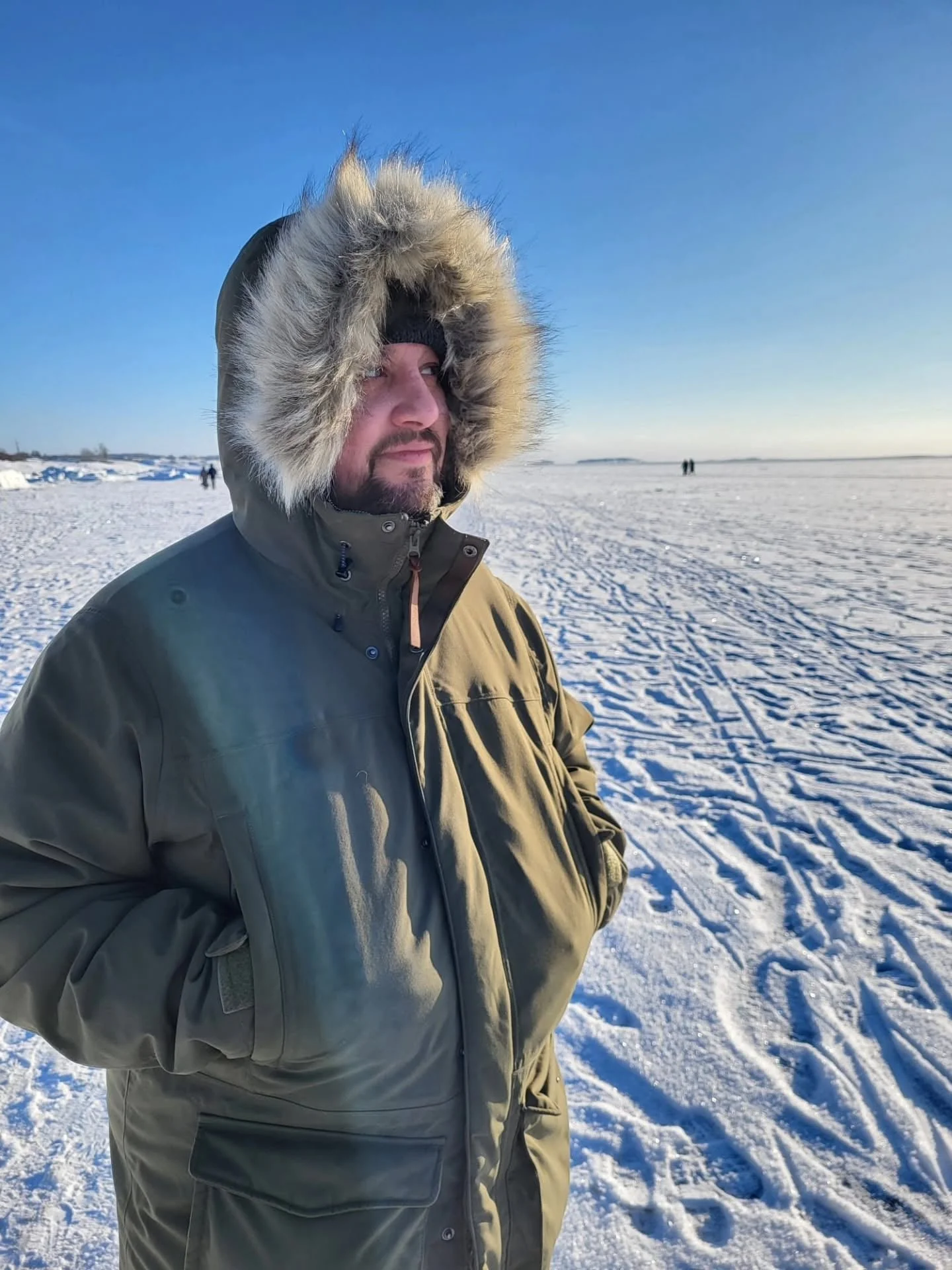
Mike Marolia, owner of Nordic Travel Table says:
My biggest Iceland tip is simple: don't try to see everything.
Distances on a map can look manageable, but waterfalls, viewpoints and unexpected stops have a way of turning a two-hour drive into half a day's adventure. Give yourself breathing space, stop when somewhere catches your eye and allow time for a long soak in warm water at the end of the day.
Iceland is at its best when you leave a little room for the unexpected.
15: Thank You & Your Next Adventure
Thank you for trusting us with your Iceland adventure.
Whether your favourite memory turns out to be standing beneath an enormous waterfall, sharing a quiet moment under the Northern Lights or simply watching steam rise from a geothermal pool, we hope Iceland gives you stories you'll be telling for years.
Take plenty of photographs, share your favourite moments and let your travel consultant know what you loved most — it makes planning your next adventure even easier.
And when Iceland has left you wondering “Where next?”, we're ready whenever you are.
Thinking about your own Icelandic adventure?
Get in touch today and lets start planning your package or tailor-made holiday!