
Destination Guide: Norway
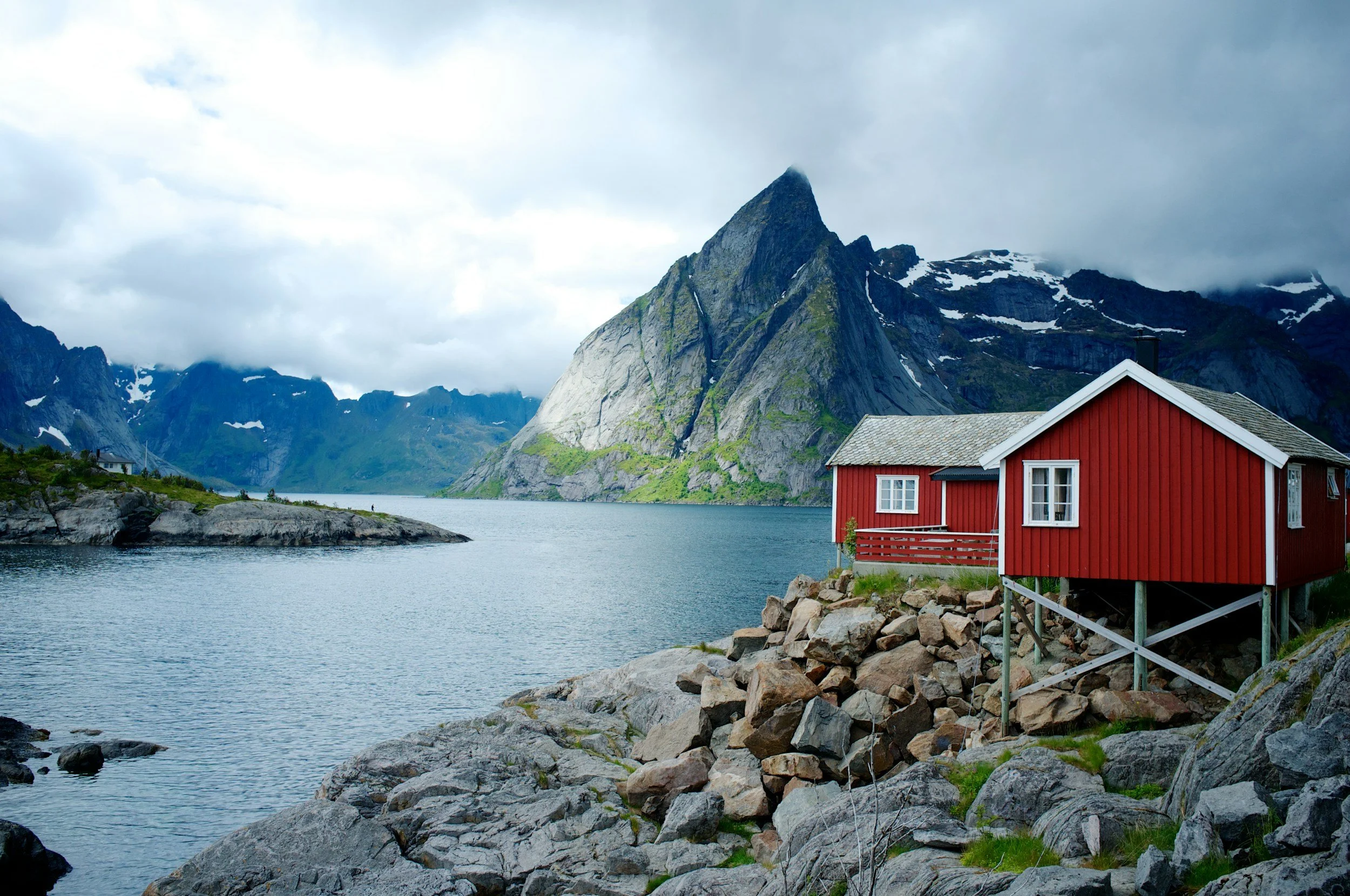
From colourful waterfront cities and peaceful fjords to dramatic mountain roads, Arctic islands and skies illuminated by the Northern Lights, Norway is a destination that invites you to slow down and look around.
1: Country Overview
Norway feels wonderfully spacious. One day might begin over coffee in Oslo and another beside a mirror-still fjord, on a mountain railway or wrapped up beneath an Arctic sky in Tromsø.
Whether you are travelling independently, sharing the journey as a couple or creating memories as a family, Norway offers a wonderful mix of adventure, nature and those quiet moments that often become the ones you remember most.
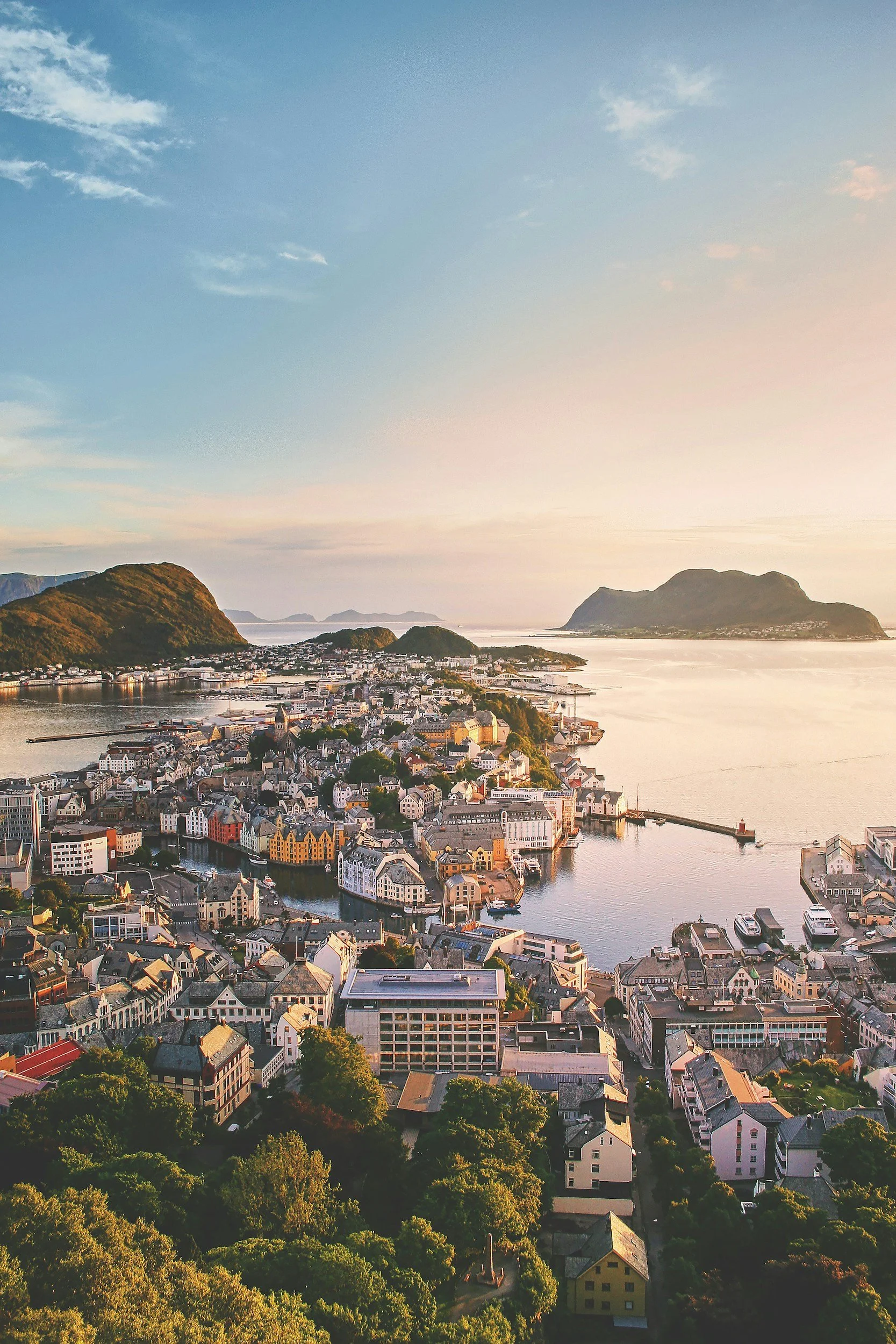
Travel north for the Northern Lights and Midnight Sun, west for majestic fjords and waterfalls, or combine cities such as Oslo and Bergen with scenic rail journeys and coastal adventures.
Wonderful for:
Solo travellers who enjoy independent exploration, organised excursions and time in nature.
Couples looking for spectacular scenery, cosy cabins, boutique stays and memorable shared experiences.
Families wanting wildlife, outdoor adventures, fascinating museums and plenty of room to explore together.
2: Quick Facts at a Glance
Language: Norwegian. English is widely used within the visitor economy, while Sámi languages are an important part of life and culture in areas of Northern Norway.
Currency: Norwegian krone (NOK).
Time: Norway is normally one hour ahead of the UK.
Plugs & voltage: Types C and F, with two round pins. Electricity is 230V / 50Hz, so travellers from the UK will need a plug adaptor.
Flight time from the UK: London to Oslo takes approximately 2 hours 15 minutes, while a direct London–Tromsø flight is around 3 hours 30 minutes.
Emergency numbers:
110 – Fire
112 – Police
113 – Ambulance
Entry requirements for British passport holders
British citizens travelling for a normal holiday can visit Norway and the wider Schengen area without a visa for up to 90 days in any 180-day period.
Your passport must normally have been issued less than 10 years before your arrival and have an expiry date at least three months after the date you intend to leave the Schengen area.
The Entry/Exit System (EES) is being used for third-country nationals, including UK citizens, so biometric details such as a photograph and fingerprints may form part of border formalities. Allow a little extra time for immigration procedures.
3: When to Go
There is no wrong season for Norway — but each one feels completely different.
December–March: snow and Arctic adventures
Head north for snowy landscapes, dog sledding, reindeer experiences, skiing and long winter evenings.
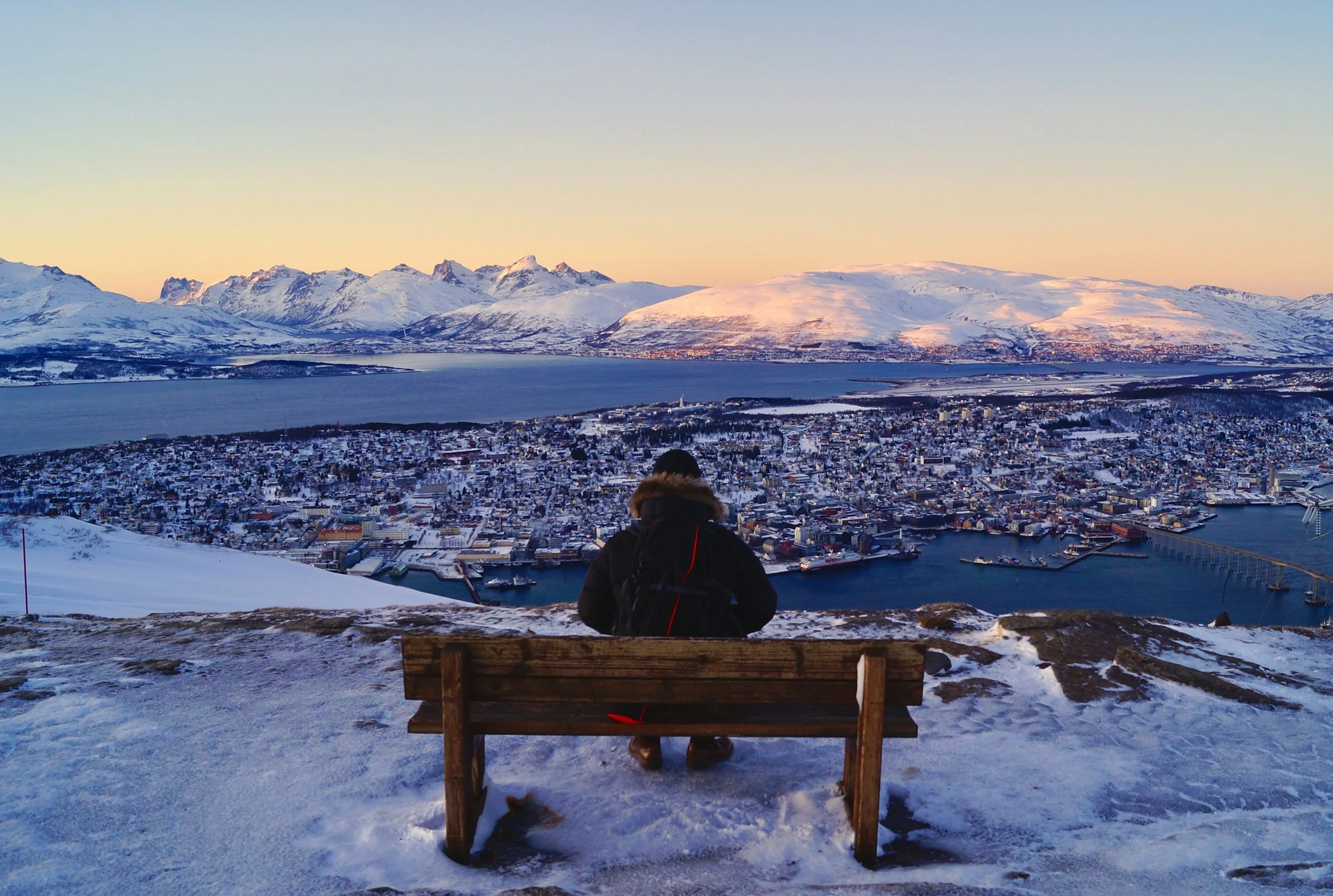
Tromsø, Alta and other destinations in Northern Norway are excellent bases for combining Arctic activities with Northern Lights excursions.
September–April: Northern Lights
Northern Norway offers opportunities to see the aurora between September and April, provided the skies are dark and clear. September, October, March and April statistically see particularly strong aurora activity, although this is a natural phenomenon and sightings can never be guaranteed.
May–September: fjords and outdoor adventures
Late spring and summer are wonderful for:
Scenic driving
Fjord cruises
Hiking
Cycling
Kayaking
Coastal journeys
Wildlife experiences
Long evenings outdoors
July is particularly popular, so booking early is wise if you are travelling during the school holidays.
May–July: Midnight Sun
Above the Arctic Circle, summer brings extraordinarily long days and, in some areas, the sun does not set at all for a period. Northern Norway can experience up to 24 hours of daylight during the Midnight Sun season.
A celebration to know
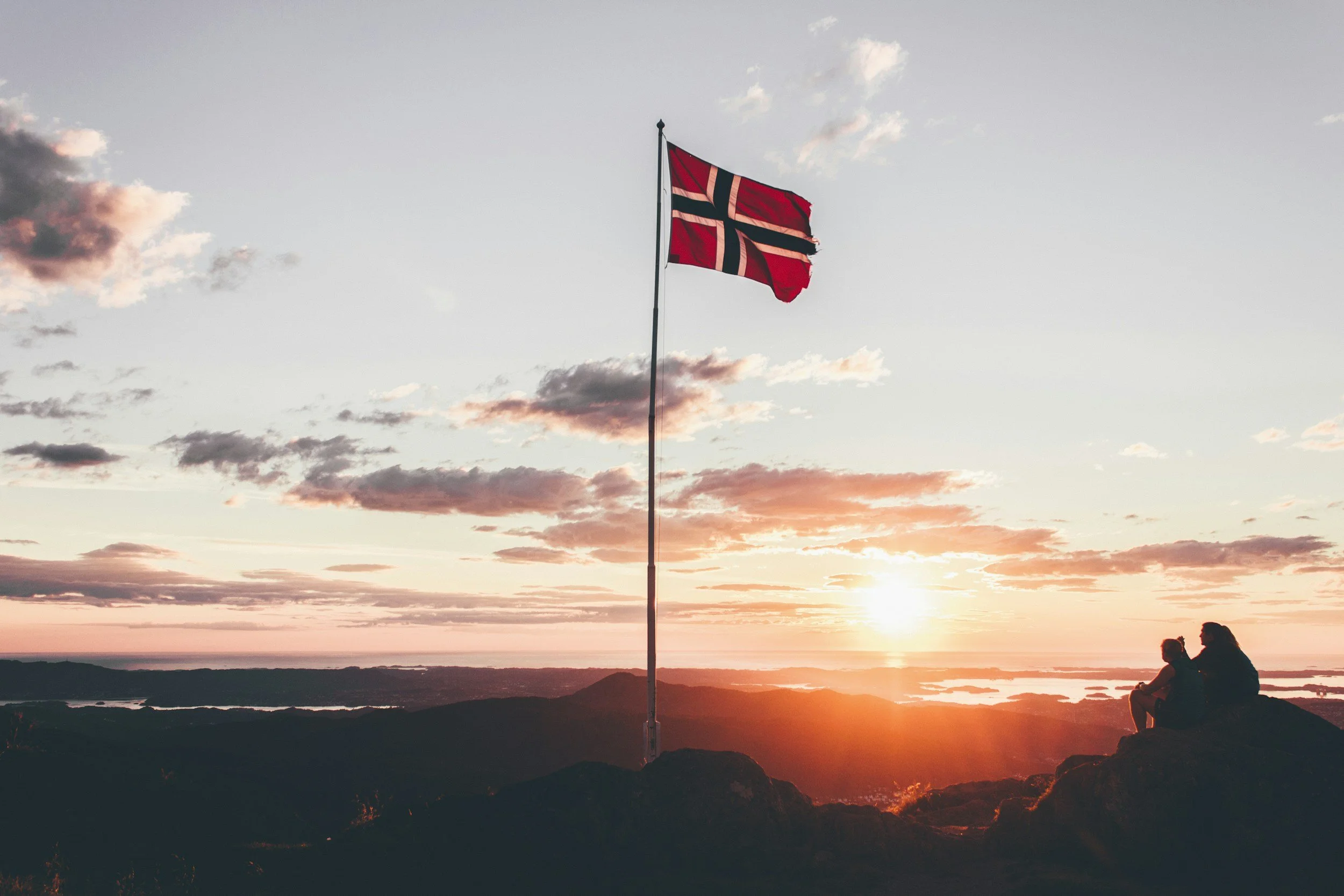
17 May — Norway's Constitution Day — is one of the country's biggest celebrations, with parades, traditional dress, flags and a wonderfully festive atmosphere.
4: Getting There & Getting Around
Flying from the UK
Norway is surprisingly close to Britain.
Oslo is the main international and domestic air hub, while other gateways include Bergen, Stavanger, Trondheim and destinations across Northern Norway. Direct UK routes vary by departure airport and season, so it is worth choosing flights around the itinerary rather than assuming everything needs to begin in Oslo.
By train
Norwegian rail journeys can be an experience in themselves.
The famous Bergen Railway connects Oslo with Bergen through mountain scenery, while other routes provide access to destinations across central and northern Norway.
For many journeys, the national travel planner Entur is useful for comparing trains and other forms of public transport.
By ferry and boat
In a country shaped by its coastline and fjords, boats are part of everyday transport.
Passenger boats, car ferries and express services link islands, fjord communities and coastal towns, and it is perfectly possible to build parts of a holiday around public transport rather than hiring a car.
Driving
A hire car gives you wonderful freedom, particularly around the fjords and Lofoten Islands.
Just remember that Norwegian distances can be deceptive. A journey that looks short on a map may involve mountain roads, tunnels and ferries.
In winter, snow, ice, darkness and rapidly changing conditions deserve extra respect. If you are not comfortable with winter driving, transfers and organised excursions can make the holiday much more relaxing.
5: Top Experiences & Must-Sees
1. Discover Oslo
Norway's capital is an easy, welcoming introduction to the country.
Stroll along the waterfront, discover contemporary architecture, visit fascinating museums and make time for the city's parks, cafés and neighbourhoods.
Oslo also combines city life with exceptionally easy access to nature, including islands in the Oslofjord.
Solo: explore at your own pace and join a walking or food tour.
Couples: combine museums and galleries with a sauna or waterfront dinner.
Families: allow time for interactive museums and outdoor spaces rather than trying to squeeze everything into one day.
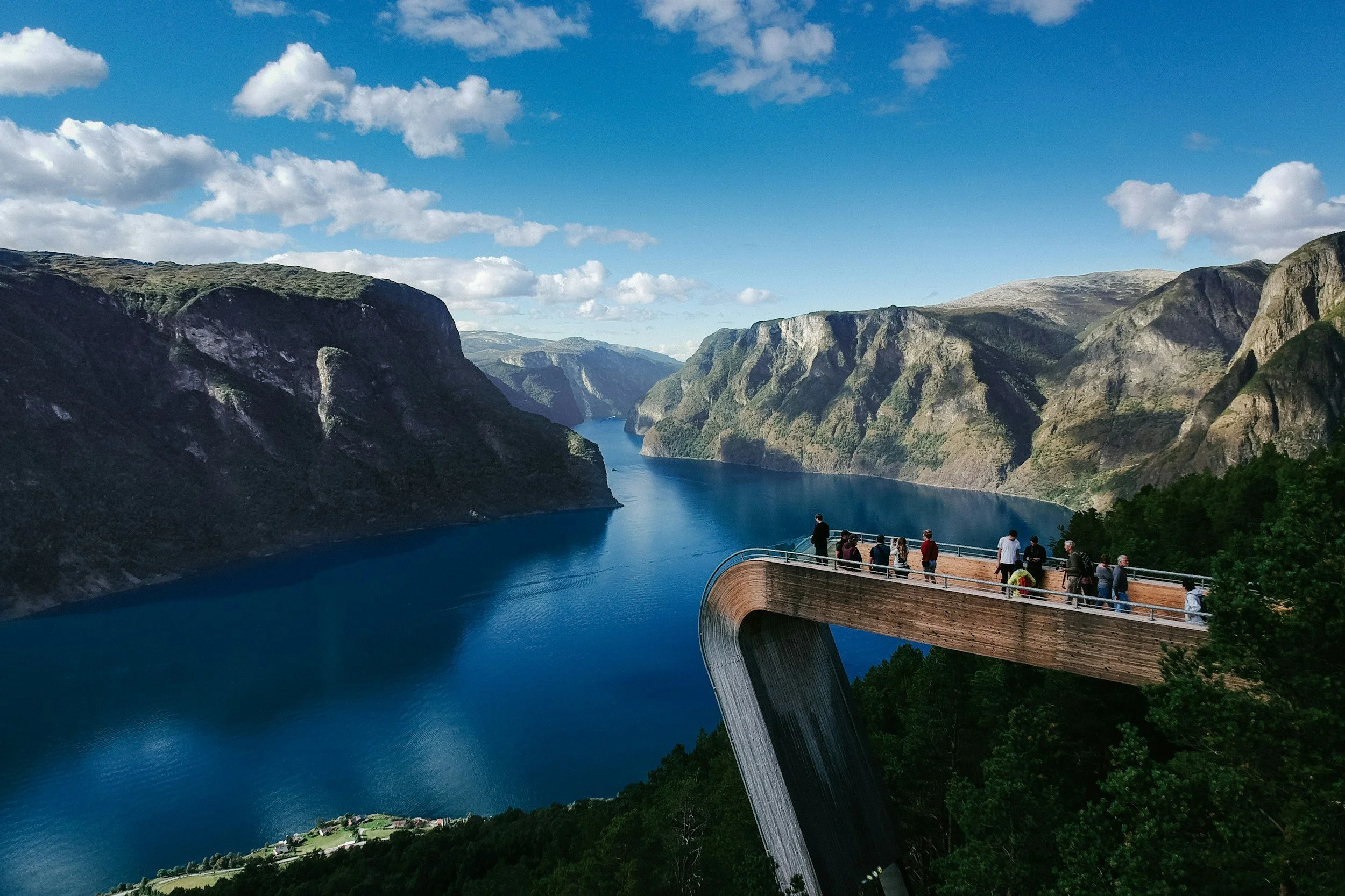
2. Experience the Norwegian fjords
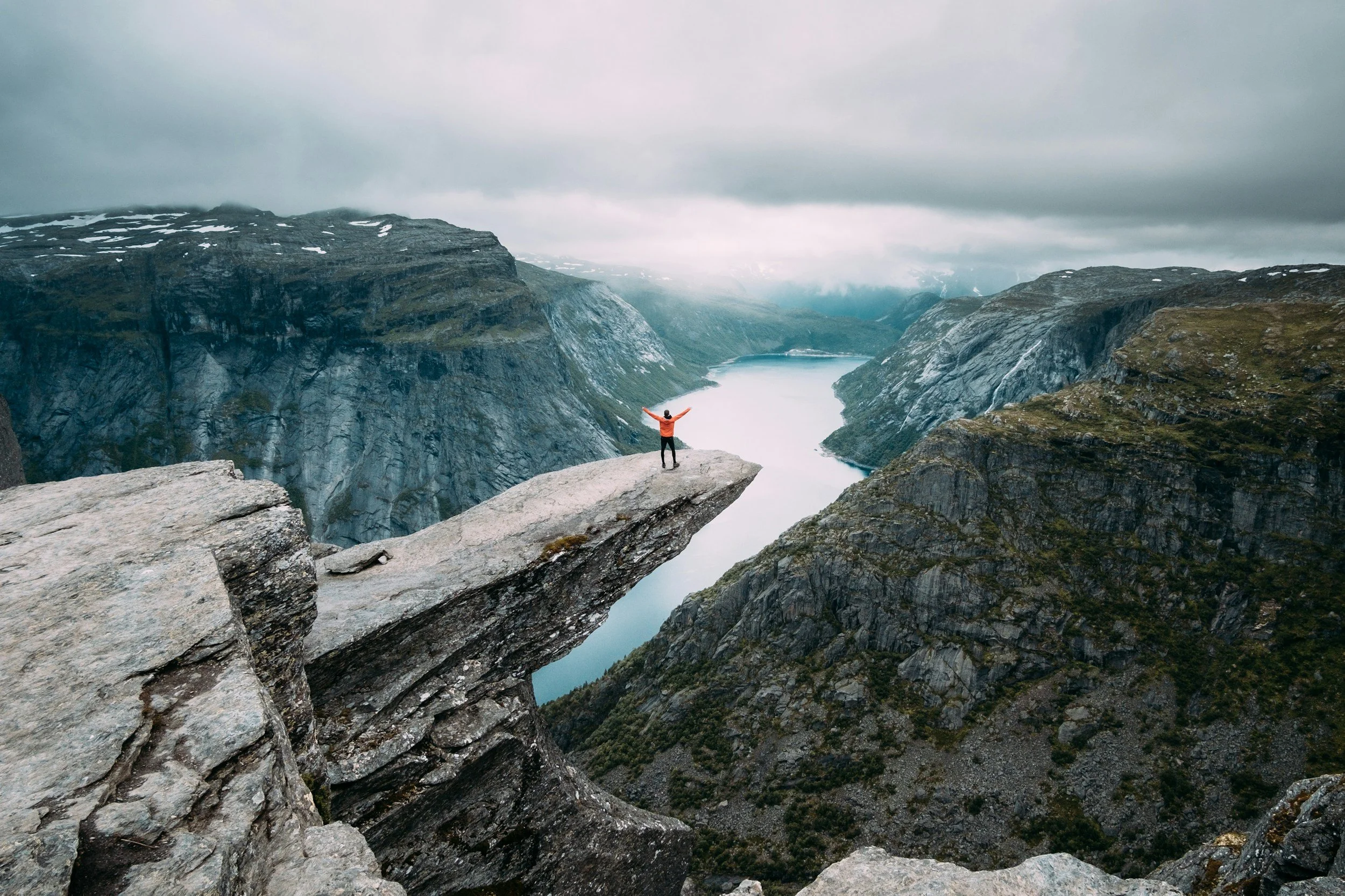
Few things prepare you for the scale of Norway's fjord landscapes.
Deep blue water, sheer mountainsides, waterfalls and tiny communities create scenery that feels almost theatrical.
Explore by boat, road, train or kayak — or combine several.
For anyone celebrating a birthday, anniversary or honeymoon, consider upgrading one part of your stay to a beautiful waterside hotel or private fjord experience.
3. Visit Bergen and ride the Flåm Railway
Colourful Bergen makes a lovely gateway to Fjord Norway.
Wander through the waterfront areas, enjoy the food scene and then continue into the mountains and fjords.
A journey incorporating Flåm gives you the chance to combine rail, water and mountain scenery, turning the travelling itself into one of the highlights of your holiday.
4. Chase the Northern Lights
Watching the aurora move across a Norwegian Arctic sky is difficult to put into words.
Tromsø, Alta, Lofoten and other parts of Northern Norway provide excellent bases for aurora adventures.
Joining a guided excursion can be especially worthwhile because local guides monitor cloud conditions and forecasts and can travel away from city lights in search of clearer skies.
Solo: small-group tours offer both expertise and company.
Couples: consider an overnight stay somewhere remote with minimal light pollution.
Families: look for earlier-starting or family-friendly tours, particularly with younger children.
And remember — the Northern Lights are never guaranteed. The anticipation is part of the adventure.
5. Fall in love with the Lofoten Islands
Jagged mountains rise directly from the sea, tiny fishing villages hug the shoreline and traditional red cabins sit beside crystal-clear water.
Lofoten is beautiful in every season.
In winter, the islands are atmospheric and dramatic beneath the aurora. In summer, long daylight hours create extraordinary opportunities for hiking, kayaking, beaches and road trips.
Staying in a traditional rorbu, or fisherman's cabin, adds a lovely sense of place.
6. Experience Arctic Norway
Northern Norway is about much more than the Northern Lights.
Depending on the season, you might try:
Dog sledding
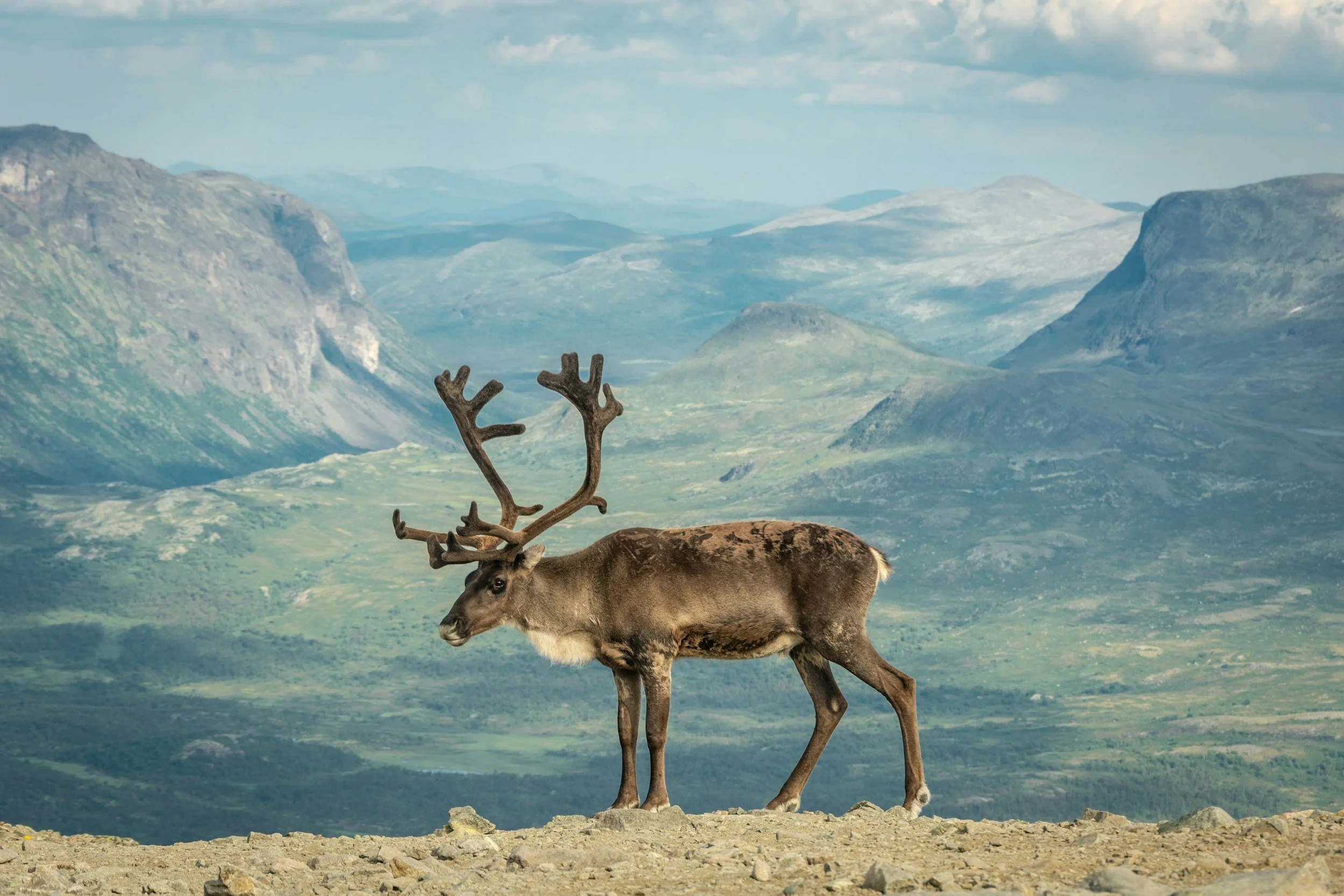
Reindeer experiences
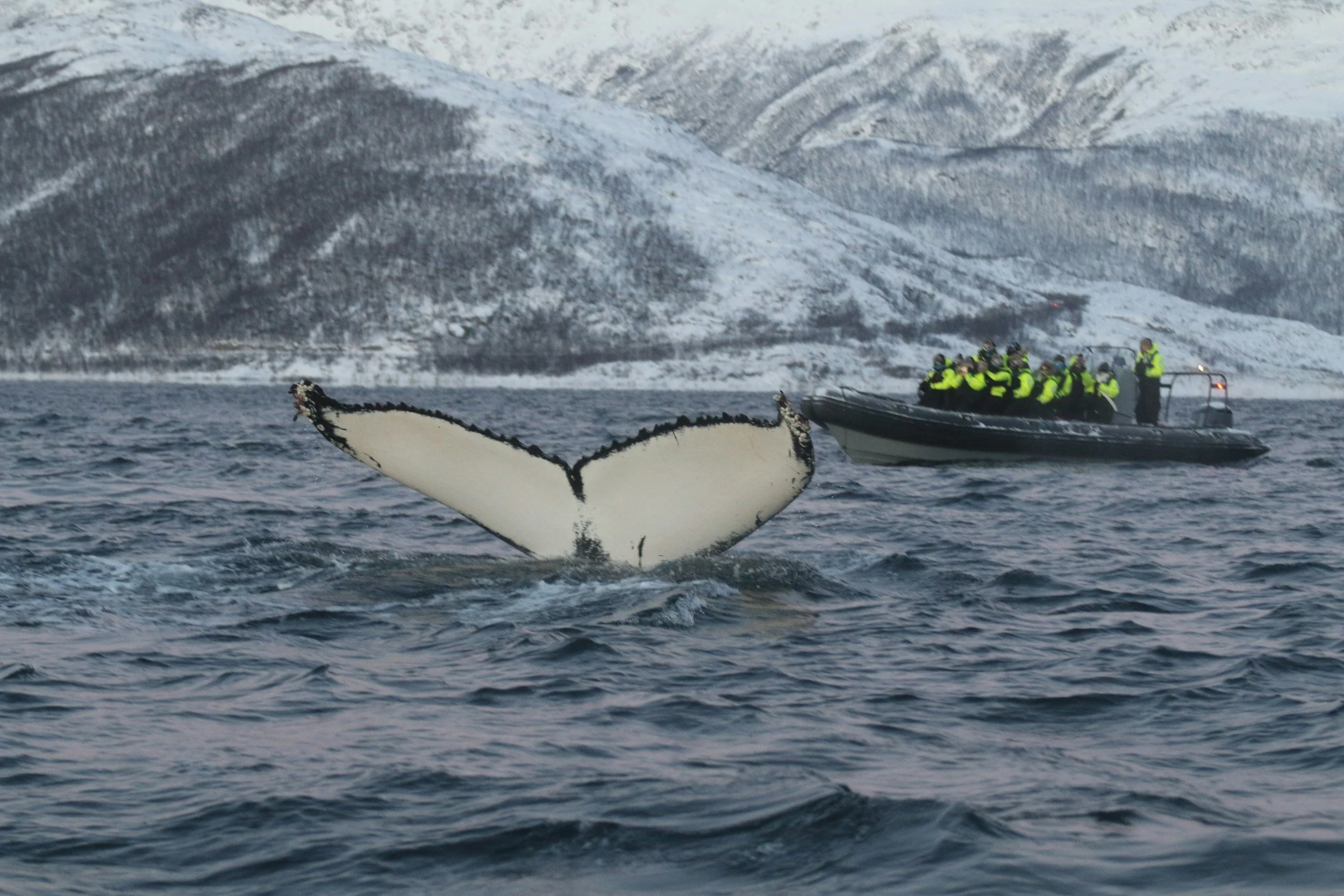
Whale watching
Snowshoeing
Sea eagle safaris
Kayaking
Arctic sailing
Sámi cultural experiences
Authentic Sámi-led experiences can offer meaningful insights into the Indigenous culture, traditions and contemporary life of Northern Norway.
6: Food & Drink
Norwegian food is closely connected with the sea, mountains, farms and changing seasons.
Things to try:
Fresh seafood – salmon, cod, prawns and other locally caught seafood feature widely.
Fiskesuppe – creamy Norwegian fish soup, particularly comforting after a chilly day outdoors.
Brunost – Norway's distinctive brown cheese, often eaten on bread, crispbread or waffles.
Norwegian waffles – typically thinner and softer than Belgian waffles and often served with sweet or savoury toppings.
Kjøttkaker – traditional Norwegian meatcakes, a hearty comfort-food option.
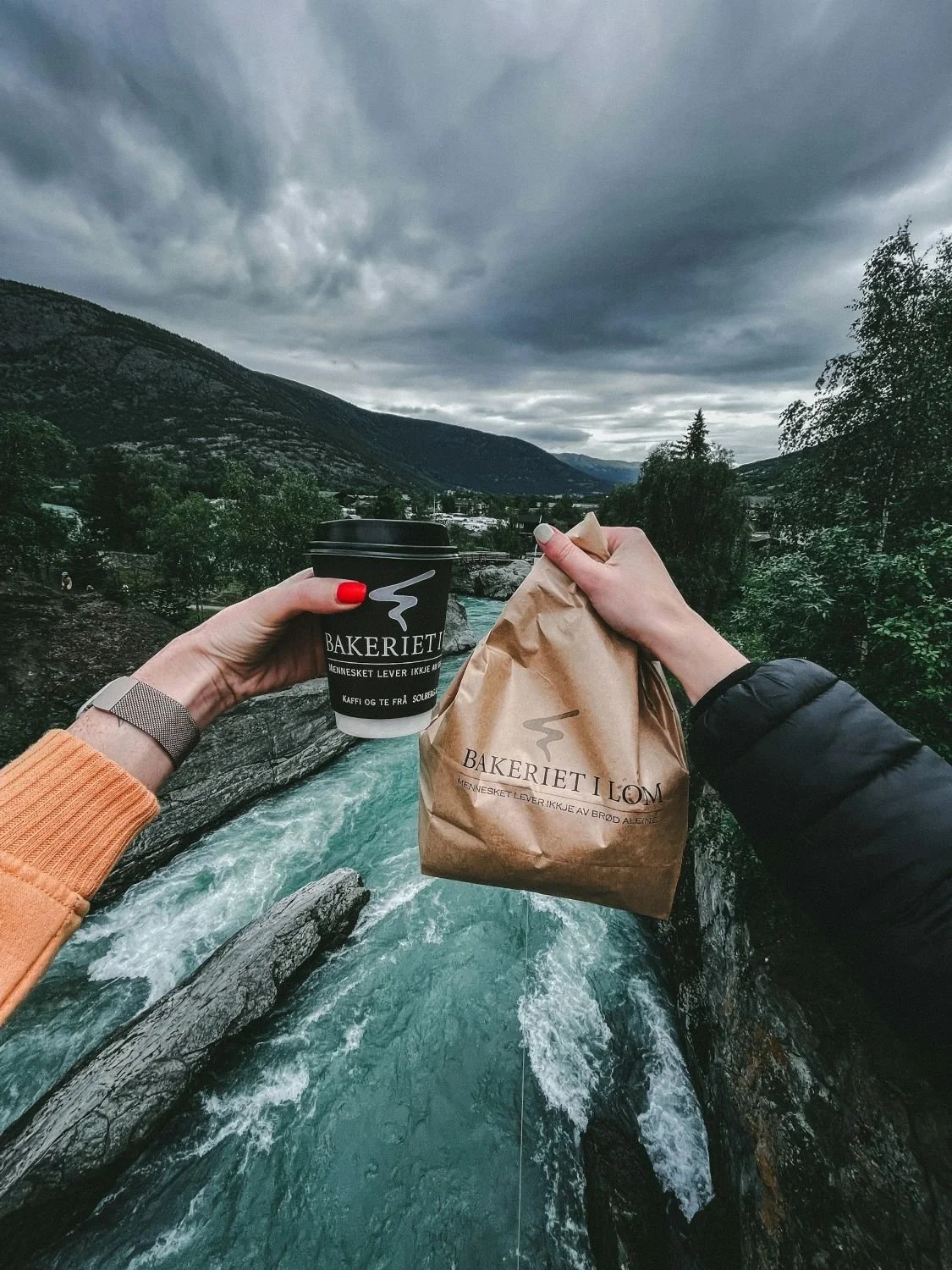
Cinnamon buns – an excellent companion to a coffee break.
Reindeer – particularly associated with northern cuisine. It is entirely optional, and vegetarian and vegan alternatives are widely available in larger towns and tourism areas.
A small pleasure worth making time for
One of the nicest things about Norway is simply finding a café overlooking water or mountains and taking your time.
Not every memorable holiday moment needs to be an organised excursion.
7: Culture & Etiquette
Norwegians tend to value personal space, punctuality, nature and a relaxed, informal style of communication.
A few simple things help:
Respect queues and personal space.
Punctuality is appreciated.
Don't worry if conversation is quieter than you are used to.
Follow local signage and advice in mountain and coastal areas.
Leave nature exactly as you found it.
Never assume that remote-looking land means there are no rules or responsibilities.
Treat Sámi culture as a living culture, not as a costume or tourist theme.
The right to roam
Norway's famous right to roam gives people extensive access to the countryside, including much privately owned uncultivated land — but that freedom comes with responsibilities.
Be considerate of people, animals and property, respect restrictions and leave no rubbish behind.
8: Money Matters
Norway uses the Norwegian krone (NOK).
Cards are very widely accepted, although it is sensible to have more than one payment method, particularly when travelling into rural areas. Visa and Mastercard are amongst the most commonly accepted cards.
How expensive is Norway?
Norway has a reputation for being expensive, so it helps to budget before travelling.
As a rough guide, Visit Norway currently gives typical prices of approximately:
NOK 35–65 for a cappuccino
NOK 190–350 for a meal in a budget restaurant
NOK 650–1,500 for a three-course meal in a mid-range restaurant
Prices vary significantly by destination and style of venue.
Tipping
Tipping is not generally obligatory.
In restaurants and bars, people sometimes leave a tip when they have been particularly happy with the food or service. There is no strict rule, although Visit Norway notes that voluntary restaurant tips often fall around 5–15%.
Keeping costs comfortable
A few simple choices can help:
Mix restaurant meals with bakeries, cafés and supermarkets.
Book rail journeys and popular activities ahead.
Enjoy free hikes, viewpoints and waterfront walks between paid excursions.
Build your must-do experiences into the holiday budget before you leave.
Travel outside the busiest summer and festive periods where possible.
Your travel consultant can help you decide where an upgrade genuinely adds something special and where keeping things simple works just as well.
9: Safety & Health
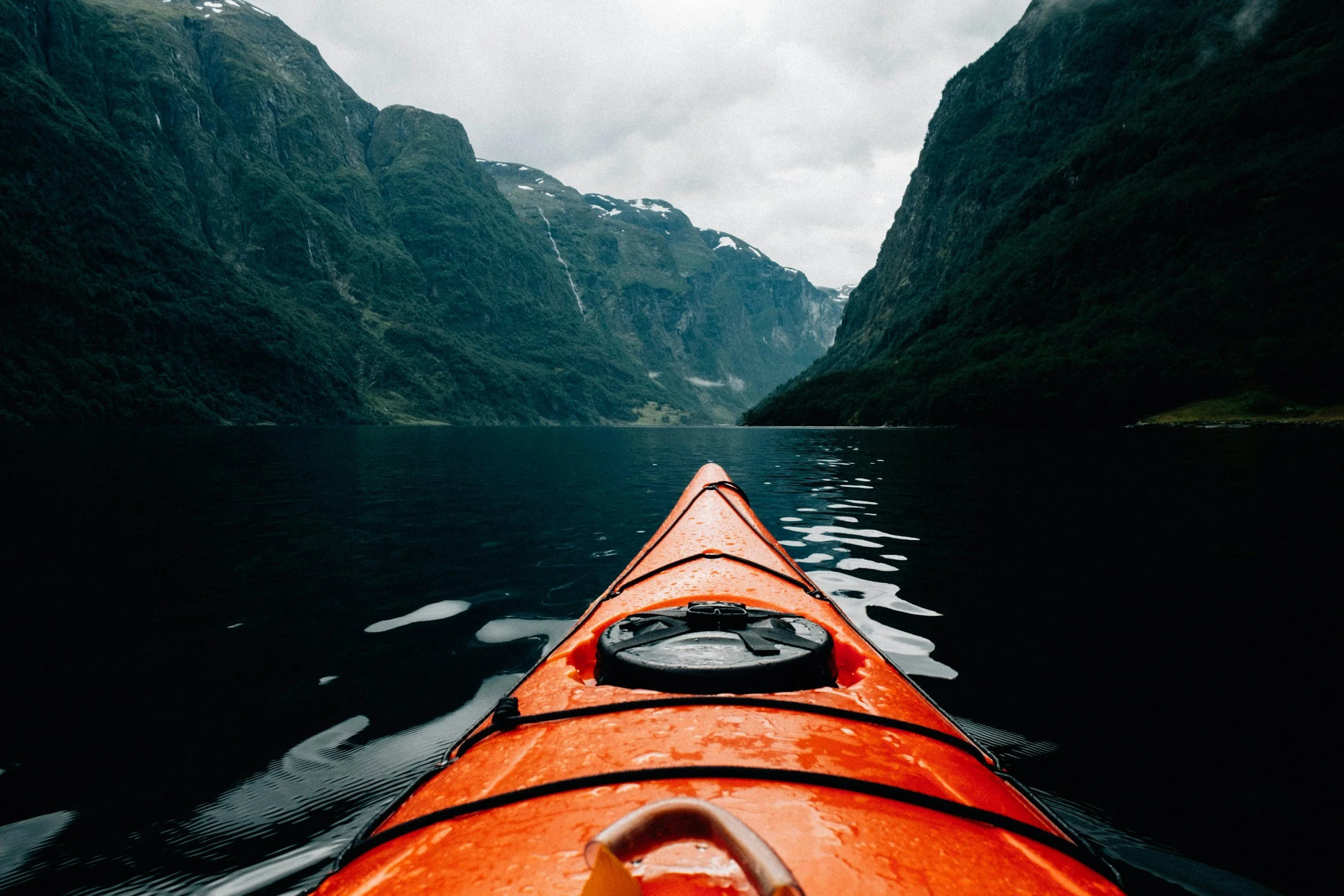
Norway is easy to enjoy independently, but its wild landscapes deserve respect.
Outdoor safety
Conditions can change quickly in the mountains, at sea and in Arctic regions.
Always check local conditions before hiking or driving, carry suitable clothing and avoid continuing simply because an attraction or viewpoint was part of the plan.
Turning back when conditions change is good judgement, not a missed opportunity.
Winter safety
In Northern Norway, cold temperatures, snow, ice and limited daylight can turn an ordinary outing into a more serious undertaking.
Use reputable guides for activities outside your experience level and make sure your travel insurance covers everything you intend to do. FCDO advice recommends insurance appropriate to your itinerary and planned activities.
Healthcare
UK nationals can access state-provided hospital treatment in Norway using a UK passport, and eligible travellers can also use a GHIC or EHIC for medically necessary state healthcare.
Neither replaces comprehensive travel insurance, which remains important for costs such as repatriation and private treatment.
Emergency numbers
110 – Fire
112 – Police
113 – Ambulance
10: Packing Tips
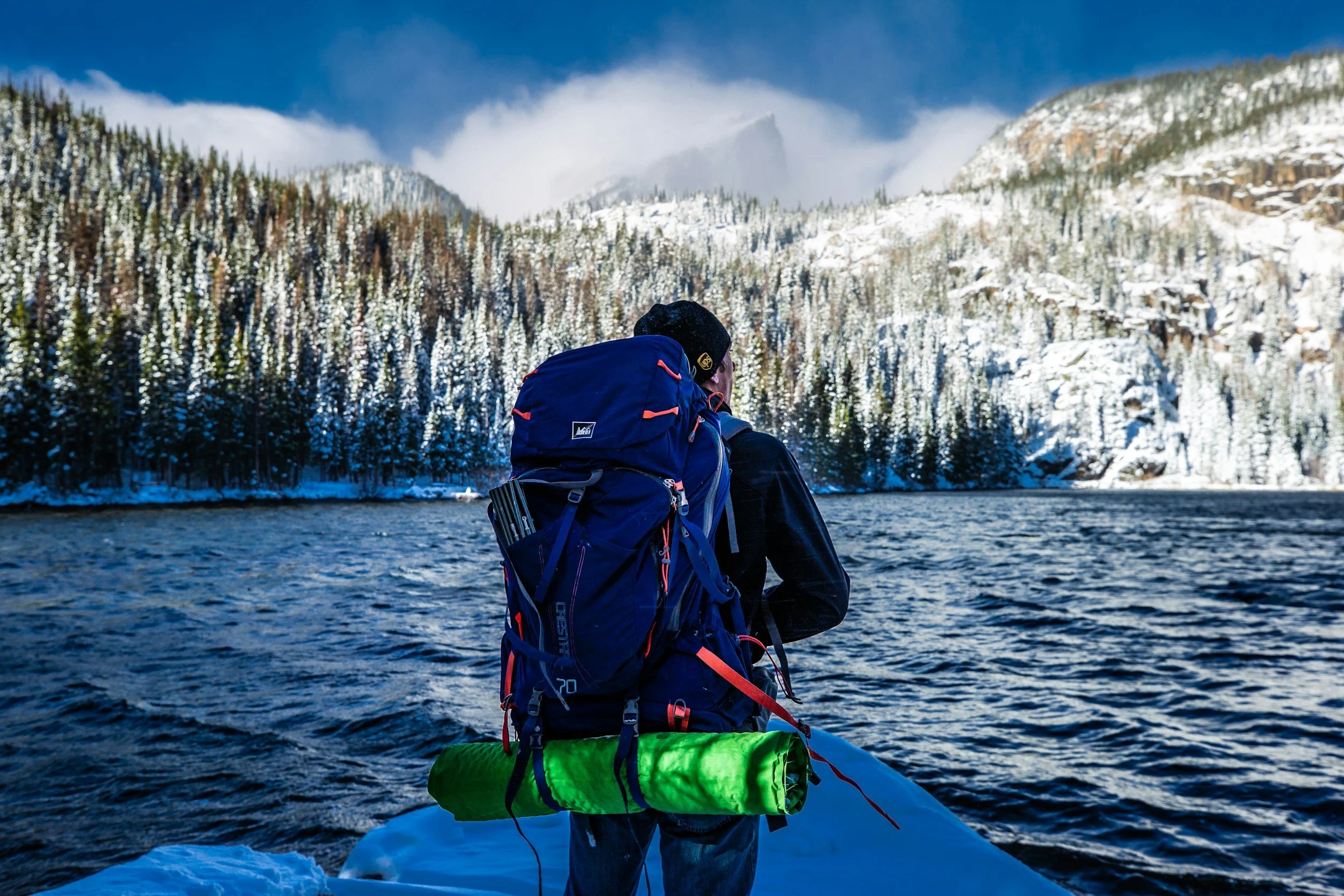
Norwegian weather rewards travellers who pack in layers.
For winter and Arctic Norway
Pack:
Thermal base layers
Warm fleece or wool mid-layers
Insulated outer jacket
Waterproof or snow-resistant trousers
Warm hat
Gloves or mittens
Thermal socks
Waterproof, insulated footwear
Lip balm and moisturiser
Sunglasses
Portable battery pack
UK-to-European plug adaptor
Specialist Arctic excursions may provide thermal suits and boots, so check what is included before buying equipment you may not need.
Family tip
Pack spare gloves and socks for children. Wet clothing cools very quickly in winter.
Photography tip
Cold temperatures drain batteries faster than you might expect, so carry a spare power source and keep devices warm where possible.
Spring, summer and autumn
Pack:
Waterproof jacket
Comfortable walking shoes
Light layers
Warmer fleece or jumper
Sunscreen
Sunglasses
Reusable water bottle
Insect repellent for countryside trips
Sleep mask when travelling during Midnight Sun season
Insider packing rule: even if the forecast looks beautiful, bring the waterproof.
11: Optional Add-Ons & Excursions
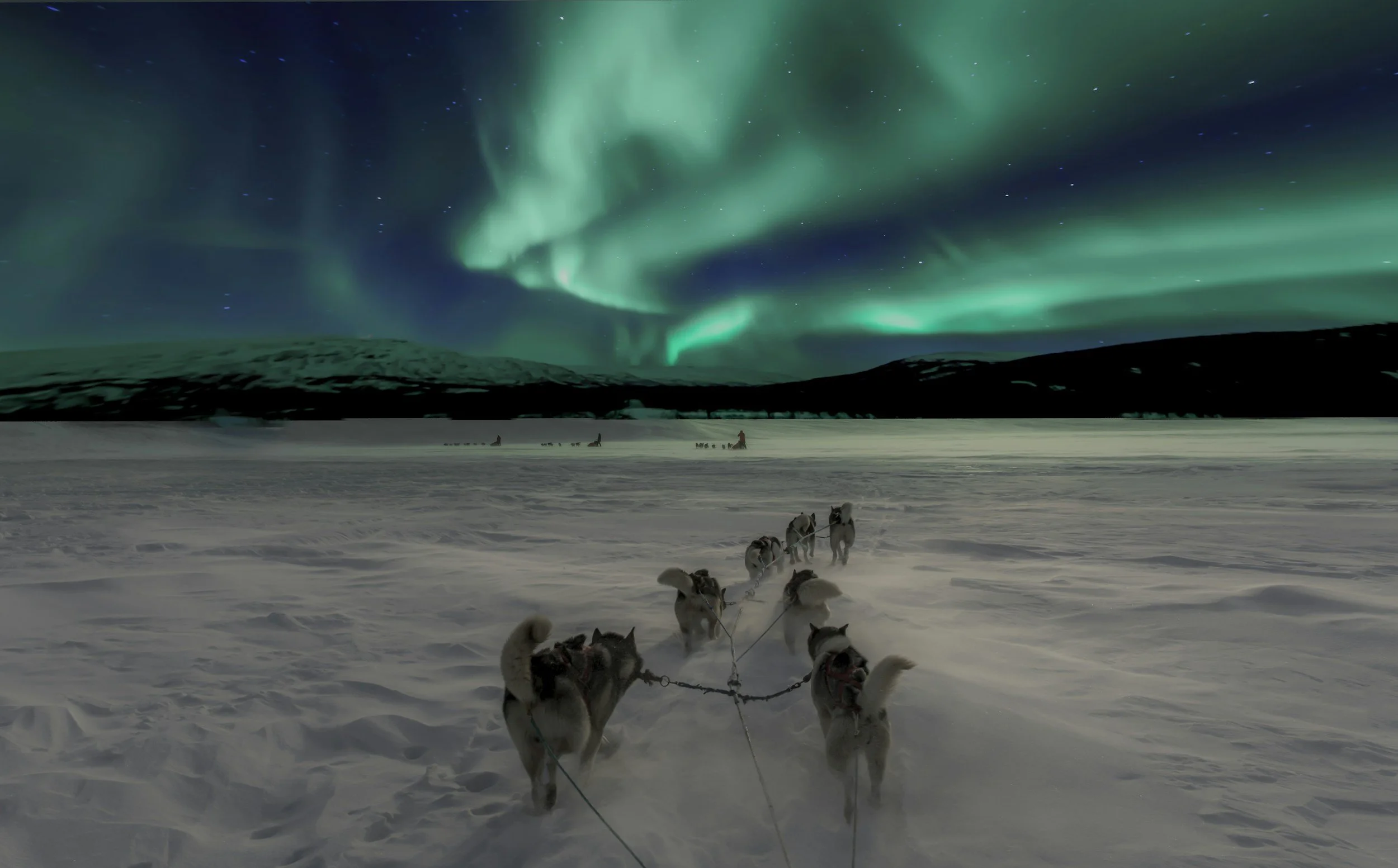
This is where a carefully planned Norway holiday can become something really special.
A fjord-view room
A simple upgrade that can completely change the feel of a stay.
Scenic rail journey
Perfect for slowing the pace and enjoying the landscape without driving.
Private or small-group fjord cruise
Lovely for couples, celebrations and multigenerational families.
Northern Lights excursion
A guided evening can significantly improve your ability to find clearer skies.
Traditional rorbu stay in Lofoten
A memorable way to experience the islands.
Dog sledding
A brilliant Arctic adventure for those looking for something active.
Reindeer and Sámi cultural experience
Choose authentic experiences that treat culture with respect.
Whale-watching trip
A wonderful seasonal addition to a Northern Norway itinerary.
Kayaking the fjords
An unforgettable way to appreciate their scale from water level.
Norwegian coastal voyage
Travel between communities by sea and turn your transfer days into part of the adventure.
A little advice from us
Norway is much larger than it first appears on a map.
Rather than trying to squeeze Oslo, Bergen, the fjords, Lofoten and Tromsø into one short holiday, choose fewer places and experience them properly.
Norway is at its best when there is time to stop at a viewpoint, linger over lunch or change plans because you have discovered somewhere unexpectedly beautiful.
12: Stay Connected
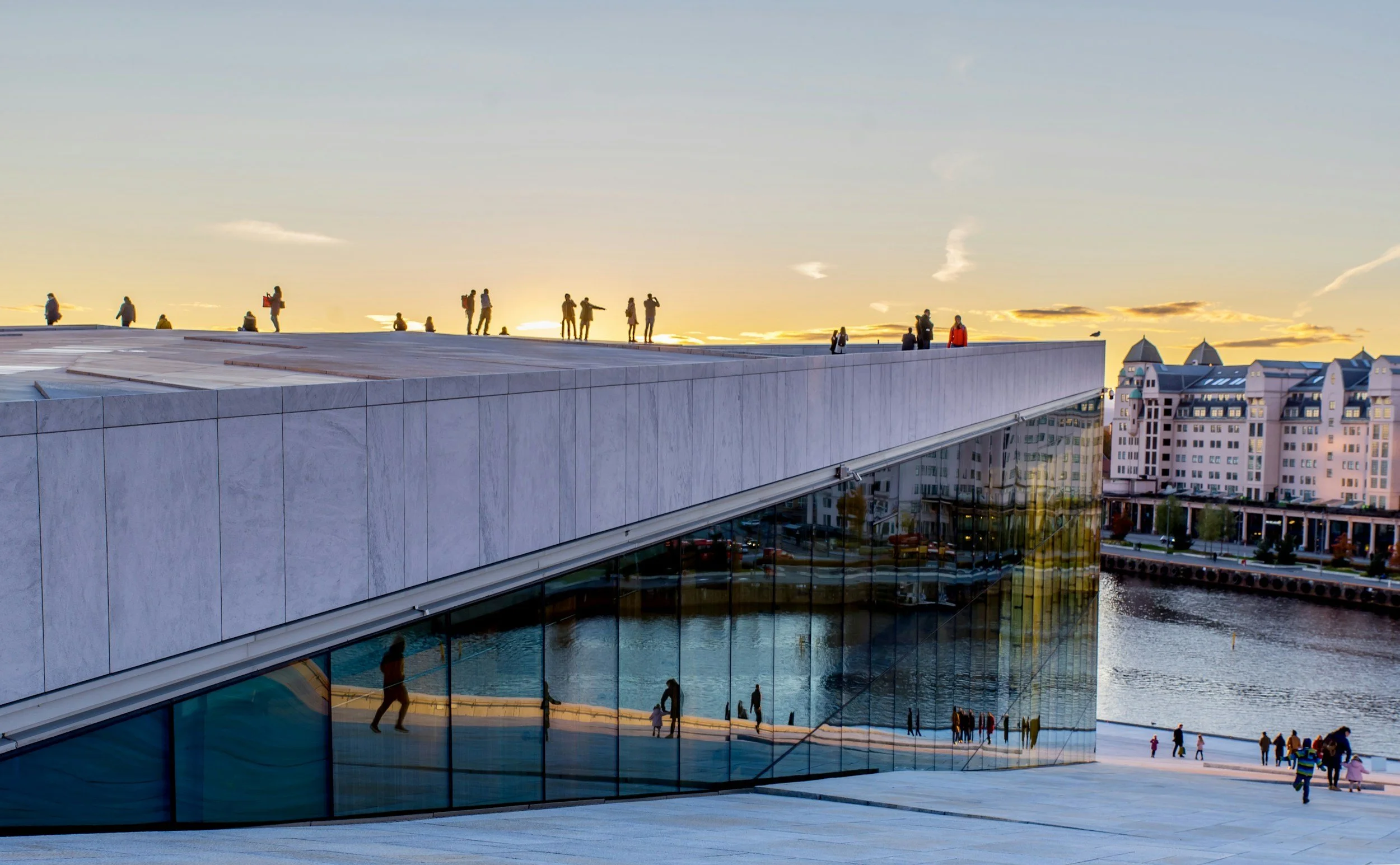
Hotels, cafés and visitor attractions generally provide Wi-Fi, although coverage may naturally become less reliable in remote mountain and Arctic areas.
Check your UK mobile provider's Norway roaming policy before travelling, as post-Brexit arrangements differ between networks.
For longer trips, an eSIM or local data option can be useful.
Useful apps to have ready
Entur – national public transport planning
Yr – Norwegian weather forecasts
Your airline's app
Your accommodation and excursion confirmations
Offline maps
An aurora forecast app if travelling north
Entur covers numerous forms of transport including buses, trains, trams, ferries and metro services.
Download important documents before heading into remote areas rather than assuming you will always have a signal.
13: Our Support While You’re Away
From the moment your journey begins, you are not simply sent on your way.
Your holiday is fully supported through The Independent Travel Consultants, with access to 24/7 assistance should you need help while you are travelling.
Your booking also benefits from the relevant ATOL and PTS protection, giving you additional reassurance around your holiday arrangements.
Whether you encounter a flight change, a problem with your accommodation or simply need guidance while you are away, knowing there is support behind your booking can make all the difference.
14: Nordic Travel Table’s Insider Tip
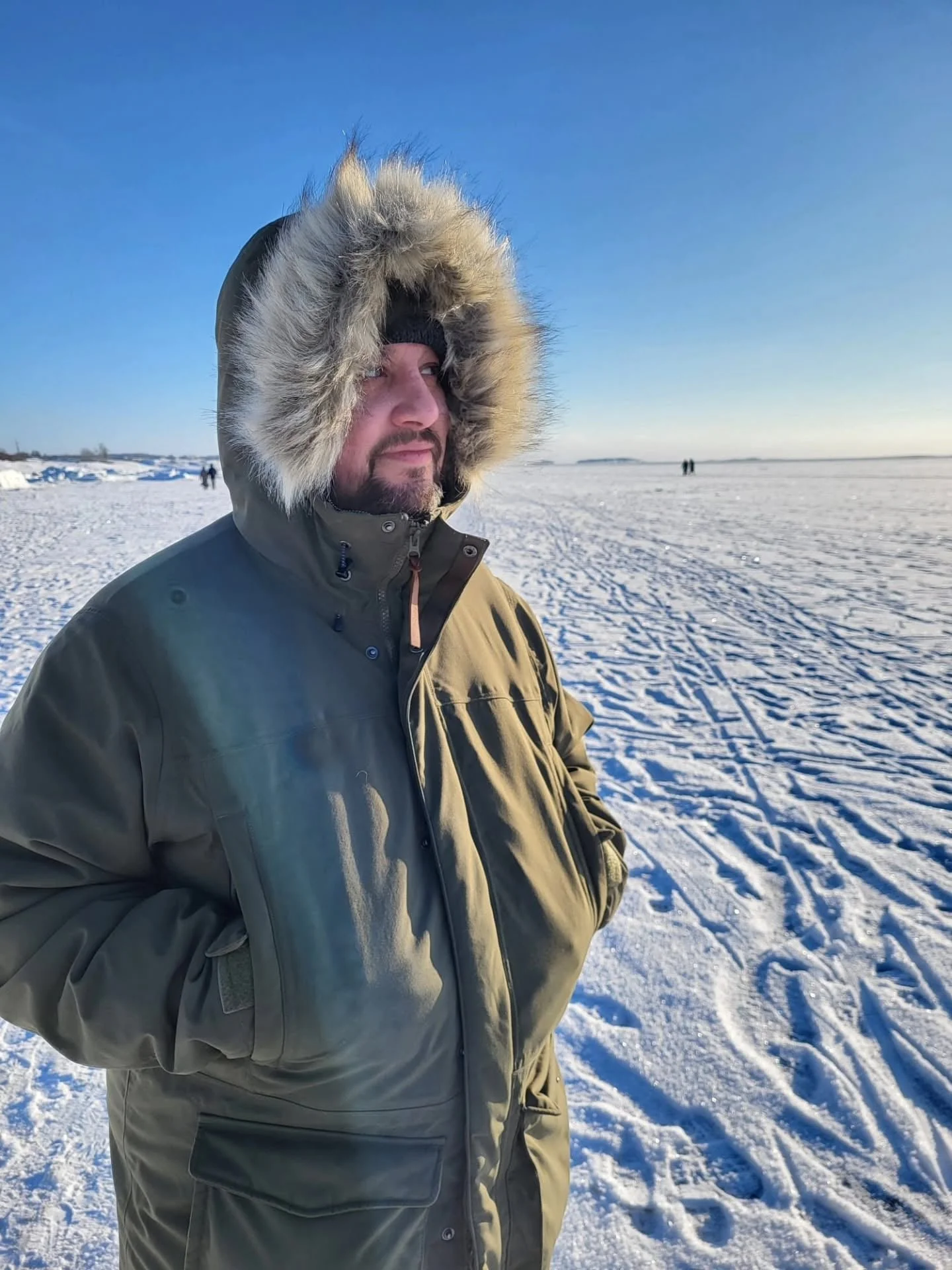
Mike Marolia, owner of Nordic Travel Table says:
Norway rewards travellers who resist the temptation to rush. Pick the places that excite you most and give them enough time. One of our favourite ways to experience the country is to make the journey part of the holiday — take the scenic train, travel by ferry or drive slowly beside the fjords rather than always choosing the quickest route. And wherever you stay, step outside in the evening. Whether it is a summer sky that never quite goes dark or an Arctic night with the possibility of the Northern Lights, some of Norway's most memorable moments happen when nothing at all was scheduled.
15: Thank You & Your Next Adventure
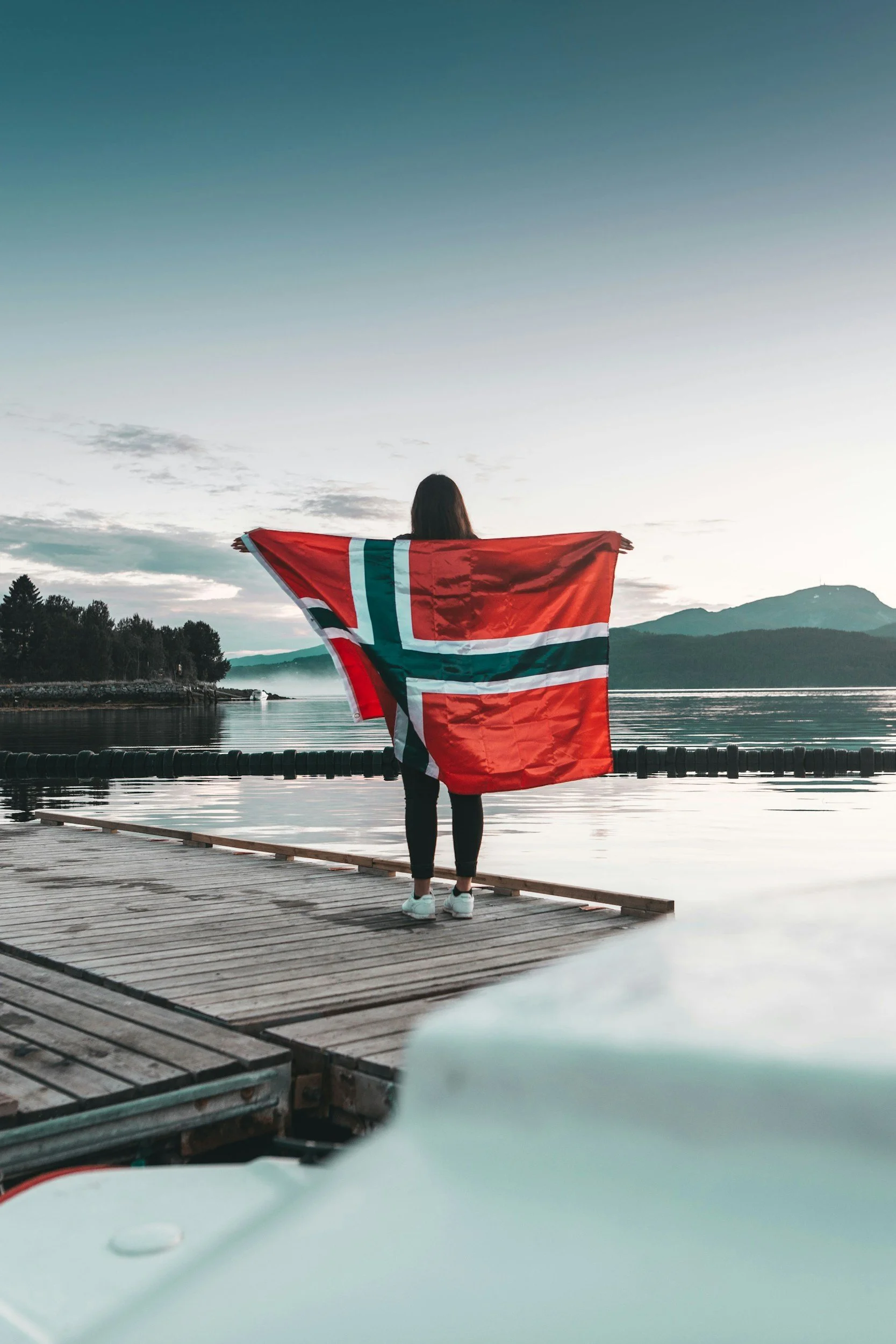
Takk — thank you!
We hope Norway gives you everything you are looking for: beautiful scenery, fresh air, exciting adventures and plenty of time together — or simply some precious time for yourself.
Perhaps your favourite memory will be standing beside a fjord, watching the Northern Lights appear above Tromsø, sharing a family adventure in the snow, waking in a little cabin in Lofoten or watching mountains drift past the train window.
Whatever your Norway moment turns out to be, we would love to hear about it when you return.
And when the next adventure begins calling — another Nordic journey, a summer road trip, a winter escape or somewhere completely different — your travel consultant will be here to help bring it to life.
Thinking about your own Norwegian adventure?
Get in touch today and lets start planning your package or tailor-made holiday!