
Destination Guide: Denmark
Easy-going cities, coastal beauty and a little everyday hygge
1: Country Overview
Welcome to Denmark – a place where colourful waterfronts, creative cities, historic castles and beautiful coastlines come together with an effortlessly relaxed way of life.
Whether your perfect break involves cycling through Copenhagen, lingering over coffee and pastries, exploring Viking history or escaping to wide sandy beaches, Denmark makes it wonderfully easy to travel at your own pace and feel at home.
2: Quick Facts at a Glance
Capital: Copenhagen
Language: Danish. English is widely spoken, particularly in visitor areas.
Currency: Danish krone (DKK / kr.)
Time zone: Denmark is usually 1 hour ahead of the UK.
Electricity: 230V, 50Hz. UK travellers will need a continental two-pin adaptor.
Flight time from the UK: Around 1 hour 45 minutes–2 hours for many direct UK–Copenhagen services.
Entry requirements for British citizens: Denmark is in the Schengen area. British visitors can normally travel visa-free for up to 90 days in any 180-day period. Your passport must meet Schengen validity rules, including being issued less than 10 years before arrival and expiring at least three months after you plan to leave the Schengen area.
EES: The European Entry/Exit System is now in operation, so British travellers may be asked to register biometric information at the border. Allow additional time for passport control.
ETIAS: At the time of writing (August 2026), ETIAS is not yet in operation - but this is expected to change shortly in line with much of the EU.
Emergency services:112
Non-emergency police:+45 114
Entry rules can change, so always check the latest advice shortly before travel.
3: When to Go
Spring — March to May
A lovely choice for sightseeing, gardens and quieter city breaks. Days gradually become longer, although layers and a waterproof jacket are still worthwhile.
Summer — June to August
Long daylight hours, outdoor dining, beaches and festivals make this the liveliest season. It is also the busiest period, so popular hotels and experiences are best booked early.
Autumn — September to November
Expect cooler temperatures, changing colours and a more relaxed feel. It is an excellent time for museums, food experiences and cosy cafés.
Winter — December to February
Cold, dark and wonderfully atmospheric. Christmas markets, candles and festive Tivoli make Copenhagen particularly appealing in December.
Events to Look Out For
Depending on your travel dates, Denmark's calendar can include Copenhagen Jazz Festival, Roskilde Festival, Aarhus Festuge and midsummer celebrations.
4: Getting There & Getting Around
Flying from the UK
Copenhagen is Denmark's main international gateway, with direct services from London and a number of regional UK airports. Billund is another useful option, particularly for Jutland and LEGOLAND.
Flight schedules change seasonally, so we can help find the most convenient route for your dates.
From Copenhagen Airport
The Metro and regional trains connect the airport with central Copenhagen in around 15 minutes, making transfers refreshingly straightforward. Taxis are also readily available.
Around Copenhagen
The city is made for exploring:
Metro, trains and buses are frequent and easy to use.
Harbour buses offer a lovely alternative view from the water.
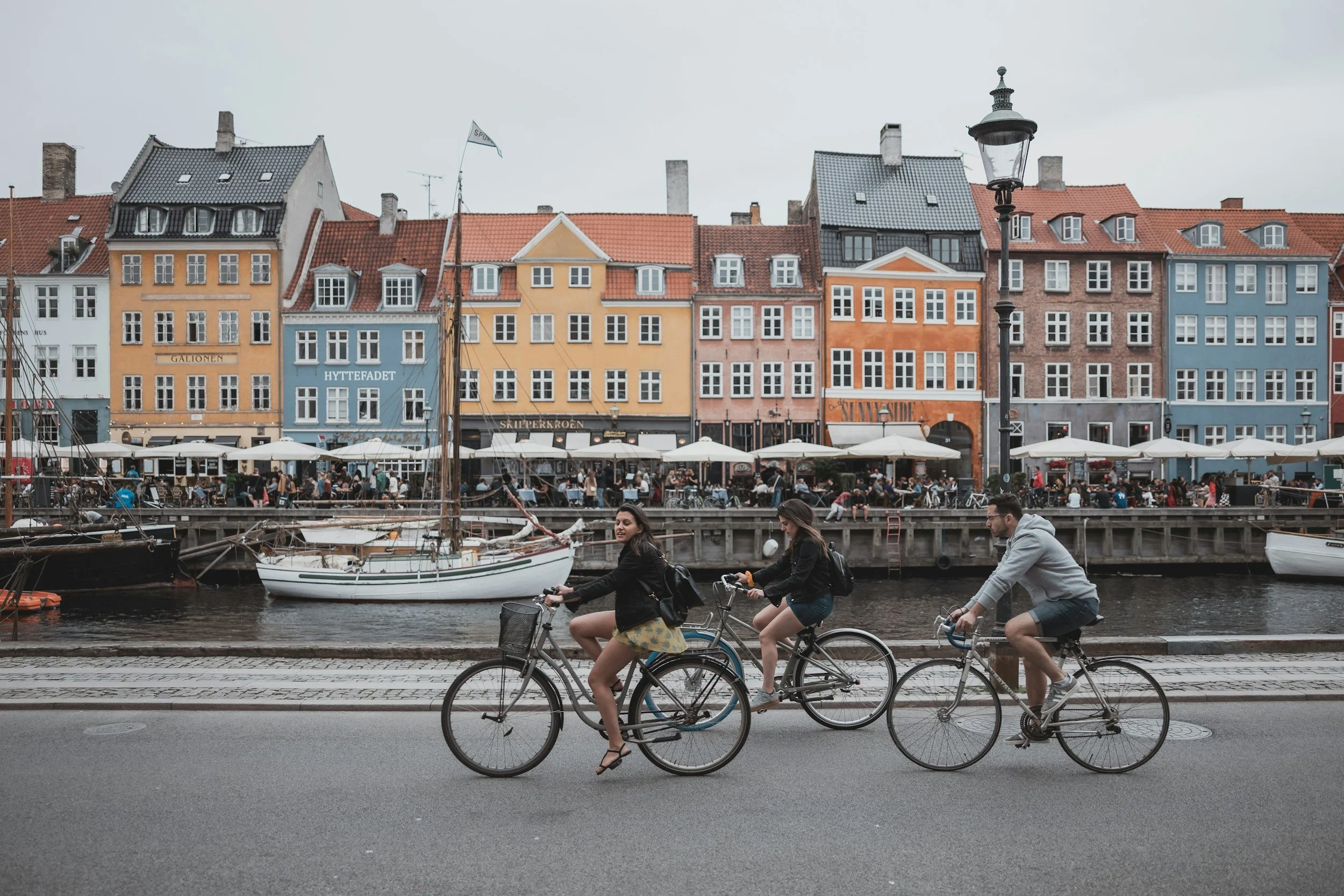
Cycling is part of everyday life – hire a bike if you feel confident, but take time to understand local cycling rules first.
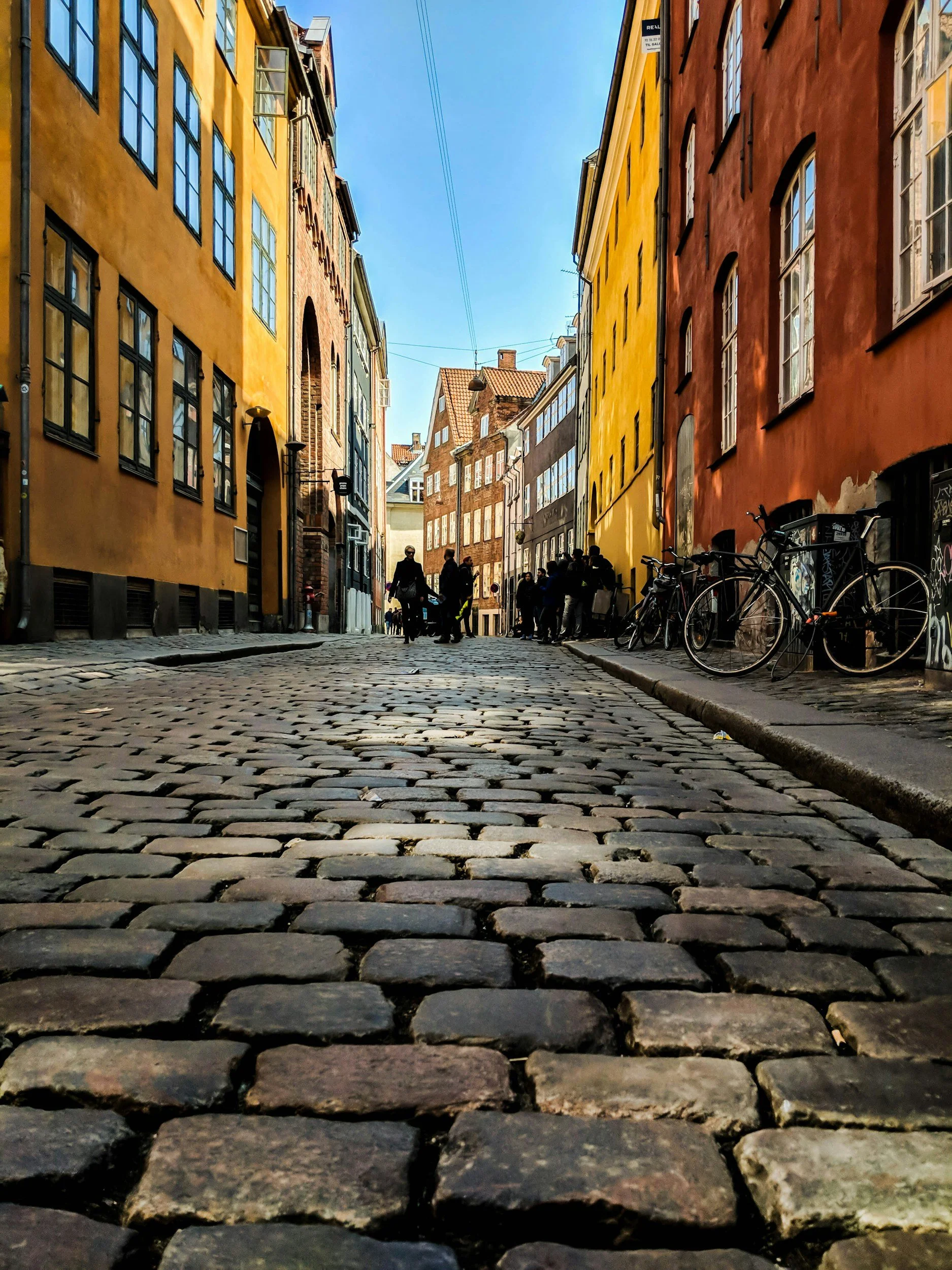
Copenhagen is very walkable, although cobbled streets can make comfortable footwear essential.
Travelling Further
Denmark has an excellent network of trains, buses and ferries. Copenhagen to Odense takes around 1½ hours by train, while Aarhus is around 3 hours.
Accessibility note: Modern public transport and many major attractions offer good accessibility, but older buildings and cobbled historic areas can vary. If you have particular mobility or assistance requirements, planning ahead can make the journey much smoother.
5: Top Experiences & Must-Sees
Copenhagen & Nyhavn
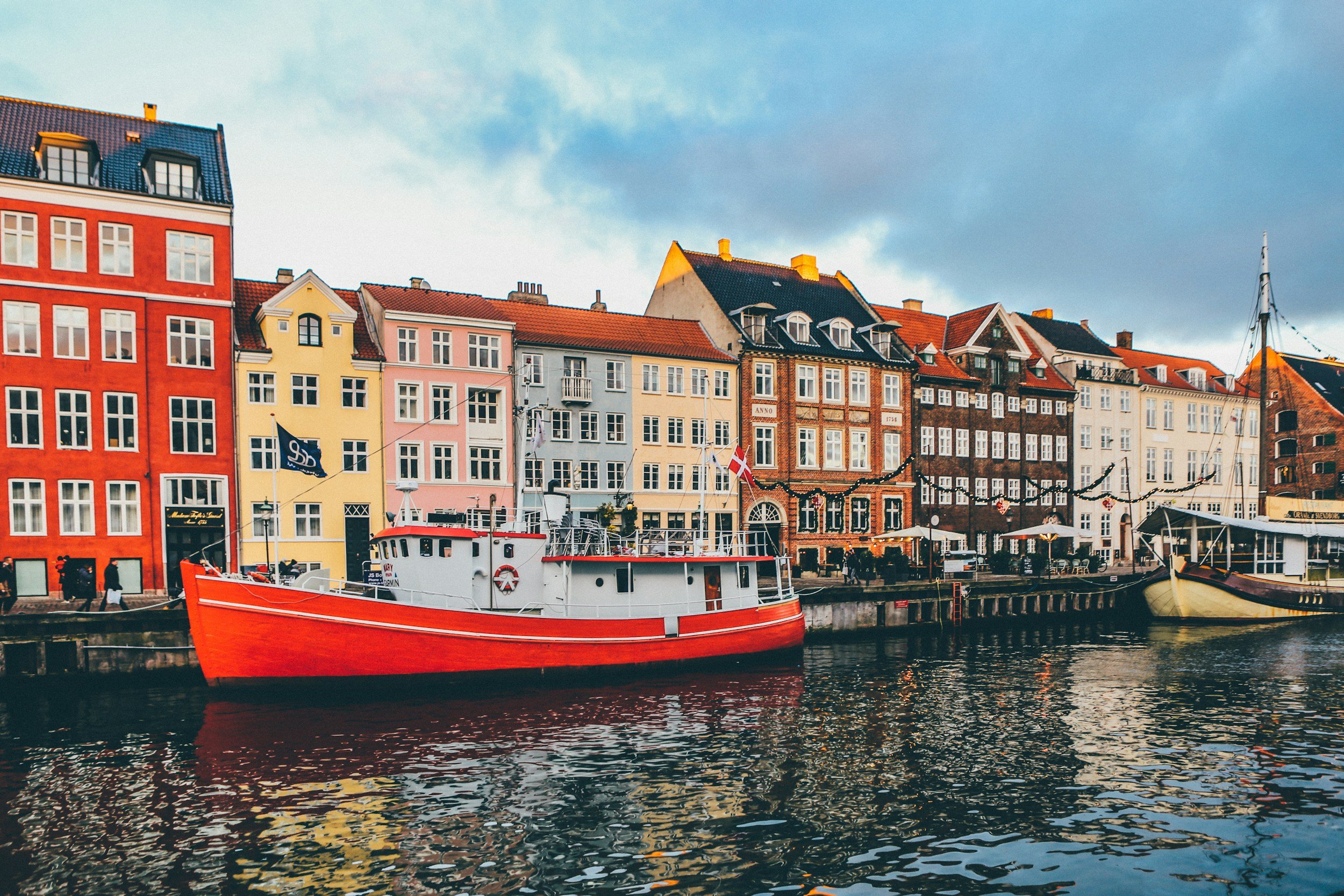
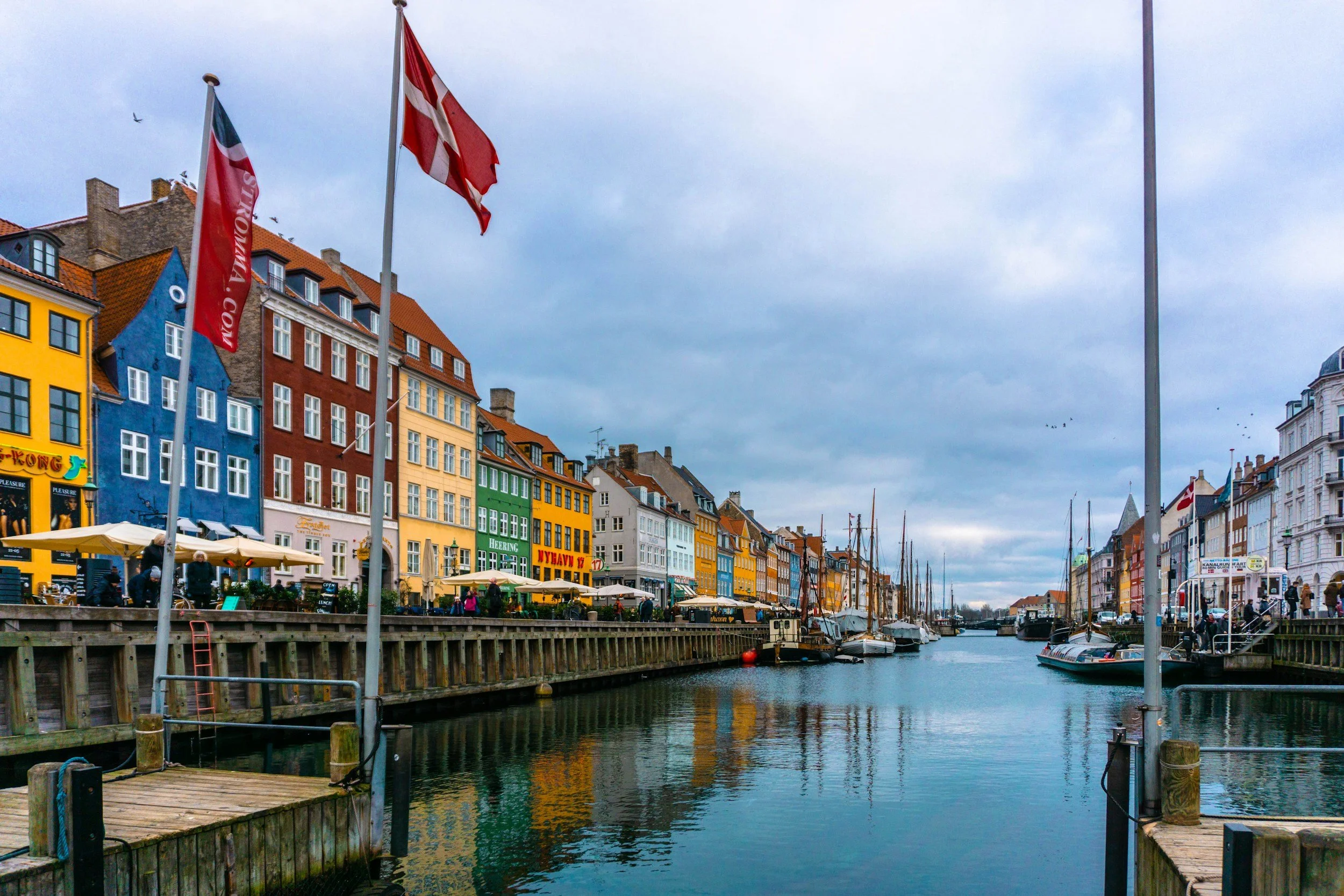
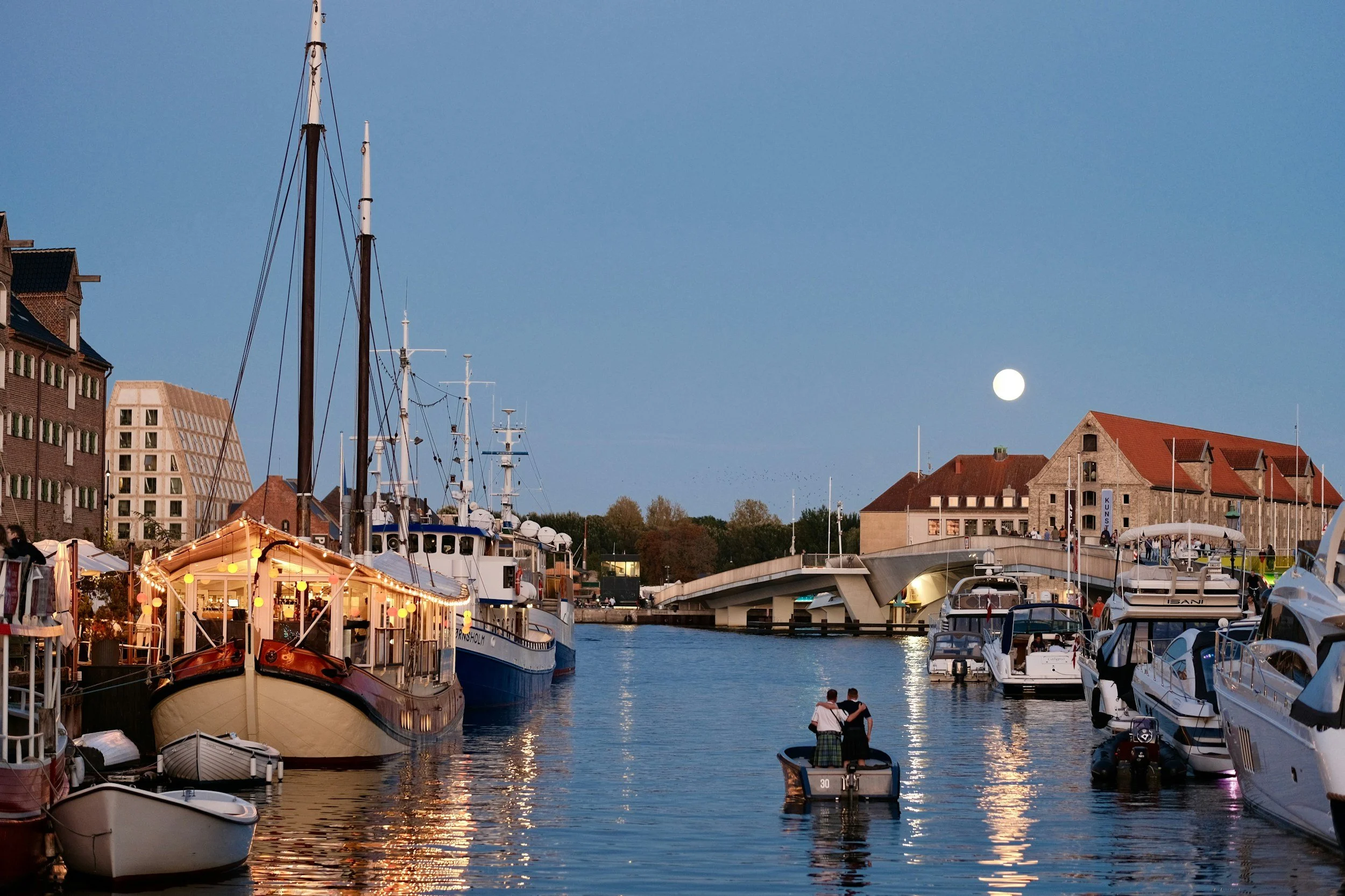
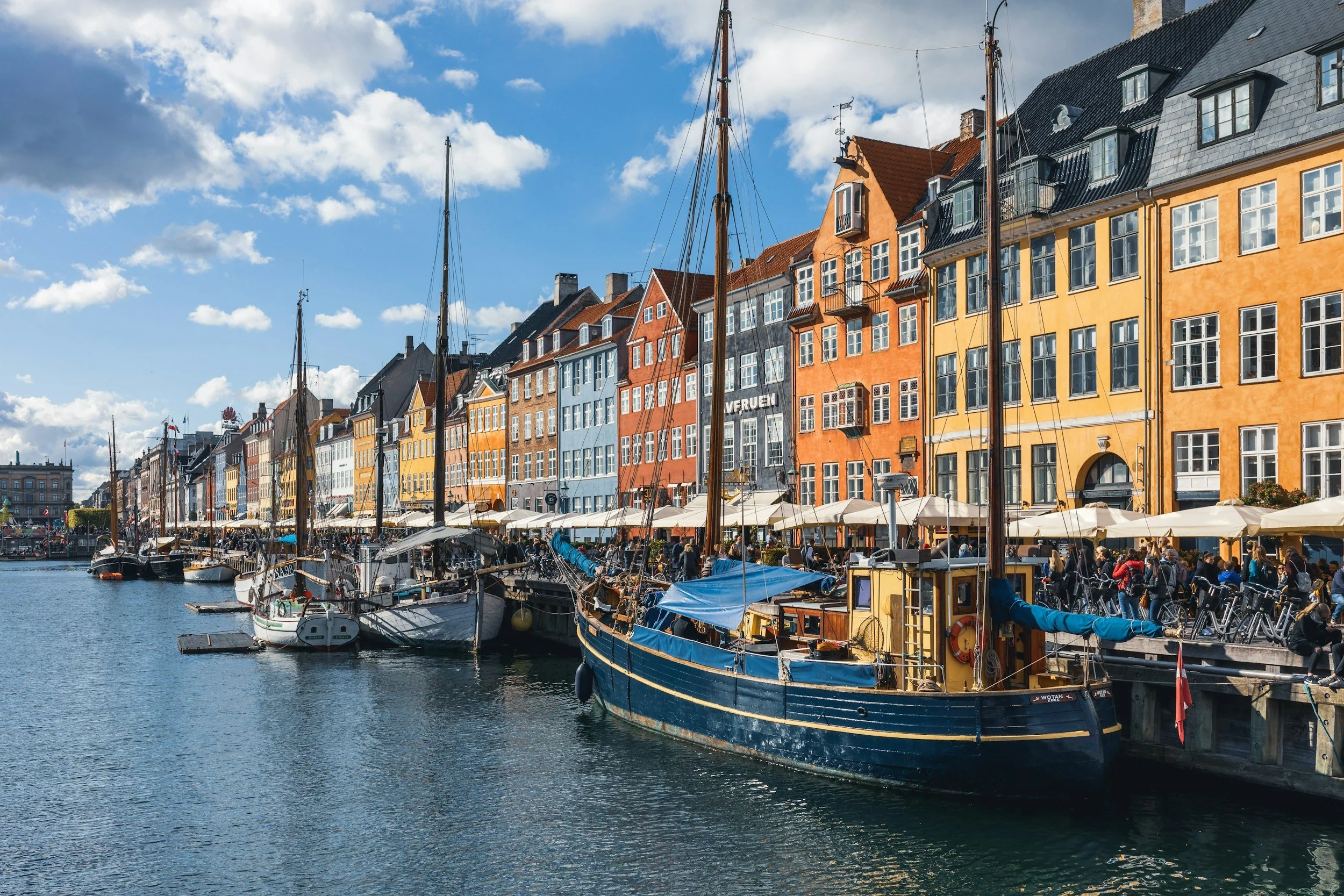
Stroll beside Nyhavn's colourful houses, explore independent shops and cafés, visit royal palaces and take a canal cruise for a relaxed introduction to the capital.
Tivoli Gardens
One of Copenhagen's best-loved attractions combines gardens, restaurants, performances and rides. It works just as beautifully for couples and adults as it does for families.
Danish Castles
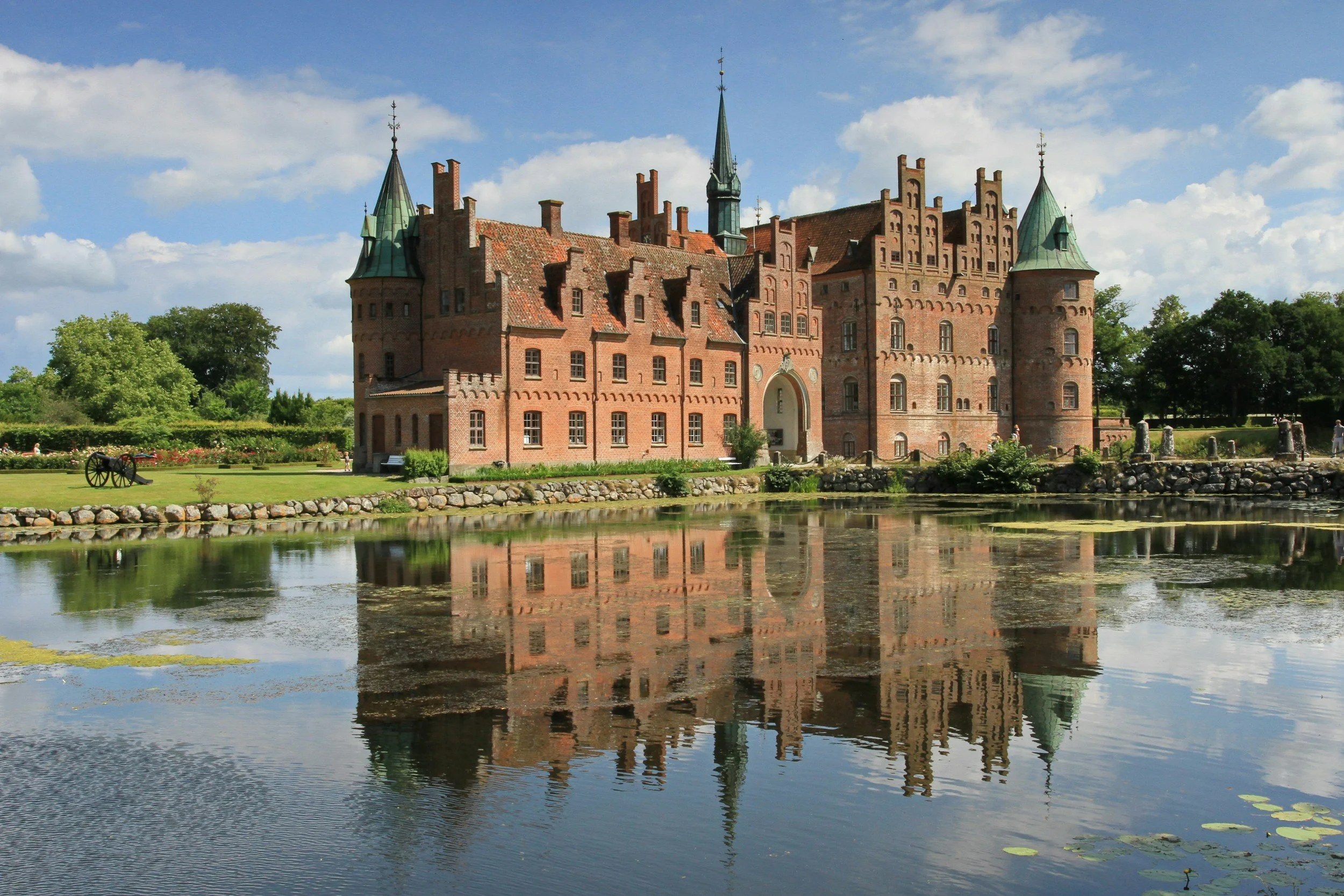
Head north from Copenhagen to discover impressive royal history at places such as Kronborg Castle and Frederiksborg Castle or head west to visit Egeskov Castle (pictured left).
Aarhus
Denmark's vibrant second city blends contemporary culture with history. Highlights include ARoS art museum, the atmospheric Latin Quarter and Den Gamle By open-air museum or perhaps even a spot of bathing in the harbour.
LEGOLAND Billund
An easy favourite for families – and anyone with a soft spot for LEGO. Consider adding an overnight stay rather than squeezing everything into a rushed day trip.
Denmark's Coast & Countryside
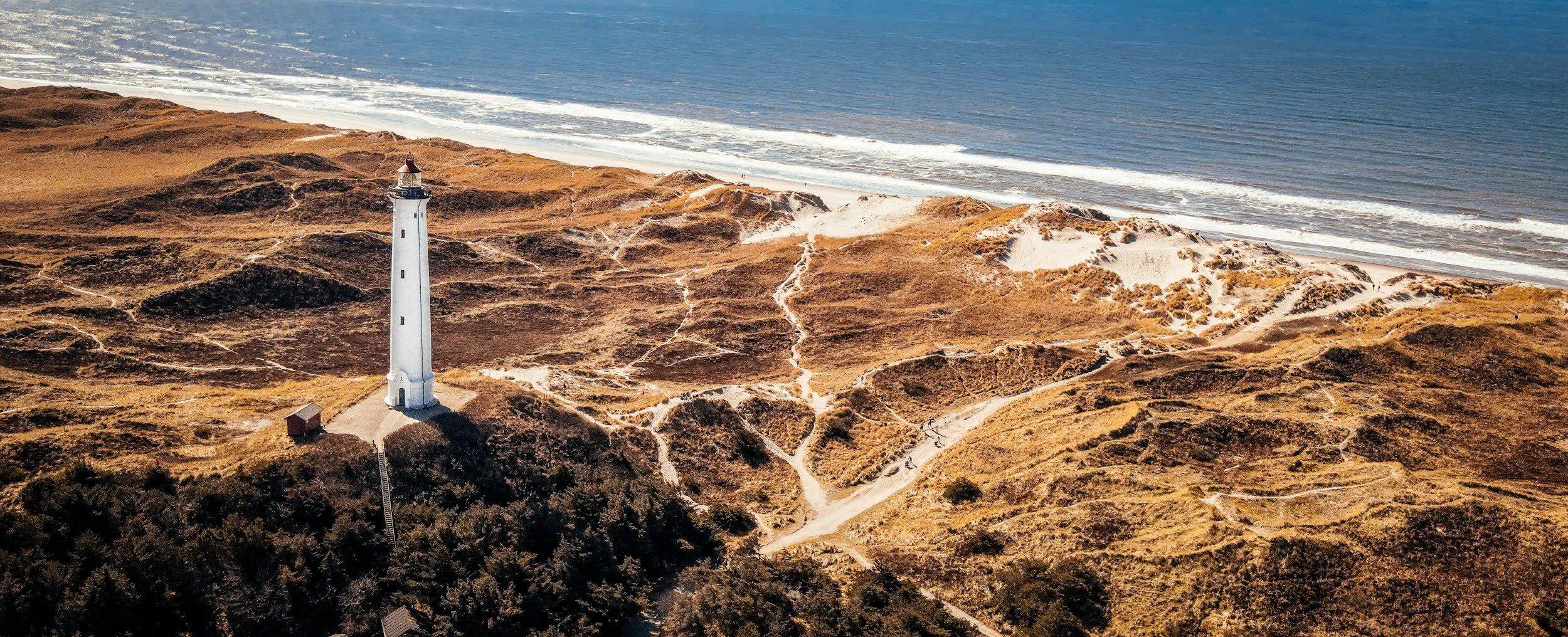
Make time beyond the cities. Møns Klint's dramatic white cliffs, North Jutland's beaches and artistic Skagen offer a completely different side of Denmark.
6: Food & Drink
Danish food is fresh, simple and often beautifully presented.
Look out for:
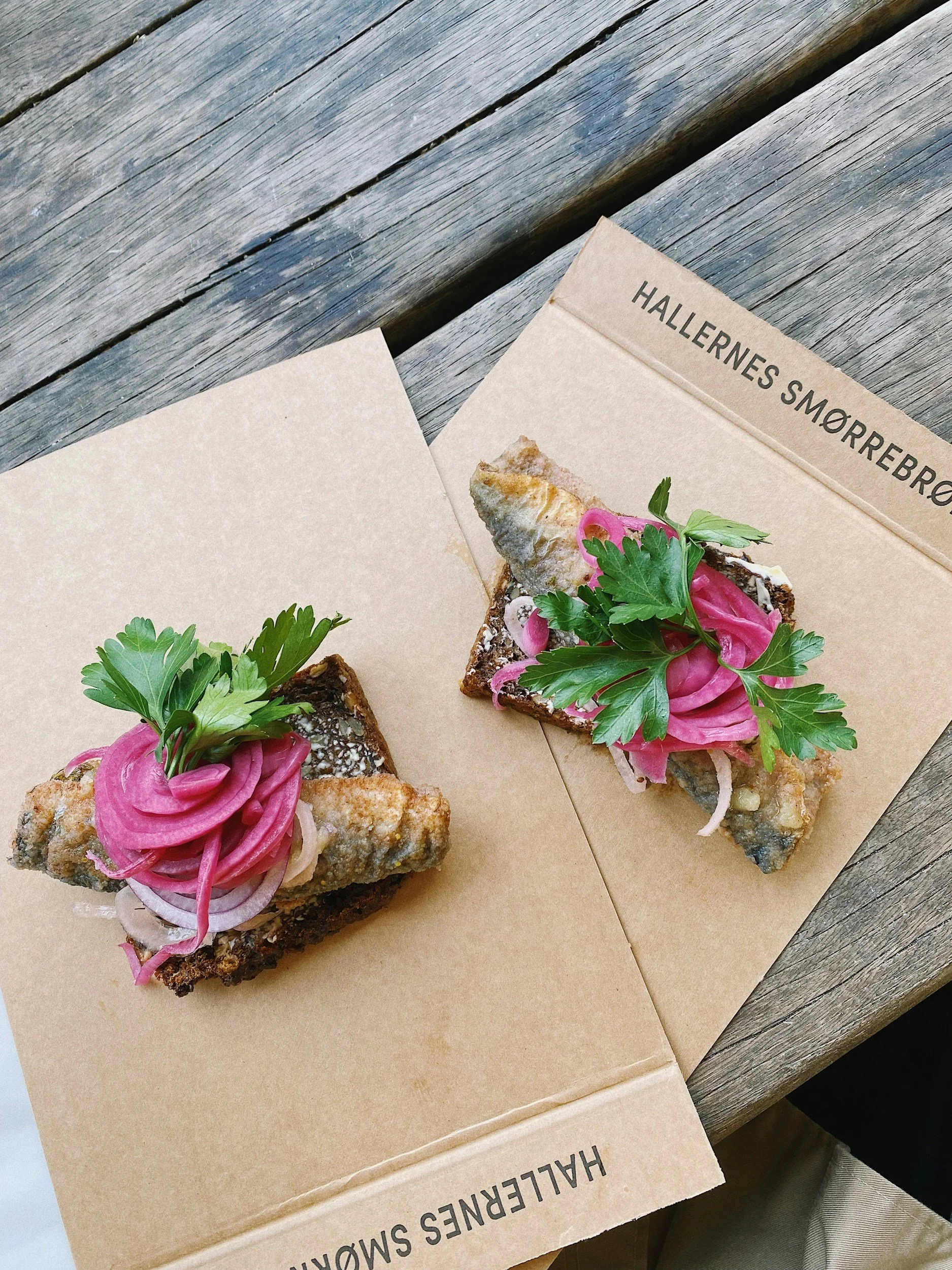
Smørrebrød: traditional open sandwiches with combinations of fish, meat, egg, cheese and vegetables.
Wienerbrød: the Danish pastry – best enjoyed fresh from a bakery.
Frikadeller: traditional Danish meatballs.
Fresh seafood: particularly herring and other locally caught fish.
Danish hot dogs: a surprisingly essential Copenhagen snack.
New Nordic cuisine: Denmark has an internationally recognised contemporary dining scene.
Vegetarian, vegan and allergy-aware options are increasingly common, particularly in larger cities. If you have specific dietary needs, we can also help recommend suitable dining experiences before you travel.
A little local pleasure: Find a neighbourhood bakery in the morning, order something freshly baked and give yourself permission not to rush anywhere.
7: Culture & Etiquette
Danish culture tends to value equality, consideration for others and personal space.
Punctuality is appreciated.
Queue politely and respect cycle lanes – they are very much part of the road network.
Dress is generally relaxed and understated, although smart restaurants may call for something a little more polished.
English is widely spoken, but a simple “tak” – thank you – is always appreciated.
Denmark is generally open and welcoming to LGBTQ+ travellers.
Families are well catered for in many public spaces, restaurants and attractions.
One of the pleasures of Denmark is hygge – a feeling of comfort, warmth and enjoying good company or simple pleasures. You will understand it far better over coffee and cake than through any dictionary definition.
8: Money Matters
Denmark uses the Danish krone, not the euro.
Cards and contactless payments are extremely common, and some cafés and shops operate without cash. It is still sensible to travel with more than one payment method.
Costs
Denmark can feel relatively expensive compared with many European destinations, particularly when eating and drinking out. Allow a comfortable budget for restaurants, cafés and attractions rather than trying to squeeze too much into each day.
Tipping
Service charges are generally included in restaurant, hotel and taxi prices. Tipping is not expected, although you are welcome to leave something extra when service has been particularly good.
Tip: When paying by card, choosing to pay in Danish kroner rather than accepting an automatic sterling conversion will often give you greater visibility over the exchange rate being used.
9: Safety & Health
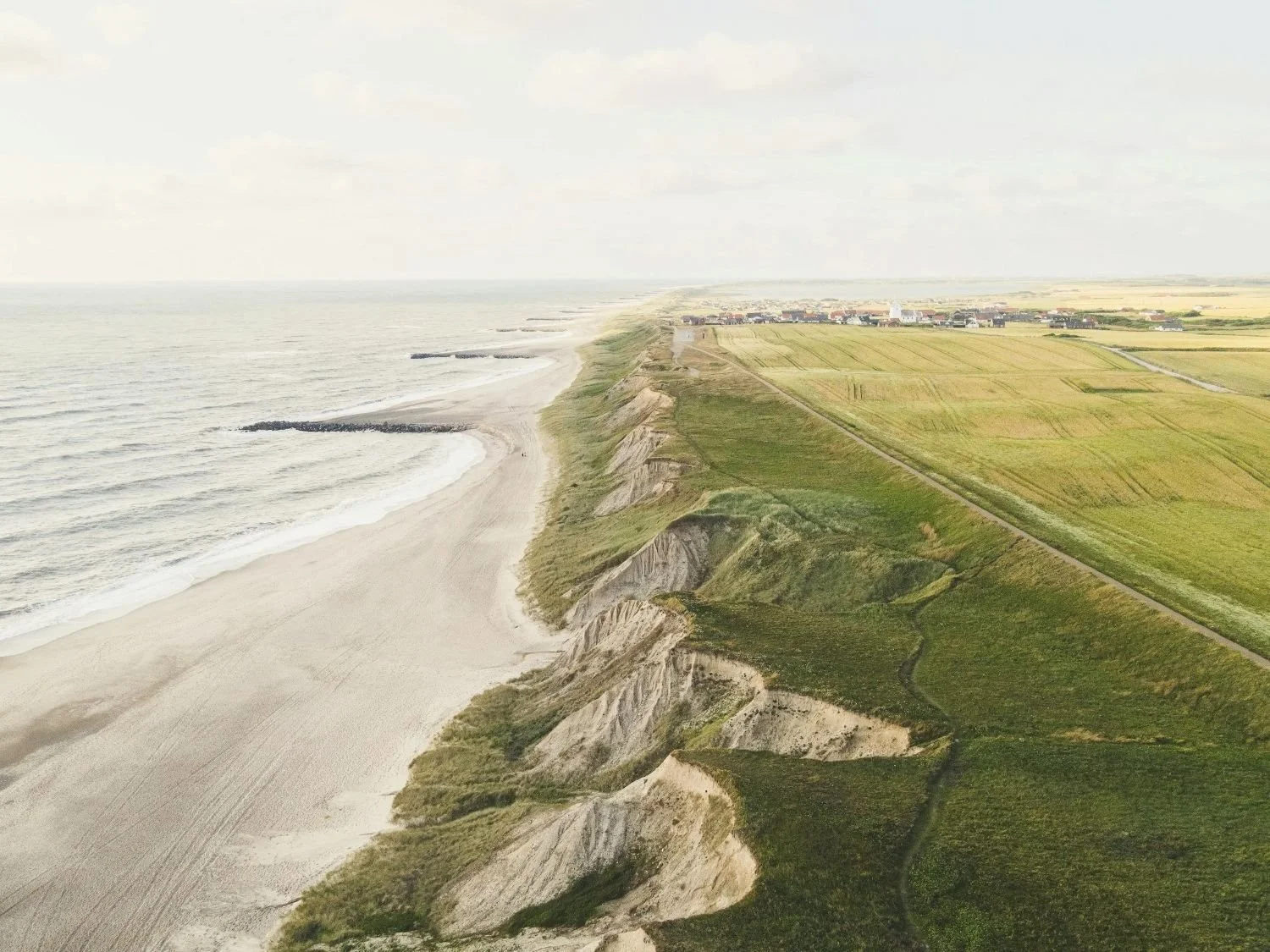
Denmark generally has low levels of crime, but normal city precautions still matter.
Keep phones, wallets and passports secure in busy areas.
Be particularly alert to pickpocketing around Copenhagen Central Station, Nørreport, Nyhavn, Strøget and other crowded visitor areas.
Watch for bicycles before stepping into or across a cycle lane.
Keep an eye on drinks and belongings on nights out, as you would at home.
Emergency services: 112.
Non-emergency police: +45 114.
Healthcare
Eligible UK travellers should carry a valid GHIC or EHIC for medically necessary state healthcare in Denmark. This does not replace comprehensive travel insurance.
Travel with enough prescribed medication for your stay and keep essential medicines in your hand luggage where appropriate.
10: Packing Tips
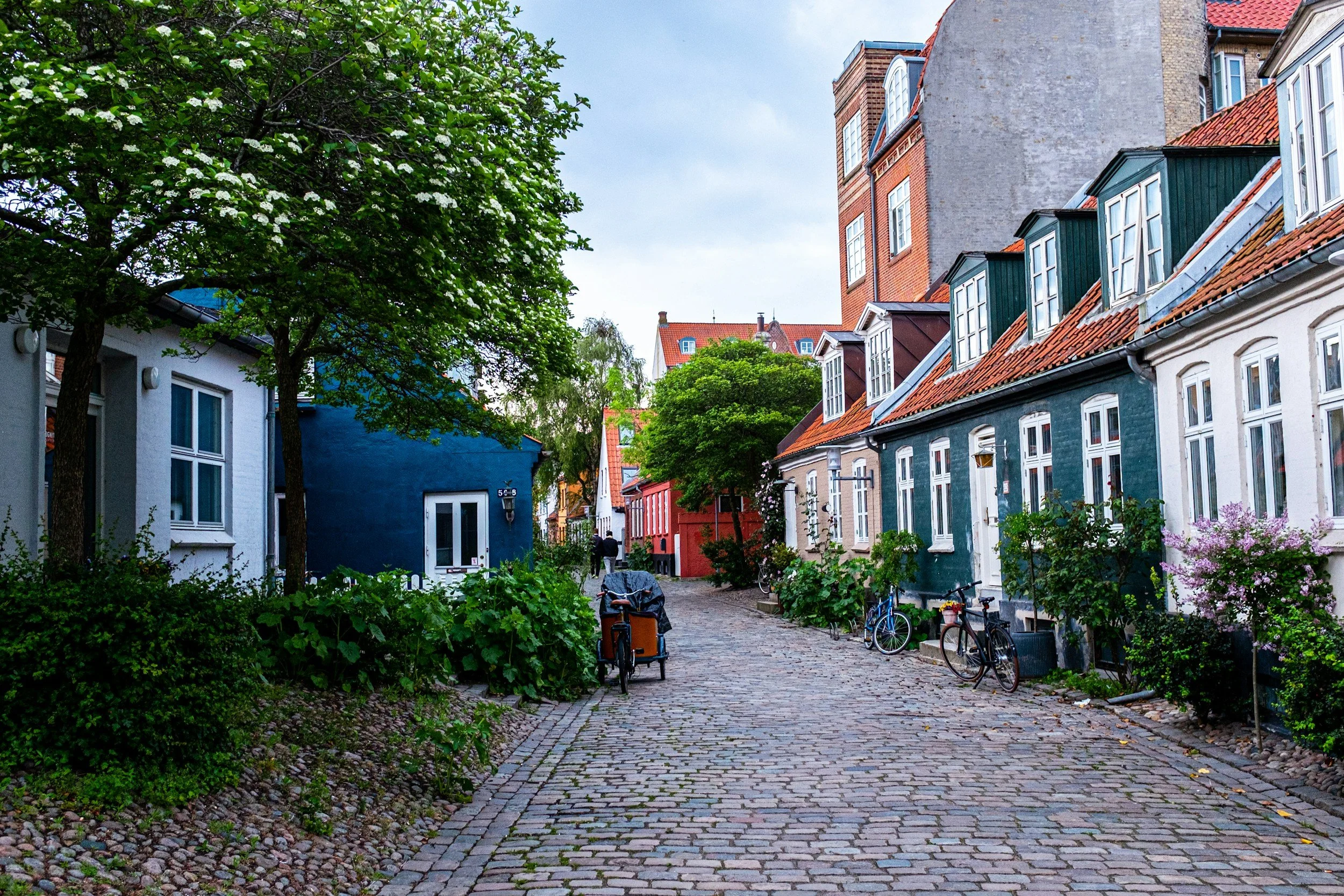
Year-Round Essentials
Comfortable walking shoes
Lightweight waterproof jacket
UK-to-Europe two-pin plug adaptor
Portable charger
Refillable water bottle
Small cross-body or zipped bag for sightseeing
Summer
Pack light layers, sunglasses and sun protection. Even warm days can turn cooler near the coast or in the evening.
Winter
Bring a warm coat, waterproof footwear, hat, scarf and gloves. Layering is the easiest way to stay comfortable between chilly streets and cosy indoor spaces.
Insider Packing Tip
Bring one outfit you feel particularly good in. Copenhagen's stylish restaurants and bars rarely feel overly formal, but having something smart and comfortable gives you plenty of flexibility.
11: Optional Add-Ons & Excursions
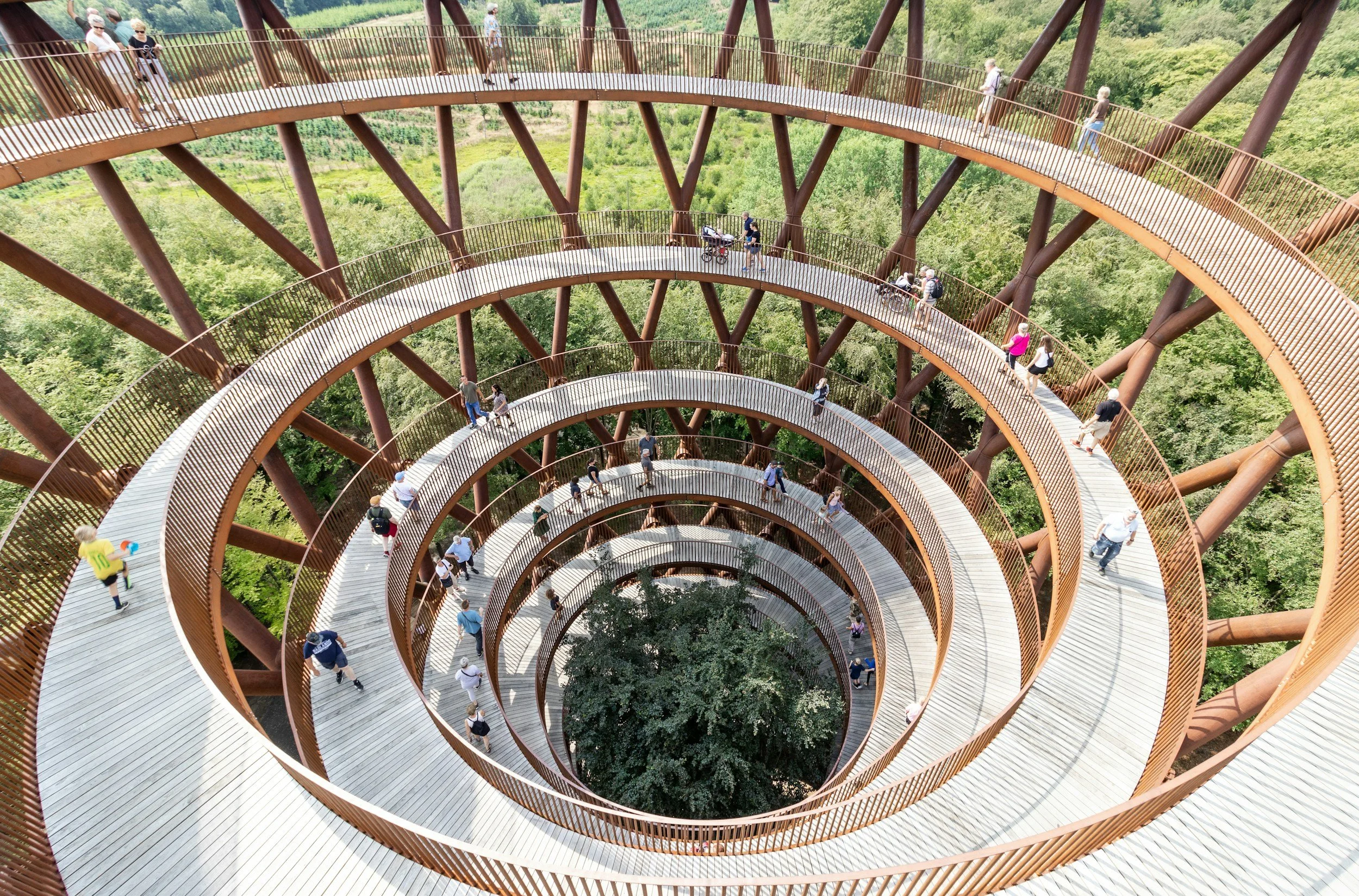
A few well-chosen extras can turn a lovely trip into something really memorable.
Copenhagen canal cruise: An easy first-day experience and a relaxed way to get your bearings.
North Zealand castle tour: Combine Kronborg and Frederiksborg for a day of royal history.
Malmö, Sweden: Cross the Øresund for an easy two-country experience from Copenhagen.
Food tour: A friendly introduction to Danish flavours and neighbourhoods.
Private Copenhagen walking tour: Ideal if you prefer a slower pace, have particular interests or want something tailored to your group.
Aarhus extension: Add a few nights rather than seeing only the capital.
Billund stay: Perfect for making LEGOLAND part of the holiday rather than a hurried excursion.
Countryside or coastal escape: Pair Copenhagen with one of Denmark's quieter islands, beaches or small towns.
Ask your us about adding experiences in advance – the best options can sell out during busy dates.
12: Stay Connected
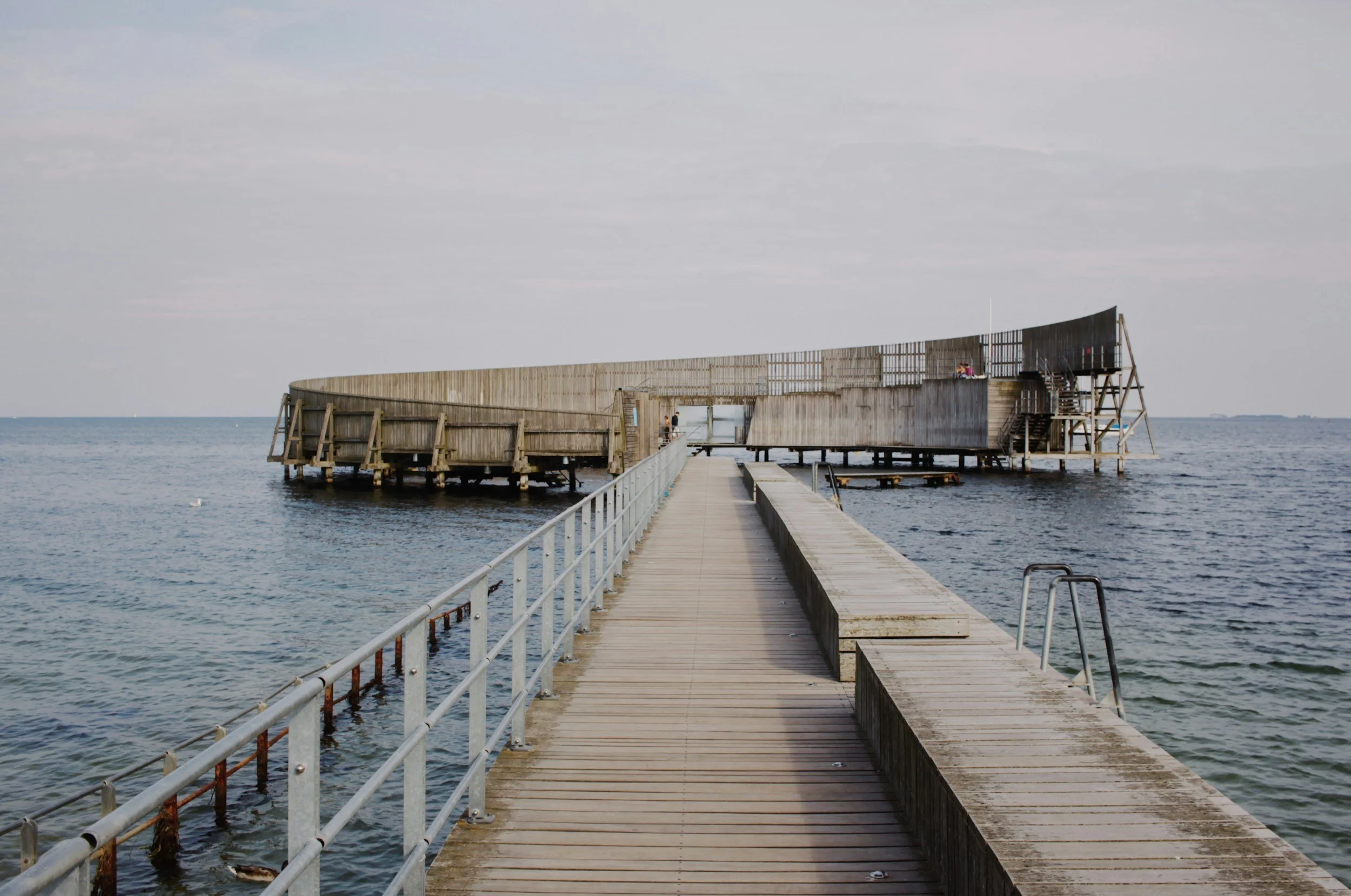
Wi-Fi is widely available in hotels, cafés and many public spaces.
Before travelling, check your UK mobile provider's roaming charges, as inclusive EU roaming is no longer guaranteed across all UK contracts.
For longer stays or heavier data use, a local SIM or travel eSIM may offer better value.
Useful tools to have on your phone include:
Rejseplanen for Danish public transport journey planning.
DSB for national rail information and tickets.
Your airline's app for live flight updates.
An offline map of the places you plan to explore.
13: Our Support While You’re Away
Your holiday does not stop being our responsibility when your flight takes off.
Bookings through The Independent Travel Consultants are fully supported, including 24/7 assistance should you need help while you are away, together with the appropriate ATOL and PTS protection for your booking.
From an unexpected travel disruption to simply needing a little reassurance, support is there when you need it. Keep your travel documents and emergency contact details somewhere easy to access throughout your trip.
14: Nordic Travel Table’s Insider Tip
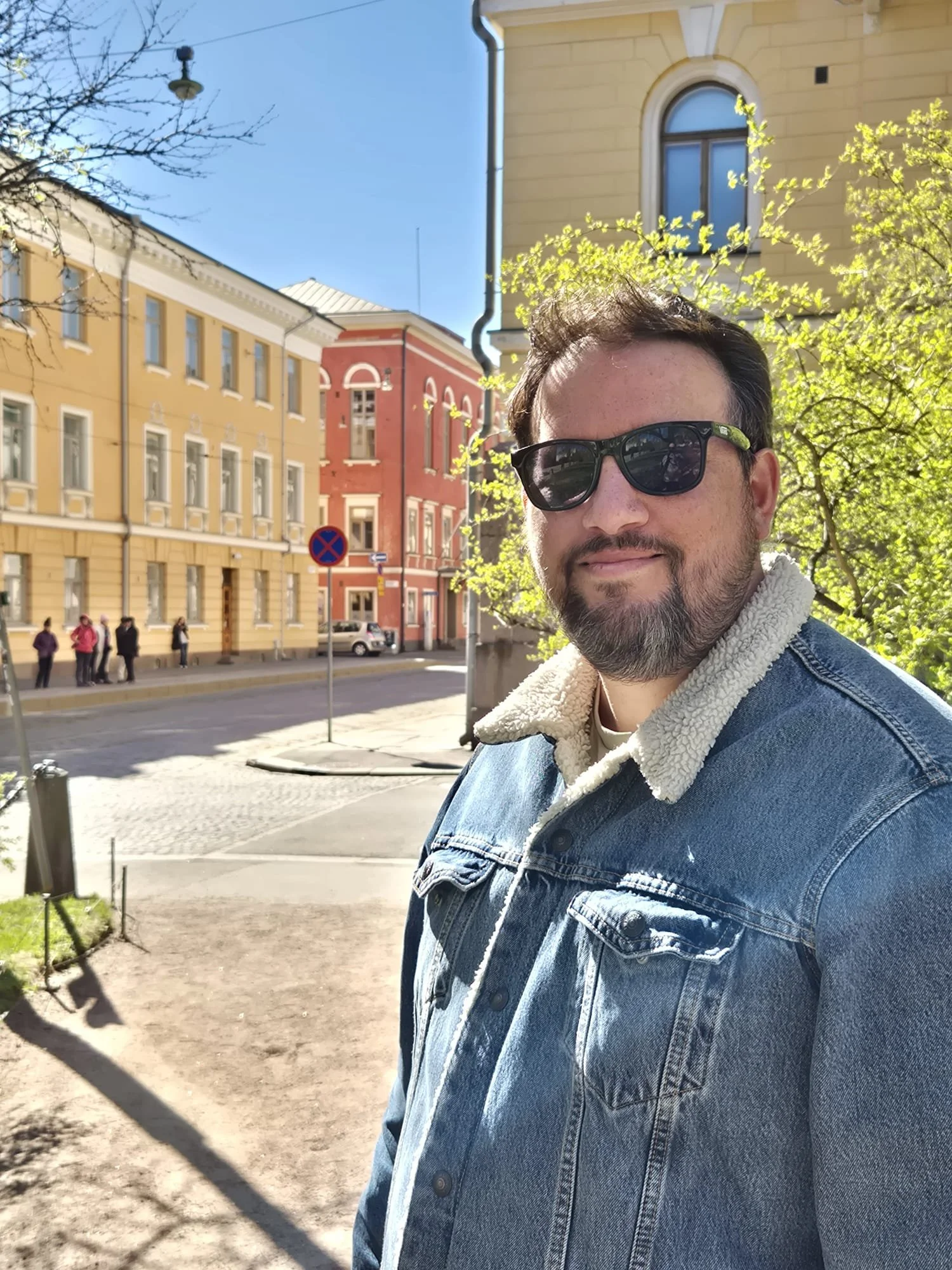
Mike Marolia, owner of Nordic Travel Table says:
My favourite way to experience Denmark is not to over-plan it. Leave a little space between the famous sights for the moments you weren't expecting – a bakery you discover down a side street, an hour beside the harbour, a spontaneous cycle ride or a cosy café when the weather changes.
And if Copenhagen is your starting point, consider adding somewhere beyond the capital. Denmark's smaller cities, coastline and countryside bring a wonderfully different rhythm to the trip.
15: Thank You & Your Next Adventure
Thank you for trusting us to be part of your Denmark adventure.
We hope your journey is filled with wonderful food, welcoming places, memorable experiences and plenty of those little moments that make travelling so special.
Take lots of photographs, share your favourite discoveries and, when you're ready to start dreaming about the next adventure, your travel consultant will be delighted to help bring it to life.
Have an amazing time in Denmark – and don't forget to enjoy a little hygge along the way.
Thinking about your own Danish adventure?
Get in touch today and lets start planning your package or tailor-made holiday!