
Destination Guide: Sweden
Contemporary yet traditional, effortlessly stylish yet wonderfully down-to-earth, with nature never very far away
1: Country Overview
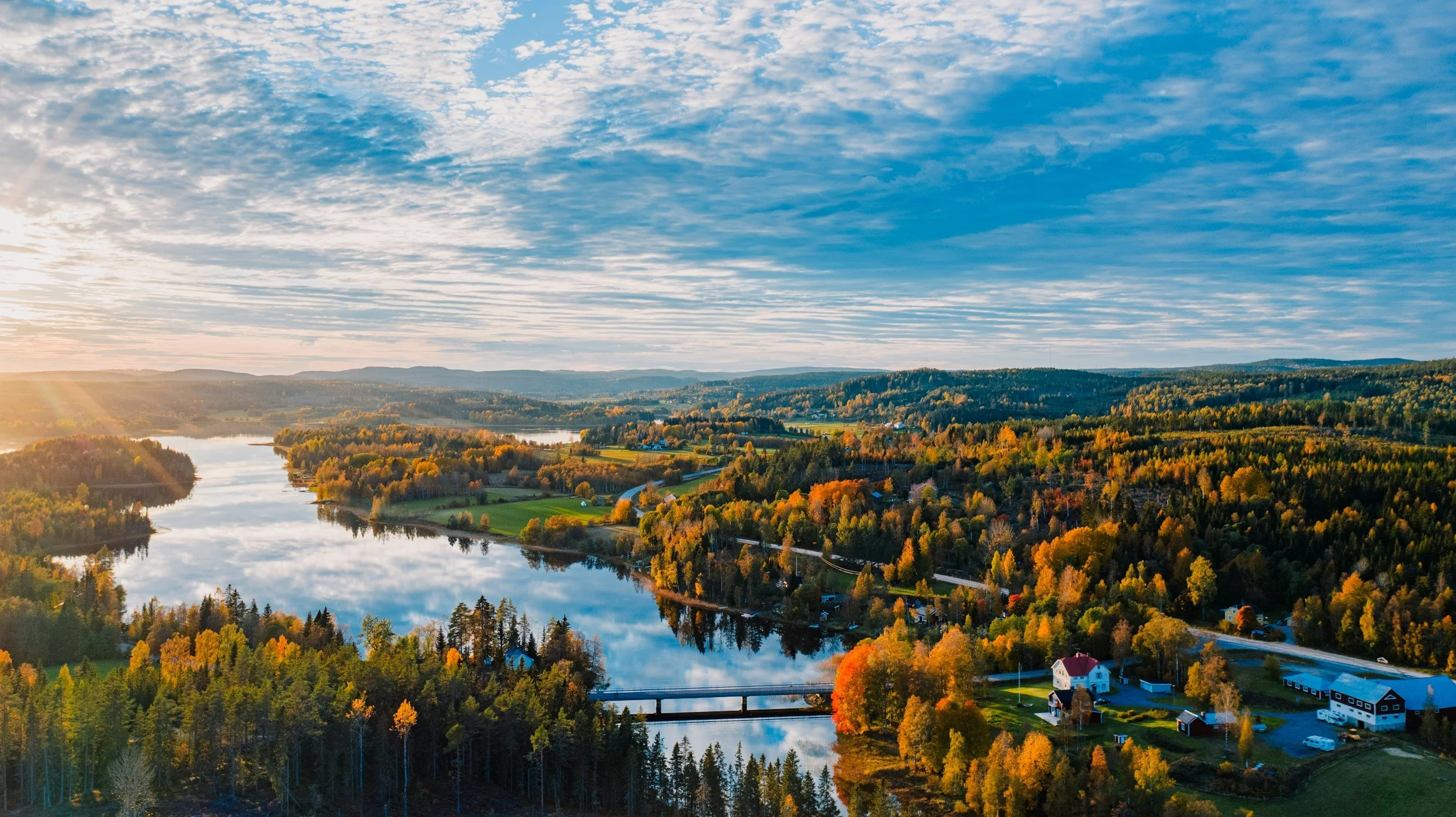
Welcome to Sweden – a place where colourful waterfront cities, peaceful forests, thousands of islands and Arctic landscapes all sit within one wonderfully varied country. Whether your perfect holiday means lingering over coffee in Stockholm, kayaking through an archipelago or watching the Northern Lights dance above Swedish Lapland, Sweden makes it easy to travel at your own pace and feel part of the experience.
2: Quick Facts at a Glance
Language: Swedish. English is widely spoken, and Sweden also recognises Finnish, Meänkieli, Romani Chib, Sami and Yiddish as national minority languages.
Currency: Swedish krona – SEK. Sweden does not use the euro.
Time zone: Central European Time, normally 1 hour ahead of the UK.
Plugs & voltage: Types C and F, 230V, 50Hz. UK travellers will need an adaptor.
Flight time from the UK: Generally around 2–3½ hours, depending on your departure airport and Swedish destination. Direct UK connections serve Sweden from several cities.
Entry requirements for British citizens: For typical tourist visits, British citizens can travel visa-free for up to 90 days in any 180-day period. Your passport must have been issued less than 10 years before your arrival and be valid for at least three months after the date you intend to leave the Schengen area. The EU Entry/Exit System is being implemented, so you may also be asked to register fingerprints and a photograph at the border.
Emergency services: 112 for police, ambulance or fire. For non-emergency police matters within Sweden, call 114 14.
3: When to Go
Sweden is genuinely a year-round destination, but the experience changes dramatically with the seasons.
June to August brings long, light-filled days and comfortably warm weather, particularly in southern and central Sweden. Southern summer temperatures commonly sit around 20–25°C, making this a lovely season for city breaks, island hopping, swimming, hiking and kayaking.
September and October bring autumn colours, quieter cities and a more relaxed feel. In the far north, the Northern Lights season begins as the nights grow darker.
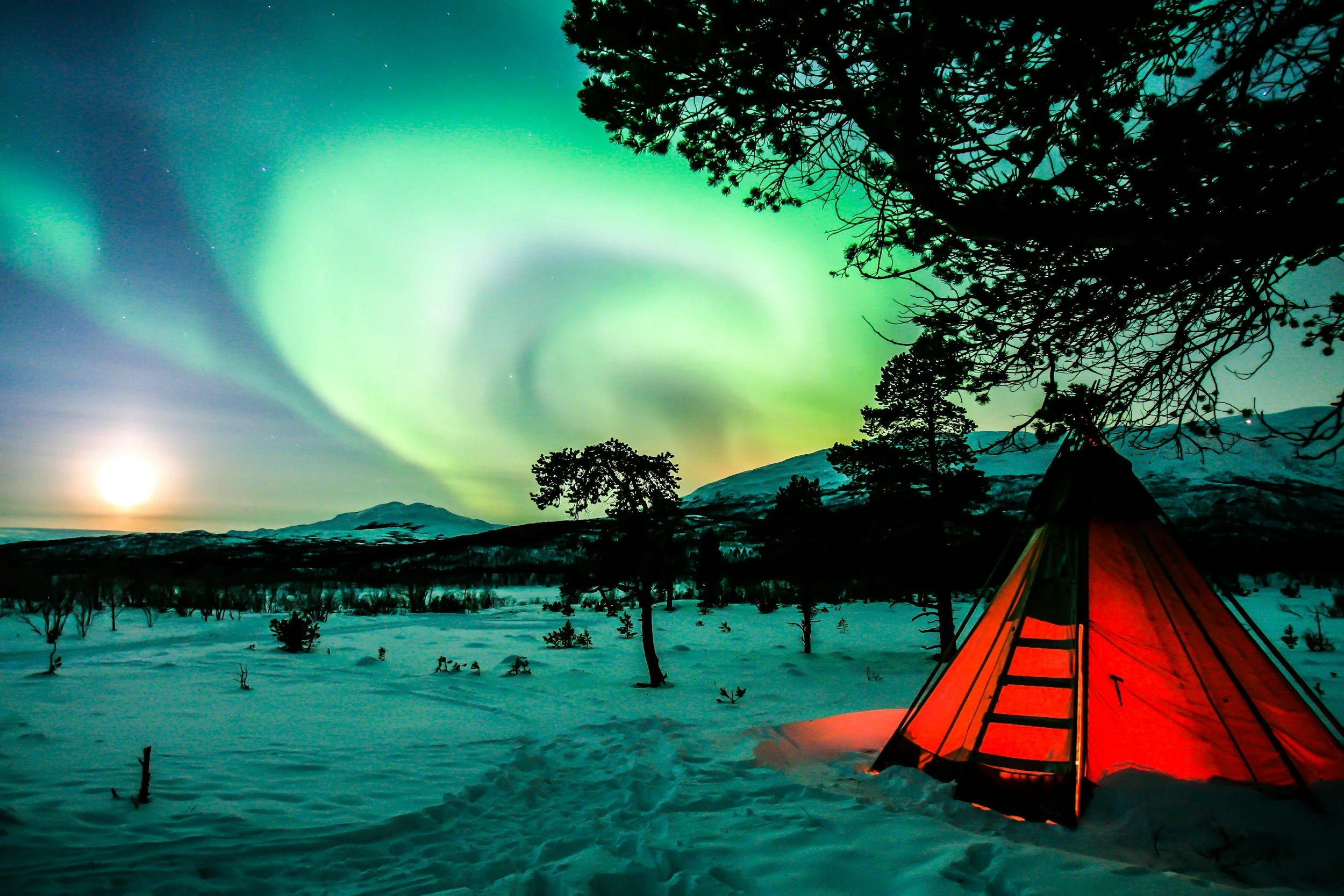
December to March is the season for snowy landscapes, skiing, husky adventures and Arctic stays. In northern Sweden, particularly around Kiruna and Abisko, the best period for Northern Lights viewing is generally from early September to late March.
May to July is especially magical above the Arctic Circle, where the Midnight Sun creates extraordinarily long days; in parts of Arctic Sweden there can be 24-hour daylight from late May into July.
Celebrations worth knowing about: Walpurgis Night on 30 April welcomes spring with bonfires; National Day is 6 June; Midsummer celebrations fill late June with flowers, dancing and traditional food; and atmospheric Lucia processions take place on 13 December.
4: Getting There & Getting Around
Sweden is well connected with the UK. Direct services operate from UK airports including London, Birmingham, Edinburgh, Liverpool and Manchester, although routes can be seasonal and schedules change.
Stockholm Arlanda is Sweden's largest airport, while Göteborg Landvetter is the main gateway for Gothenburg and the west coast. Southern Sweden can also be reached through Copenhagen, with easy onward connections across the Öresund Bridge to Malmö.
For Stockholm arrivals, the Arlanda Express reaches Stockholm Central in around 18 minutes; buses, commuter trains and taxis provide alternatives.
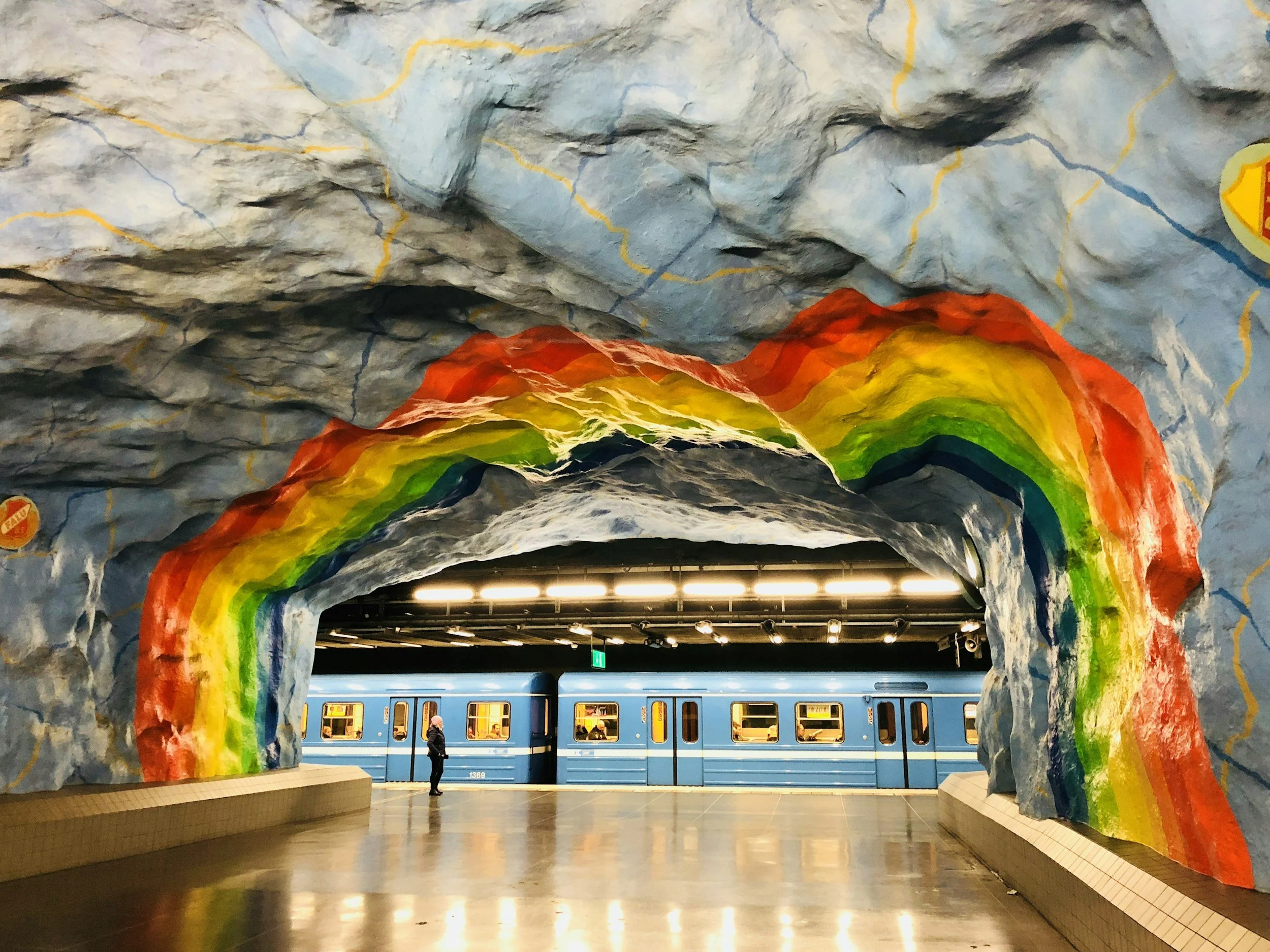
Once you are there, public transport is one of Sweden's strengths. Stockholm combines metro, trams, buses, commuter trains and ferries; Gothenburg is famous for its trams; and Malmö and the wider Skåne region have an extensive bus and rail network.
For longer journeys, trains are a relaxing way to see more of the country, with popular routes linking Stockholm, Gothenburg and Malmö and services continuing towards northern Sweden.
A little extra comfort: For special occasions, family groups or anyone who simply prefers a seamless arrival, ask us about arranging a private airport transfer.
5: Top Experiences & Must-Sees
Stockholm
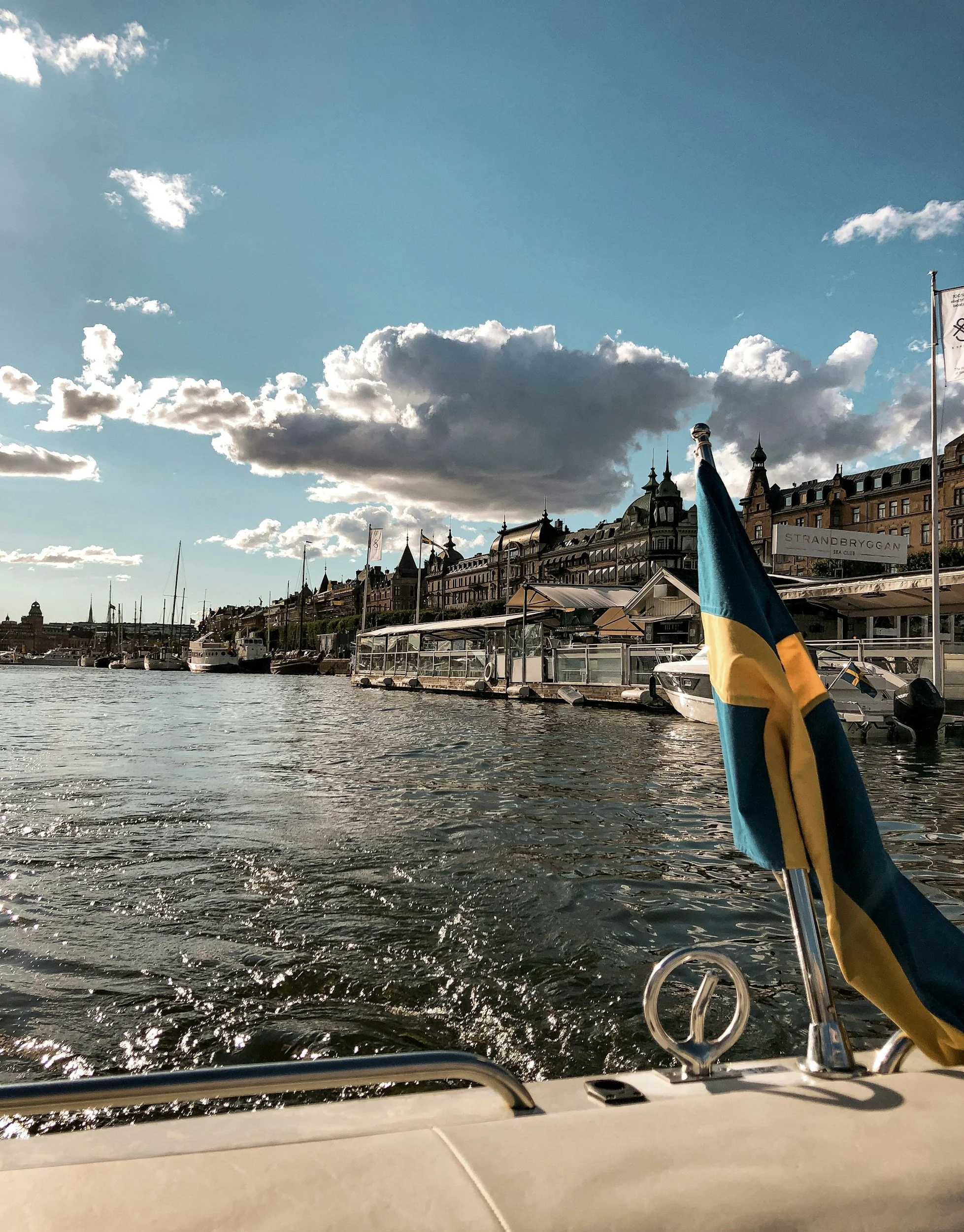
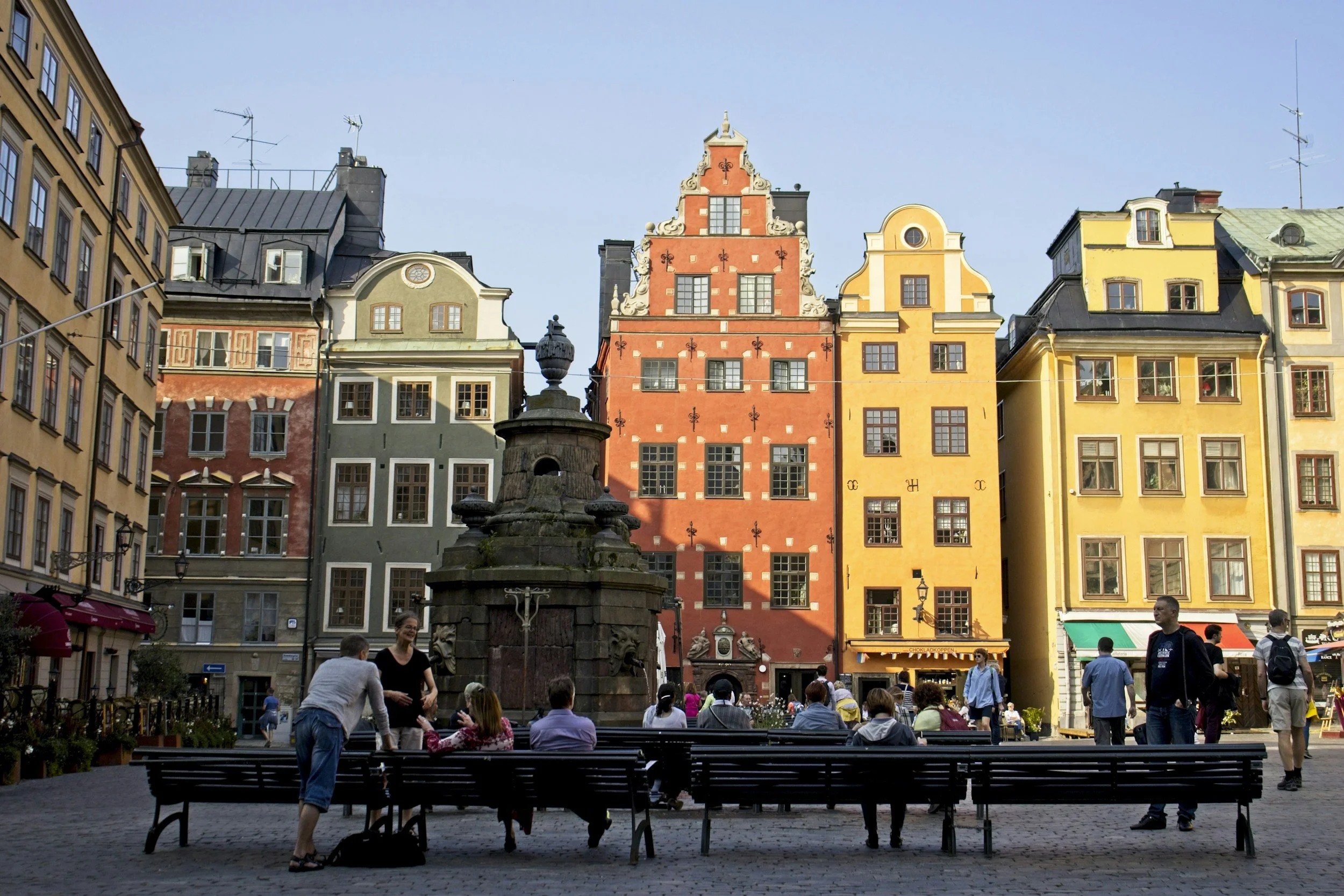
Built across islands and surrounded by water, Sweden's capital combines cobbled streets, museums, contemporary Scandinavian design and an easy connection with nature. Wander through Gamla Stan, visit the remarkable Vasa Museum, then allow time simply to sit somewhere lovely for fika.
The Stockholm Archipelago
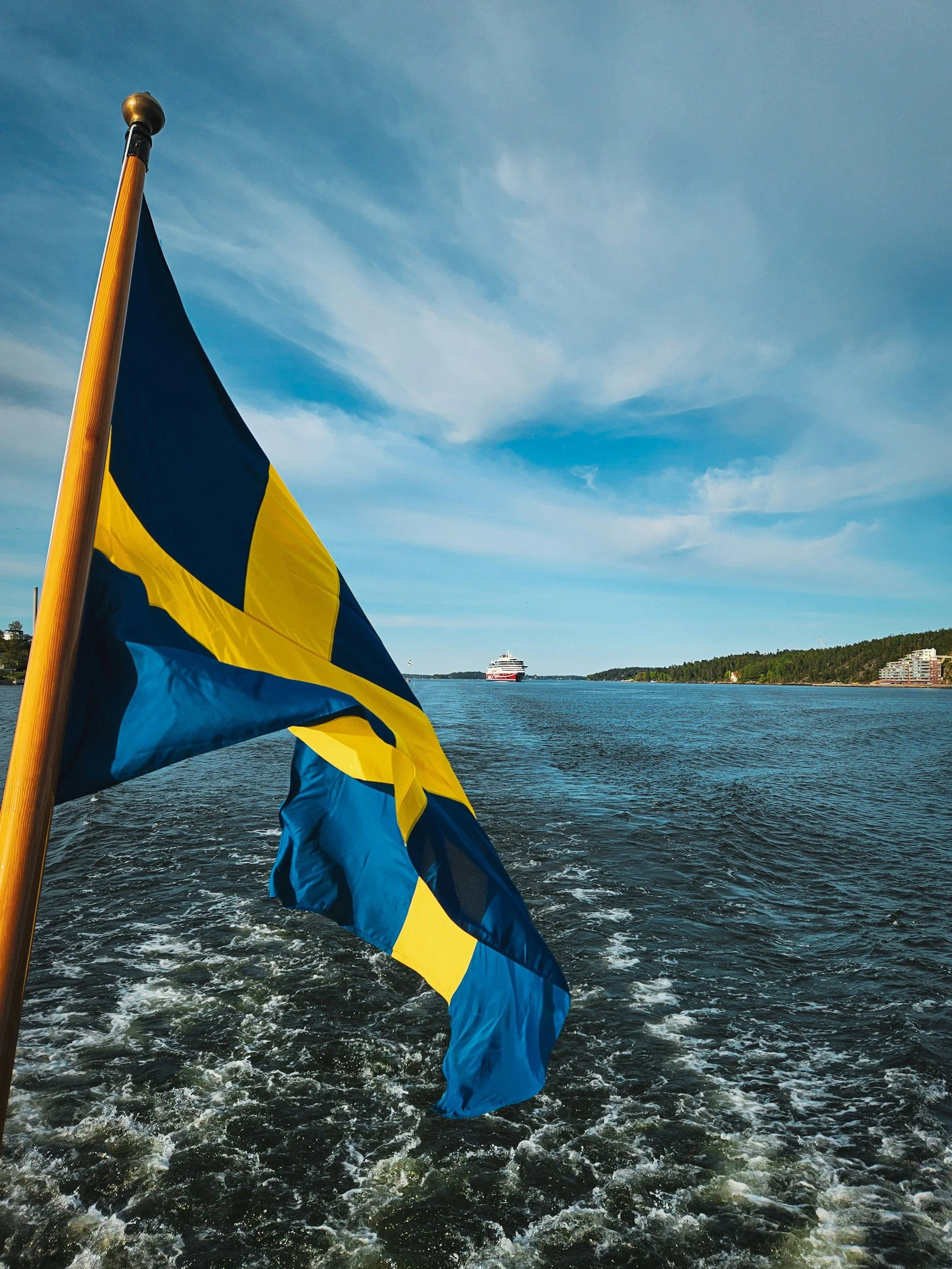
Leave the city behind and you can quickly find yourself among islands, pine forests and quiet waterfront villages. Ferries make day trips easy, but an overnight stay gives you a completely different experience. Sweden's archipelagos are perfect for walking, swimming, kayaking or simply slowing down.
Gothenburg & the West Coast
Gothenburg has a friendly, laid-back character, excellent food and a brilliant tram network. Beyond the city, the west coast opens into fishing villages, rocky islands and seafood country.
Swedish Lapland
For something unforgettable, head north towards Kiruna and Abisko. Winter can bring Northern Lights, dog sledding and snowy wilderness, while summer replaces darkness with the Midnight Sun. This is also Sápmi, the traditional homeland of the Indigenous Sámi people, and respectful Sámi-led cultural experiences can add real depth to a northern Sweden journey.
Gotland
Sweden's Baltic island has beaches, dramatic sea stacks, countryside and the medieval walled town of Visby. It works beautifully as a summer extension to a Stockholm holiday.
Step Into Nature
Sweden's allemansrätten, or Right of Public Access, gives people remarkable freedom to enjoy the countryside responsibly. The guiding principle is simple: enjoy nature without disturbing people or damaging the environment.
6: Food & Drink
Swedish food is far more varied than meatballs – although a good plate of köttbullar, potatoes, gravy and lingonberries is still worth trying.
Look out for:
Gravlax – cured salmon, often served with mustard and dill sauce.
Pickled herring – particularly important around Midsummer and other celebrations.
Toast Skagen – prawns in a creamy dill mixture, traditionally served on toast.
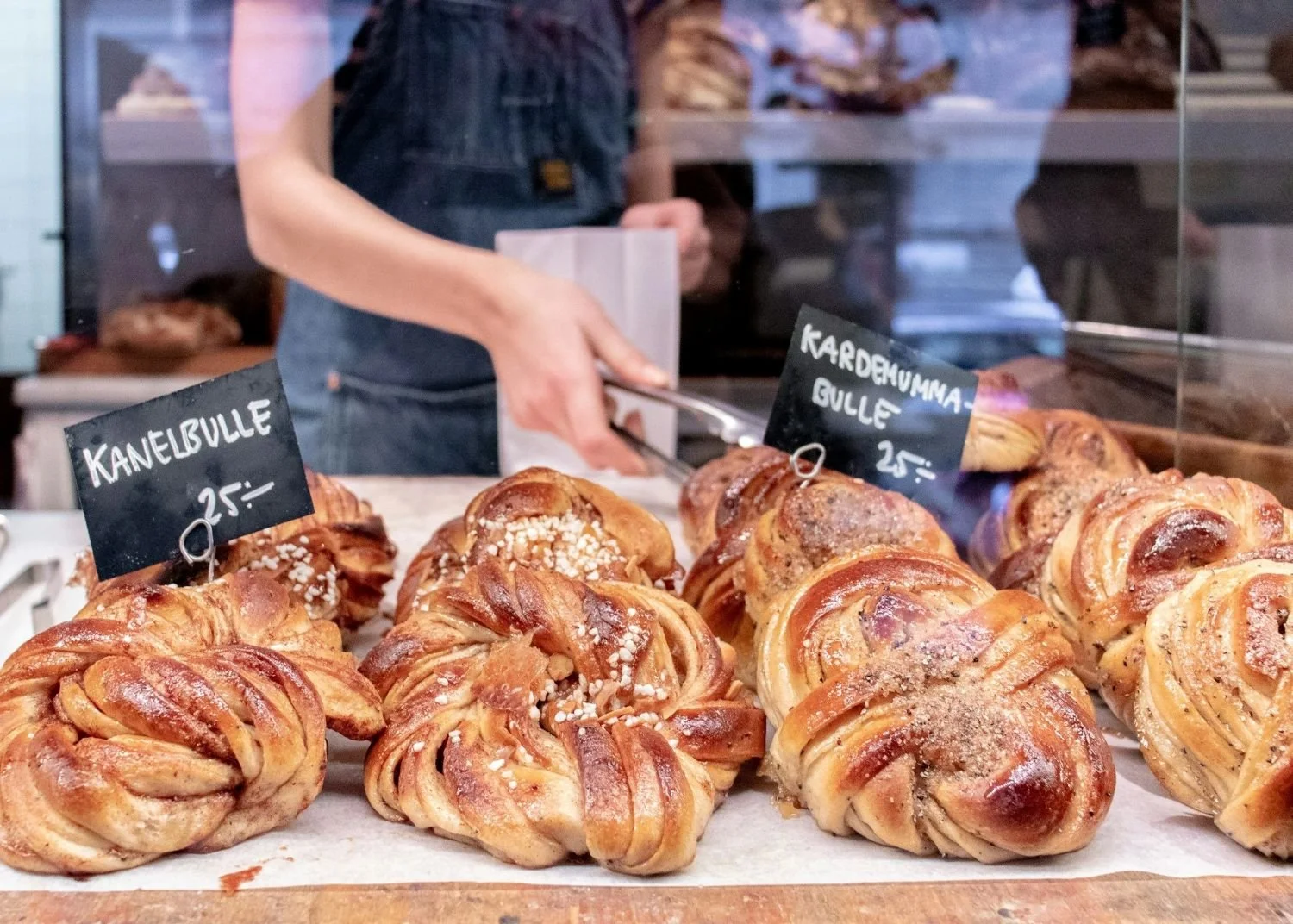
Kanelbullar – cinnamon buns, ideally enjoyed as part of a fika.
Crispbread, cheeses and seasonal berries – simple ingredients that appear throughout Swedish cooking.
Fresh seafood – particularly around Gothenburg and the west coast.
And make time for fika. It is much more than grabbing a takeaway coffee: it is a chance to stop, chat and enjoy something sweet together.
Vegetarian, vegan and allergy-aware dining is readily available in the larger cities, and restaurant staff are generally accustomed to discussing dietary requirements.
For something special: consider a chef-led tasting menu, food tour, seafood experience on the west coast or a meal built around seasonal Nordic ingredients.
7: Culture & Etiquette
Swedish social life tends to be friendly but relatively understated.
Punctuality matters, so aim to arrive when you say you will.
Personal space is generally appreciated, particularly on public transport.
Queueing is taken seriously – many places use ticket-number systems.
If invited into someone's home, it is common to remove your shoes.
There is no need to be overly formal; a relaxed, polite approach works well.
Sweden is a diverse society, and travellers of different backgrounds, identities and family structures will generally find an open, contemporary atmosphere. Same-sex sexual activity is legal.
When exploring the countryside, follow the spirit of the Right of Public Access: do not disturb and do not destroy.
8: Money Matters
Sweden uses the Swedish krona (SEK) and is notably cash-light. Debit and credit cards are accepted almost everywhere, and some shops, cafés and restaurants do not accept cash at all.
Visa and Mastercard are widely accepted; it is sensible to carry an alternative if you normally rely on American Express.
As a rough budgeting guide, a daily lunch special – dagens lunch – often offers particularly good value, with typical prices around 110–170 SEK depending on location. In Stockholm, a standard public transport single ticket is currently 43 SEK, while a 24-hour visitor ticket is 180 SEK; fares vary elsewhere and can change.
Tipping is welcome but not expected. At restaurants, many people simply round up the bill; around 10% is considered generous when you have received especially good service.
Tip: When a card terminal offers to charge you in pounds rather than SEK, check your bank's exchange terms before accepting the conversion - our advice is to always pay in the local currency if possible as the exchange rates set by payment providers is often far worse than the one set by your bank.
9: Safety & Health
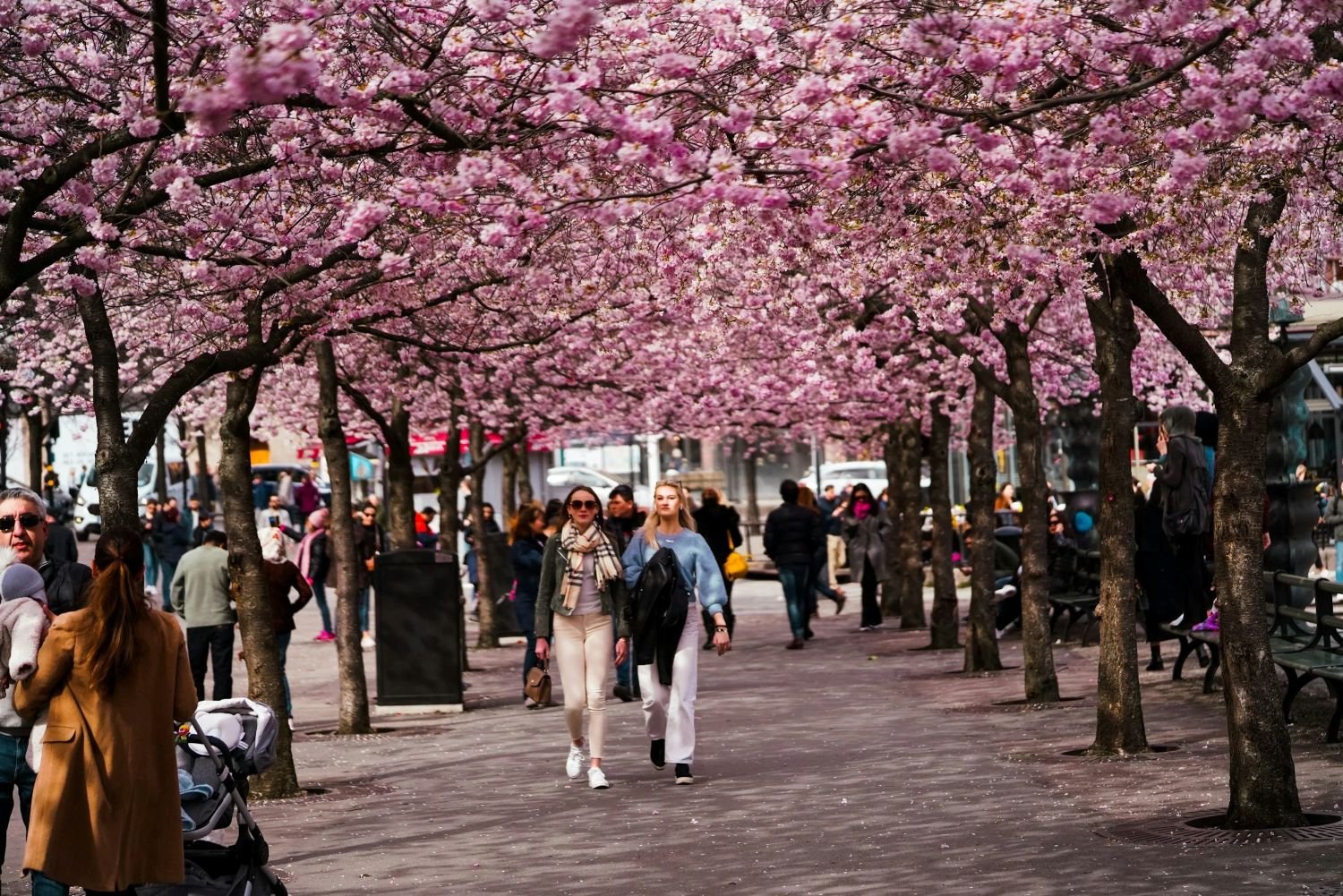
Sweden is straightforward to travel around, but the usual city precautions still apply.
Keep passports, phones and wallets secure in crowded areas, as pickpockets can target visitors in larger cities.
For urgent assistance, call 112. Travellers heading into Arctic or very remote areas should remember that emergency medical and search-and-rescue assistance can take longer to reach you.
British visitors should carry a valid GHIC or eligible EHIC for medically necessary state healthcare, but this does not replace comprehensive travel insurance. Your policy should cover the activities you intend to enjoy, particularly winter sports or remote Arctic adventures.
Ticks can be a consideration when spending time in forests and long grass during warmer months, so suitable clothing and insect protection are useful.
Illegal drugs, including cannabis, are strictly prohibited in Sweden.
10: Packing Tips
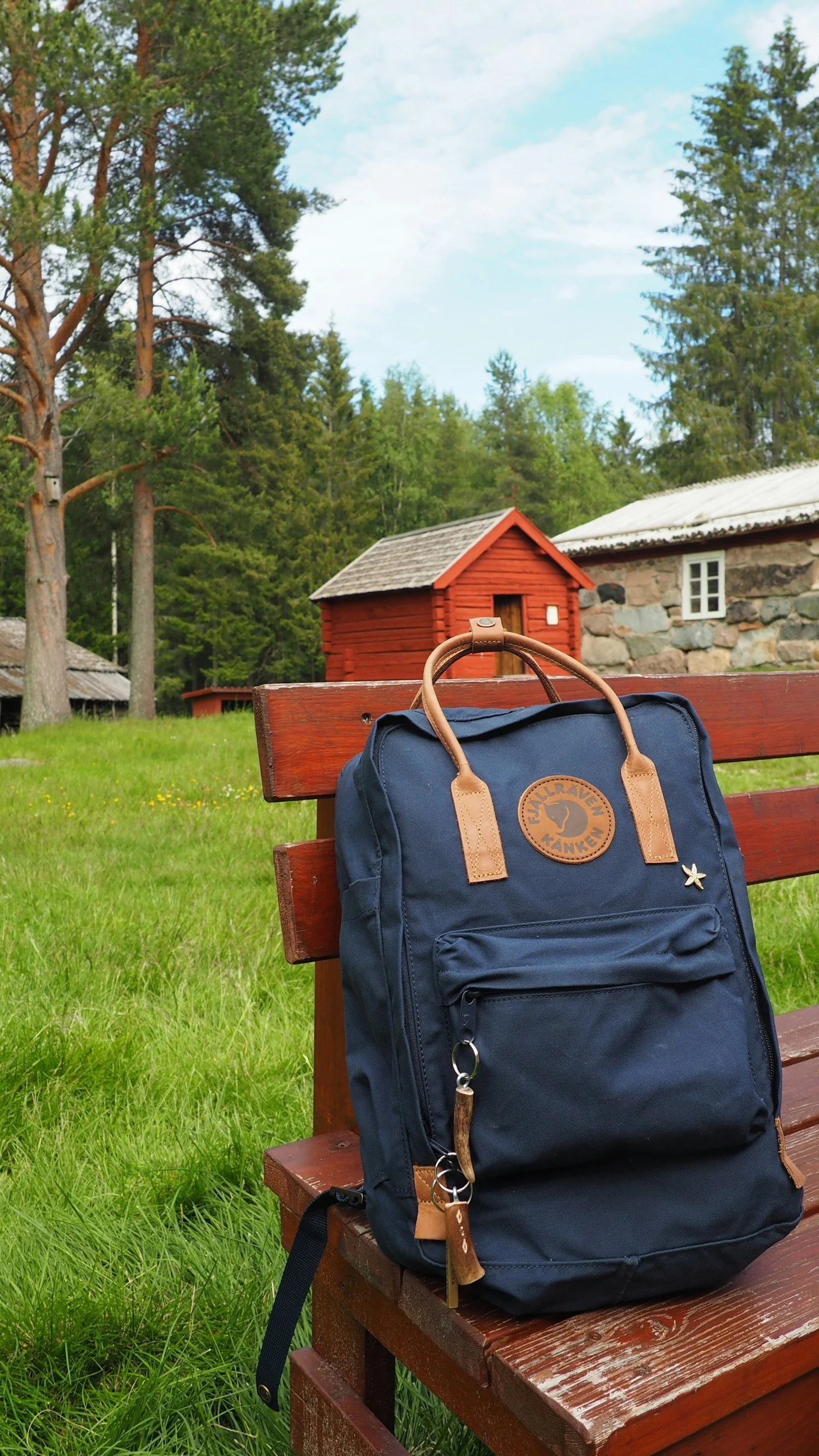
For summer: bring light layers, comfortable walking shoes, sunglasses and a light waterproof jacket. Even sunny days can turn cooler beside the water.
For autumn and spring: pack layers, a waterproof outer layer and footwear suitable for changeable conditions.
For winter: thermal base layers, insulated waterproof outerwear, gloves, hat and winter-ready footwear are essential – especially in the north.
For Swedish Lapland: temperatures can be significantly colder than Stockholm or southern Sweden, so specialist Arctic clothing may be required. Many organised winter experiences provide additional outerwear.
Do not forget a European Type C/F adaptor for UK plugs.
Insider packing tip: bring a reusable water bottle. Swedish tap water is excellent, and refilling as you go is easy.
11: Optional Add-Ons & Excursions
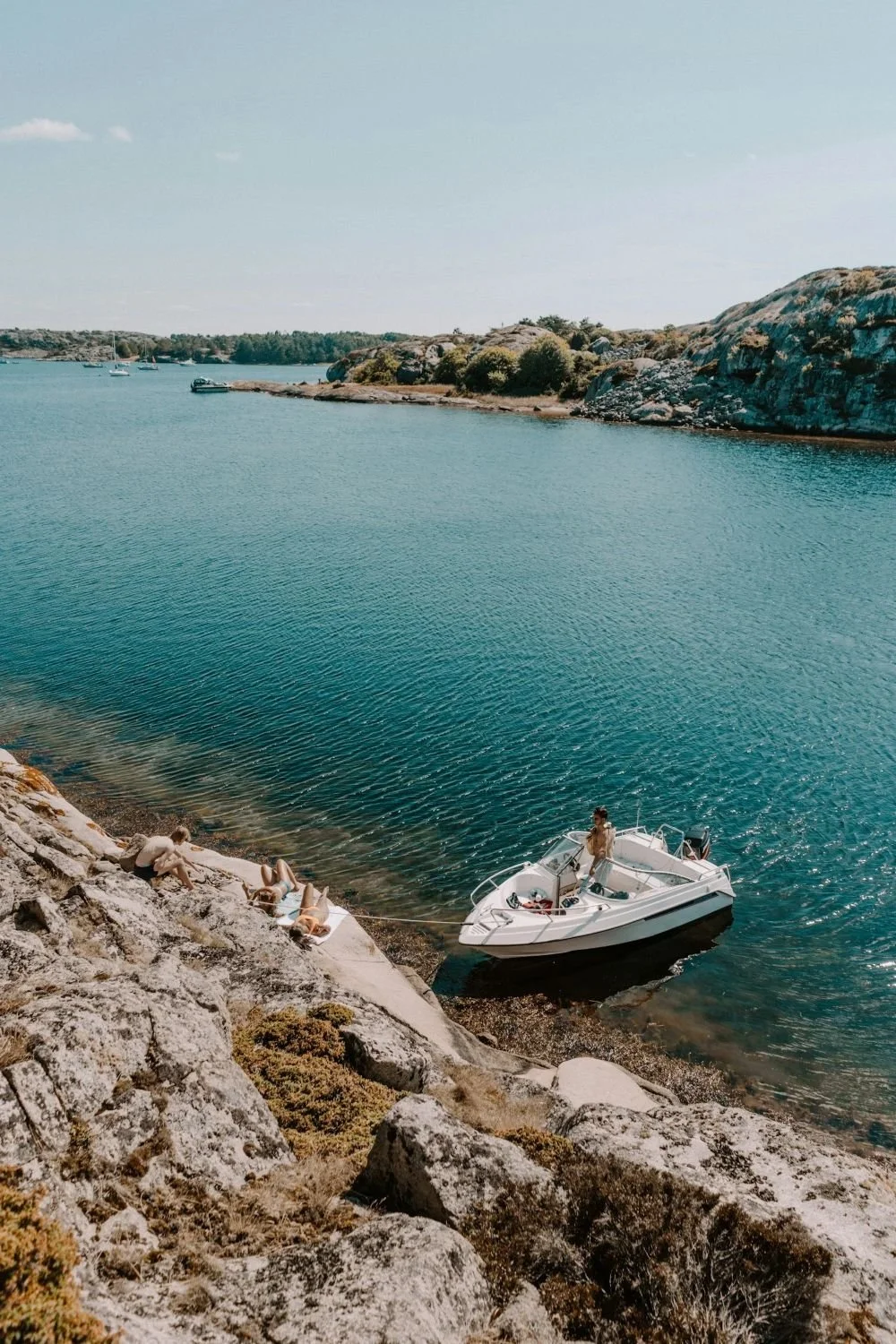
A few well-chosen extras can turn a lovely Sweden holiday into something really memorable.
Stockholm Archipelago cruise or private boat trip – ideal if you want to see another side of the capital.
Overnight archipelago stay – wake beside the water rather than rushing back to the city.
Northern Lights experience – combine an Arctic stay with a guided aurora hunt.
Dog-sledding or snowmobile experience – a wonderful addition to a winter Lapland itinerary.
Sámi-led cultural experience – choose experiences that allow Sámi people to share their own culture and stories.
Gothenburg and west-coast island extension – especially tempting for seafood lovers.
Copenhagen add-on – Malmö's position across the Öresund from Denmark makes a two-country Nordic break surprisingly easy.
Ask us about adding private transfers, special stays, rail journeys or guided experiences before you travel – the best small-group and seasonal experiences can fill well in advance.
12: Stay Connected
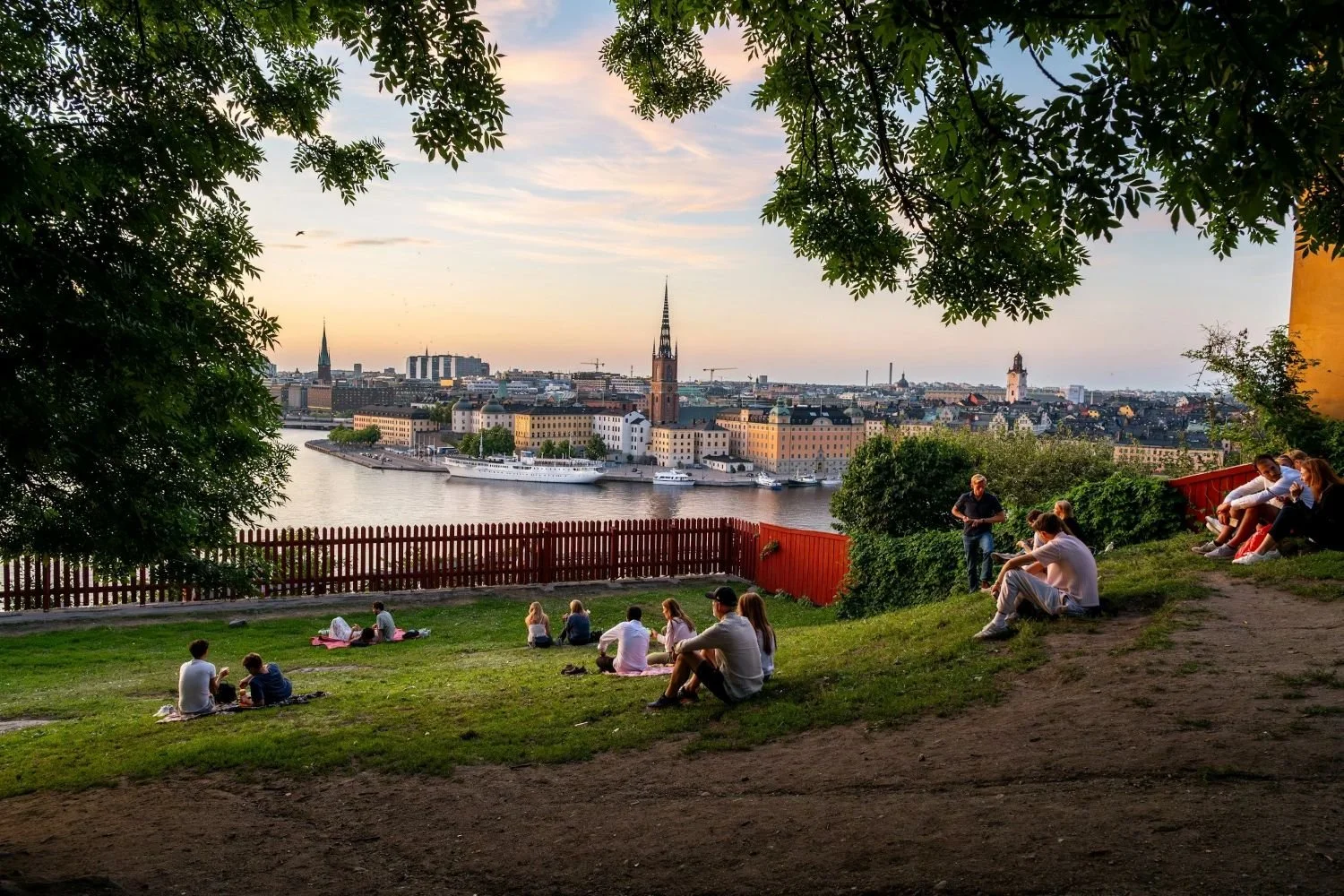
Wi-Fi is widely available in hotels, cafés and many public spaces.
UK mobile roaming arrangements vary by provider, so check your allowance before travelling. If your tariff makes roaming expensive, a travel eSIM or local SIM may be worth considering.
Useful apps include:
Your city's local public transport app – such as SL in Stockholm, Västtrafik around Gothenburg or Skånetrafiken around Malmö.
SJ and other relevant rail-operator apps for longer train journeys.
Your airline's app for flight updates.
An offline mapping app if you are heading into rural or Arctic areas.
Sweden's popular Swish payment system generally requires a Swedish bank account, so visitors should expect to use debit or credit cards instead.
13: Our Support While You’re Away
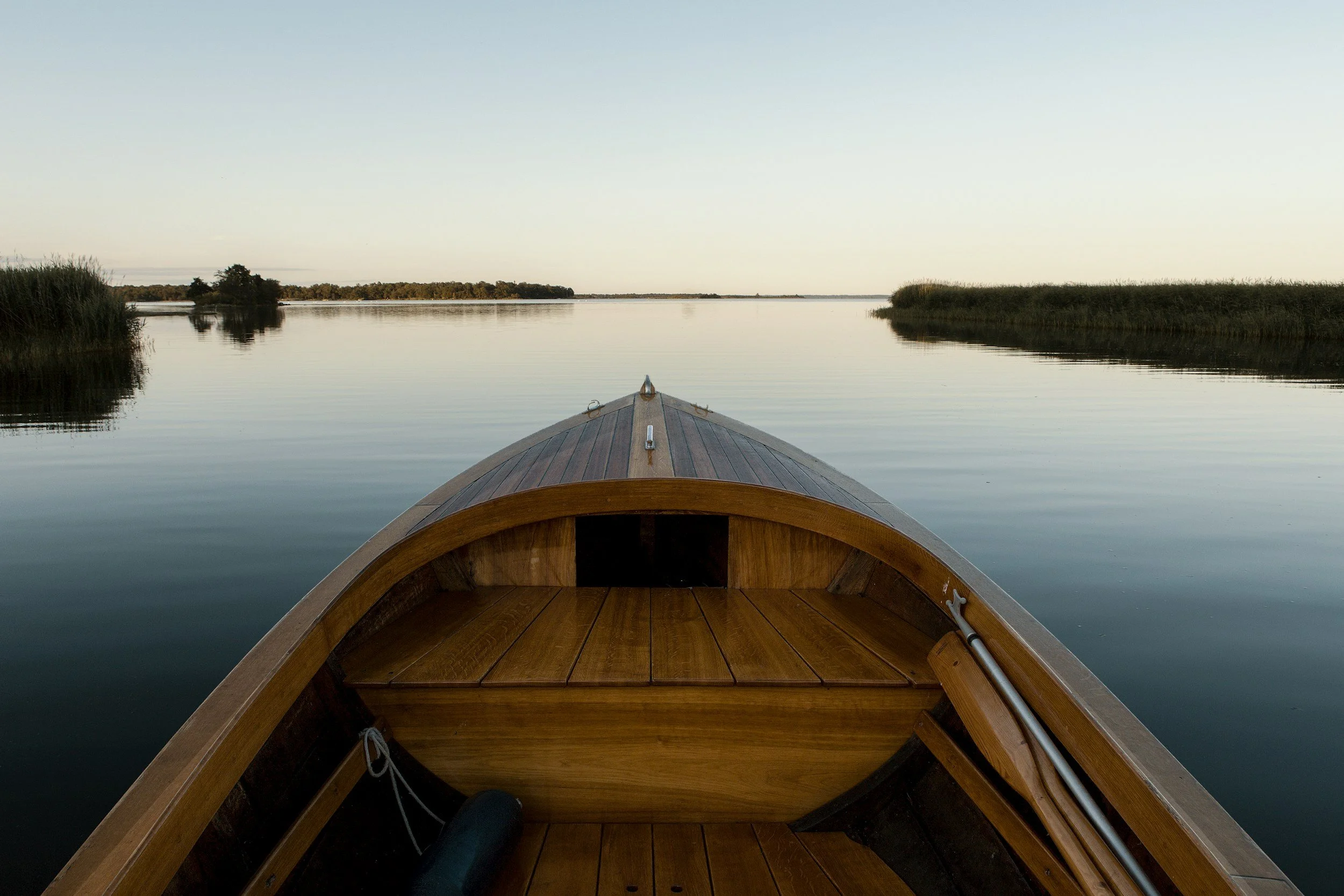
From the moment your trip begins, you are not simply sent on your way.
Your holiday does not stop being our responsibility when your flight takes off.
Your booking is fully supported through The Independent Travel Consultants, with access to 24/7 assistance should you need help while you are away. Your travel arrangements also benefit from ATOL and PTS financial protection where applicable to your booking, giving you additional reassurance before and during your trip.
Keep your travel documents and emergency contact details somewhere easy to access, and remember that support is there when you need it.
14: Nordic Travel Table’s Insider Tip
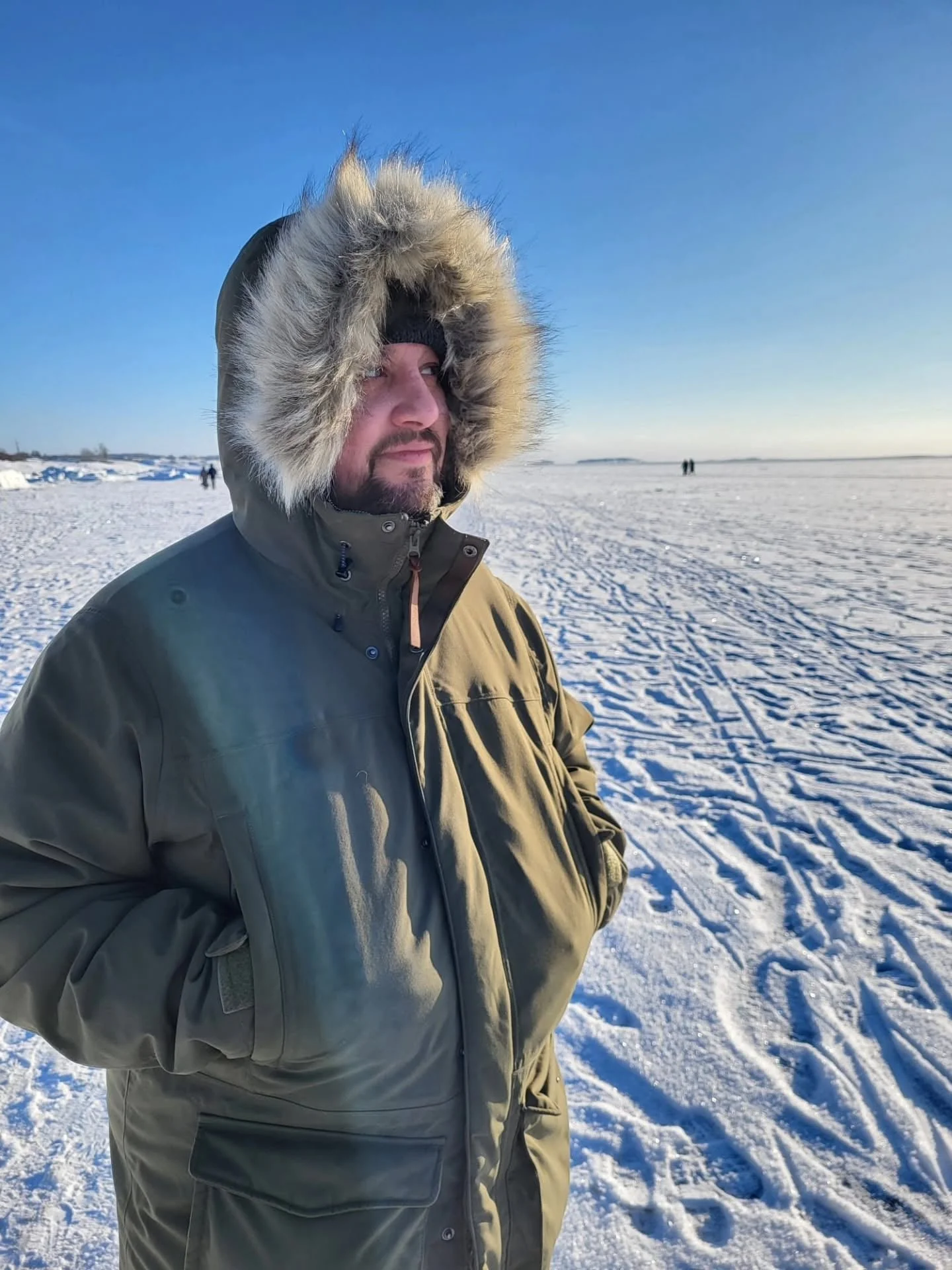
Mike Marolia, owner of Nordic Travel Table says:
My favourite way to experience Sweden is to leave a little breathing space in the itinerary. Enjoy the big sights, but give yourself an afternoon with no plan – take a ferry, follow a waterfront path, discover a neighbourhood café and settle in for fika. Sweden often feels most special in those quieter moments between the headline experiences.
And if your itinerary allows it, combine city and nature. A few nights in Stockholm followed by an island stay – or a stylish city break paired with Swedish Lapland – gives you two completely different sides of the country in one holiday.
15: Thank You & Your Next Adventure
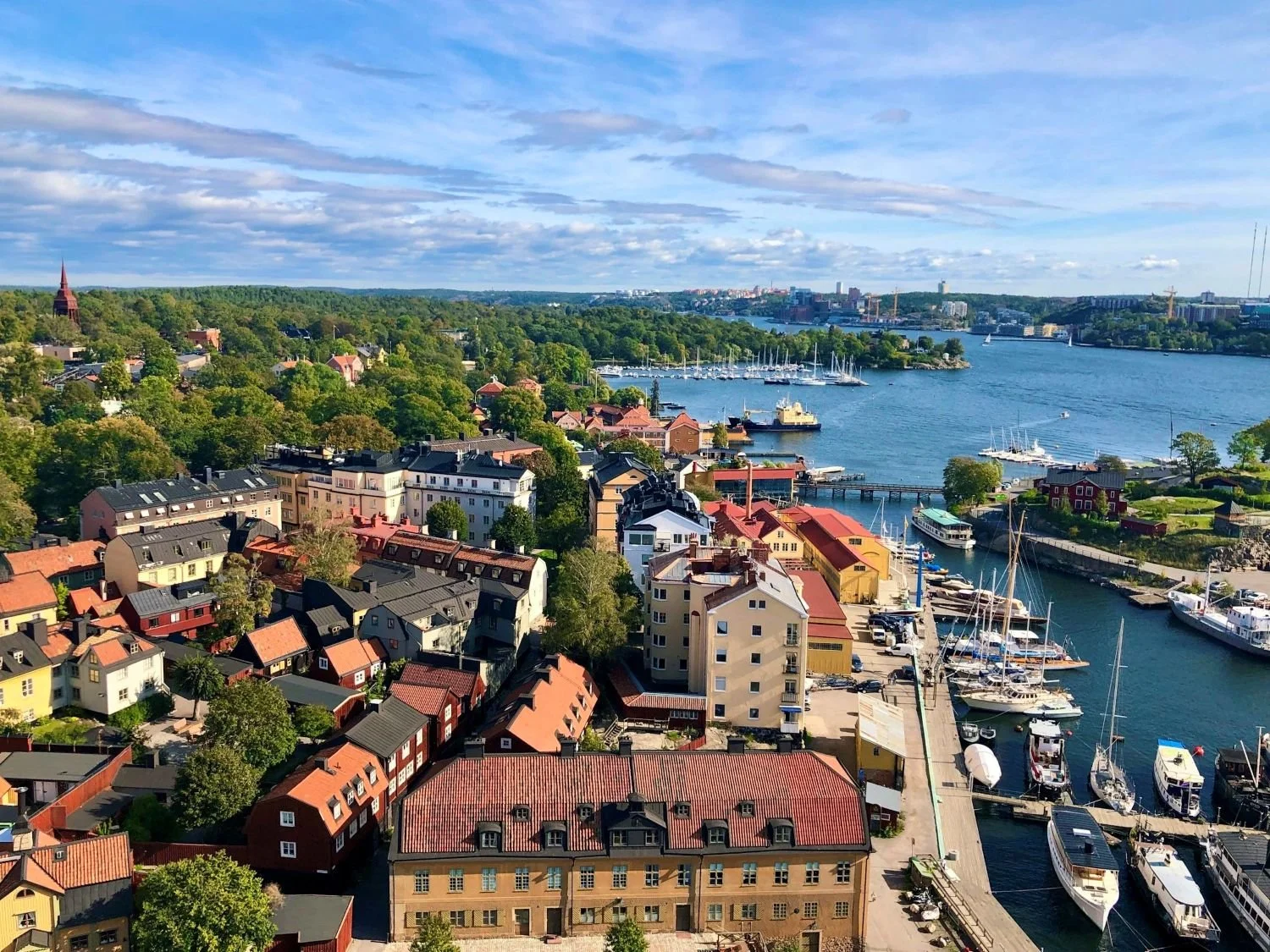
Thank you for trusting us with your travels. We hope Sweden gives you wonderful memories: long summer evenings, cosy winter moments, beautiful landscapes and plenty of good fika along the way.
Take photographs, share the moments that make you smile, and remember that there is no single “right” way to experience Sweden – make the journey your own.
Thinking about your own Swedish adventure?
Get in touch today and lets start planning your package or tailor-made holiday!