
Which Nordic Country Should You Visit First? Finland vs Sweden vs Norway vs Denmark vs Iceland
Quick Answer
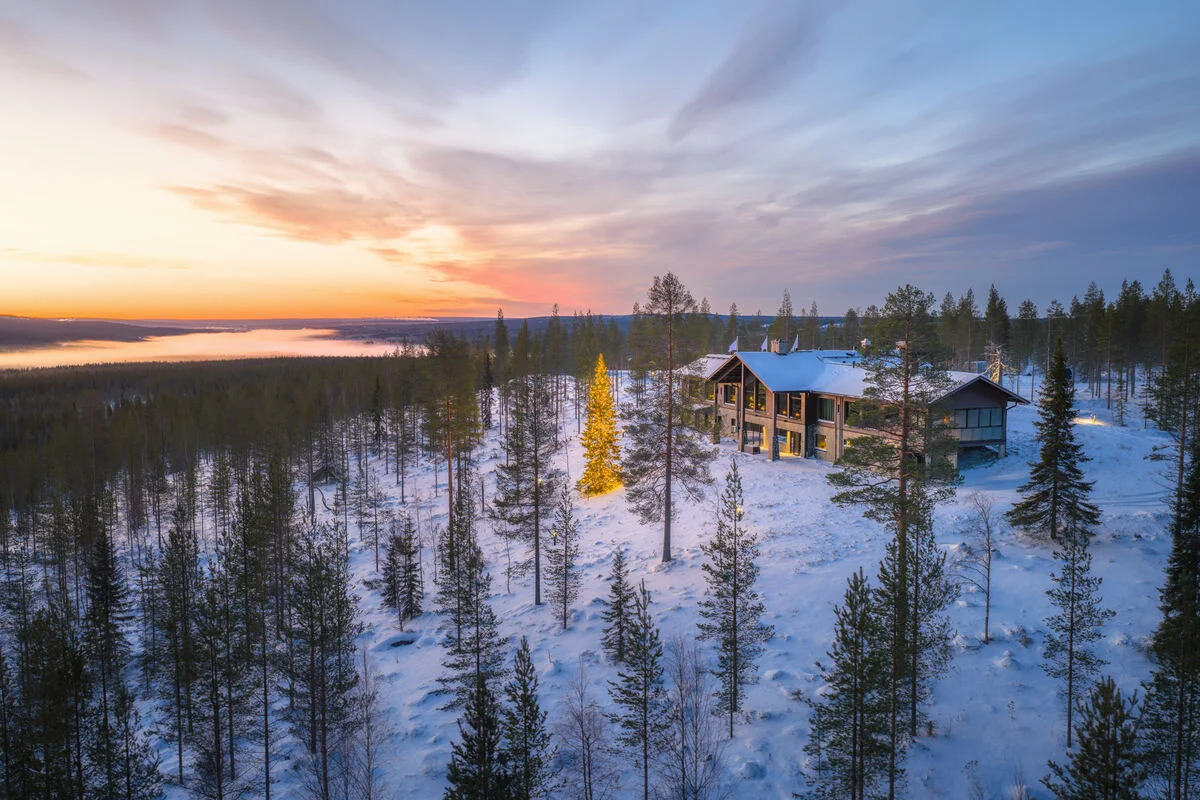
Denmark is the easiest first taste of the Nordics for a short city break, Norway delivers the most dramatic scenery for a one-week holiday, Finland is your best bet for winter snow and northern lights, Sweden gives you the most flexible city-plus-nature combination, and Iceland stands apart as a raw, otherworldly self-drive destination. The right choice depends on your travel style, interests, and pace. I help UK travellers work out where in Scandinavia or Nordics to visit first by matching those factors to the country that fits best, and I have spent years exploring every one of them from my base in Helsinki.
Key Takeaways
- Denmark is the most compact and accessible, ideal for a 3-4 day first trip from the UK
- Norway offers the strongest all-round scenery for a one-week holiday focused on fjords
- Finland is the clearest choice for winter snow, Lapland, and northern lights
- Sweden gives you the best balance of city culture and accessible nature
- Iceland is unlike anywhere else but needs the most planning and the highest budget
- Finland is generally the least expensive of the five Nordic countries
- You can combine two or more Nordic countries in a single trip thanks to Schengen open borders
- English is widely spoken across all five, language is never a barrier
- All five countries saw record tourism in 2025, so infrastructure is ready for first-timers
Where in Scandinavia or Nordics to Visit First: Which Country Suits You Best?
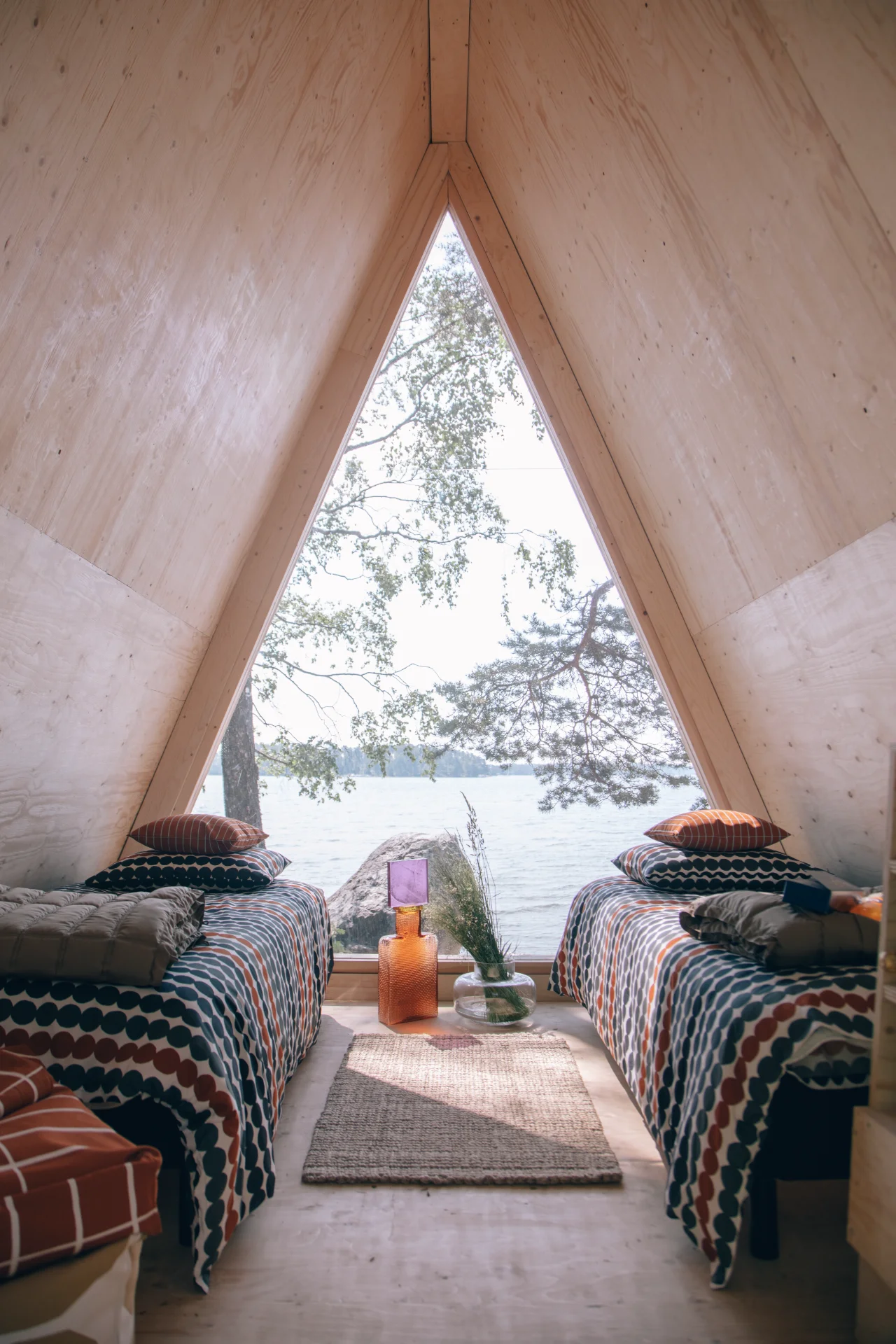
The country you should visit first depends on your trip length and what you want to experience. For a very short first trip of 3-4 days, Denmark is the easiest introduction, compact, walkable, and under 90 minutes by air from London. For a one-week scenery-focused holiday, Norway is the strongest all-round choice. For winter snow and Lapland, Finland is the clearest option.
(
)
I first came to Finland as a visitor and loved this part of the world so much I made it my home. That personal experience shapes how I plan trips for UK travellers, I want you to feel the same sense of discovery I did, not just tick off the same spots everyone else visits.
Here is how the five countries compare on the factors that matter most to first-time visitors:
| Country | Best For | Ideal Length | Budget | Car Needed? |
|---|---|---|---|---|
| Finland | Winter, aurora, Lapland | 4-7 days | Moderate | No (in cities) |
| Sweden | City plus nature | 5-7 days | High | Optional |
| Norway | Fjords and mountains | 7-10 days | Highest | Recommended |
| Denmark | Easy city break | 3-4 days | High | No |
| Iceland | Self-drive nature | 5-8 days | Highest | Yes |
All five Nordic countries saw record visitor numbers in 2025, with tourism across the region reaching new highs as international demand surged. This means transport links, English-language support, and tourist infrastructure are better than ever for first-time visitors from the UK.
What's the Cheapest Nordic Country to Visit First?
Finland is generally the least expensive of the five Nordic countries to visit, with Denmark and Iceland typically being the priciest. Sweden and Norway sit in the middle, though Norway has become noticeably more costly in recent years due to currency shifts and high domestic prices.
Here is a rough cost ranking from most affordable to most expensive:
- Finland, most affordable accommodation, food, and internal transport
- Sweden, moderate prices, especially outside central Stockholm
- Norway, high food and transport costs; fjord cruises and mountain trains add up
- Denmark, Copenhagen is pricey, but the country is compact so you spend less on travel
- Iceland, the most expensive overall, with high car hire, fuel, and restaurant costs
Sweden vs Norway: which is more expensive? Norway is now more expensive than Sweden for most categories. A restaurant meal in Oslo costs more than in Stockholm. Norwegian mountain trains and coastal ferries are costly additions to any itinerary. Sweden gives you more for your money, especially if you combine Stockholm with smaller cities like Gothenburg or Malmö. See our Sweden Destination Guide for UK Travellers for cost-aware itinerary ideas.
For UK travellers on a tighter budget, Finland offers excellent value. Helsinki city breaks are well-priced compared to Stockholm or Copenhagen, and Lapland winter trips can be surprisingly affordable when booked in advance.
Best Time of Year to Visit Scandinavia for First Timers
June to August is the most forgiving time for a first visit to all five Nordic countries. Days are long, temperatures sit between 15-25°C, roads are clear, and every attraction is open. If you want northern lights or snow, January to March is your window.
( )
)
I always ask UK travellers about their travel style, interests, and pace before recommending a season, because the wrong time can make or break a Nordic trip. Here is what each period offers:
Summer (June to August):
- Best for hiking, cycling, archipelago trips, and outdoor dining
- Midnight sun in northern Norway, Sweden, and Finland, daylight around the clock
- Busiest time, so book early
- Coolcation trends show more UK travellers picking Nordic summers over Mediterranean heat
Winter (December to March):
- Best for northern lights, snow, ice hotels, and Lapland activities
- Short days but magical light quality
- Finland and northern Norway are at their best during these months
Shoulder seasons (April-May, September-October):
- Fewer tourists and lower prices across the board
- Weather is unpredictable, pack layers
- Good for city breaks in Copenhagen, Stockholm, or Helsinki when museums and restaurants are quieter
Which Nordic Country Has the Best Northern Lights?
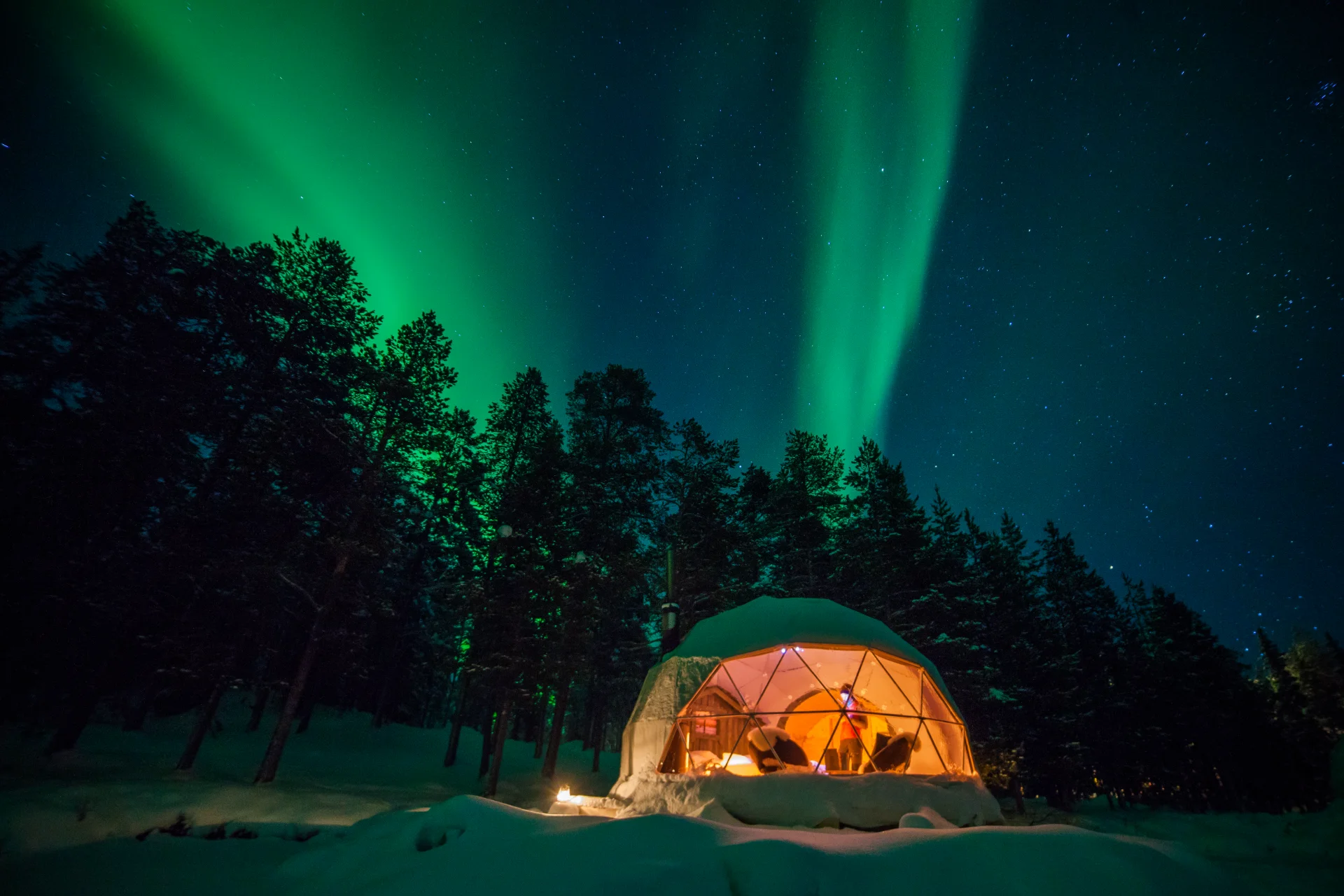
Finland and Norway are the top choices for northern lights, with Iceland close behind. All three sit within or near the auroral oval, the band of latitude where aurora sightings are most frequent.
Finland is my top recommendation for first-time aurora hunters from the UK because:
- Finnish Lapland (especially around Rovaniemi, Levi, and Saariselkä) has reliable aurora activity from late August to April
- Accommodation is more affordable than Norway or Iceland
- You can combine aurora hunting with husky sledding, sauna, snowmobiling, and reindeer visits
- English is spoken everywhere, and logistics from the UK are straightforward
Norway offers incredible aurora viewing around Tromsø, but costs are higher and winter logistics are more complex. Iceland gives you aurora chances from September to April, but coastal weather can cloud out viewing more often than in Finnish Lapland.
For the simplest northern lights trip from the UK, I recommend Finnish Lapland. You can fly direct from London or Manchester, and a 4-5 day winter break gives you strong chances of a sighting. Check our Finland & Lapland Destination Guide for detailed aurora itinerary ideas.
Is Iceland or Norway Better for Hiking and Nature?
Both are world-class hiking destinations, but they suit different types of traveller. Iceland is better for short, dramatic, otherworldly scenery, volcanic plains, geothermal pools, and waterfalls within a compact ring road. Norway is better for multi-day mountain treks, fjord-side trails, and varied terrain that changes with every valley.
What makes Iceland different from the other Nordics? Iceland is geologically younger and more active, you are walking on volcanic rock, passing steaming vents, and bathing in geothermal rivers. The other Nordic countries share a gentler, older geology of forests, lakes, and rounded mountains. Iceland feels like another planet; Norway, Sweden, and Finland feel like a beautifully maintained national park.
Iceland is the simplest concept for a self-drive nature trip. You rent a car in Reykjavík, drive the Ring Road, and within hours you are standing on a black sand beach or beside a glacier lagoon. The downside is that weather can change in minutes, and costs are high. Read our Iceland Destination Guide for self-drive planning tips.
Norway offers deeper variety, the Lofoten Islands, Trolltunga, Preikestolen, and the fjords of the west coast. You need more time and ideally a car (or careful use of trains and ferries), but the scenery rewards every minute of effort. See our Norway Destination Guide for UK Travellers for fjord-focused routes.
For a first-time visitor who wants easy-access nature with minimal planning, Iceland wins on simplicity. For a one-week trip with dramatic, varied scenery and deeper exploration, Norway is the stronger choice.
How Many Days Do You Need in Each Nordic Country?
The right duration depends on the country and what you want to see. Here is my guidance based on years of planning Nordic trips for UK travellers:
- Denmark, 3-4 days is enough for Copenhagen plus a day trip to Helsingør or Roskilde
- Finland, 4-7 days for a Helsinki plus Lapland combination; 3 days for a city break alone
- Sweden, 5-7 days for Stockholm plus one other region like Gothenburg or Kiruna
- Norway, 7-10 days to do the fjords properly without rushing; 5 days minimum for a shortened version
- Iceland, 5-8 days for the full Ring Road; 3-4 days for a South Coast highlights trip
A common mistake is trying to see too much in too little time. I have seen UK travellers attempt "all of Scandinavia in a week" and end up spending most of their holiday in airports and trains. Pick one country for a first trip, or two if they share a direct ferry or train connection.
What Makes Denmark Different from the Rest of Scandinavia?
Denmark is the flattest, most compact, and most urban-feeling of the five Nordic countries. It is the only one where you can base yourself in a single city and see the highlights without a car.
What Denmark offers that the others do not:
- Cycling culture, Copenhagen is built for bikes, and you can cycle to beaches, parks, and nearby towns on dedicated lanes
- Tivoli Gardens, the second-oldest amusement park in the world, right in the city centre
- Legoland in Billund, the original, and still the best
- Easy logistics from the UK, 90 minutes by air, one main airport, short transfers to the city centre
- A world-class food scene, Copenhagen holds more Michelin stars per capita than almost any city in Europe
Denmark is also the easiest Nordic country to get around without a car. Trains connect Copenhagen to Aarhus, Odense, and Aalborg efficiently. Cycling is a genuine transport method here, not just a tourist activity. Read our Denmark Destination Guide for UK Travellers for a car-free itinerary.
For a relaxed, low-effort first Nordic trip, Denmark is hard to beat.
Is Finland Worth Visiting or Should You Skip It?
Finland is absolutely worth visiting, and I say that as someone who came here as a tourist and never left. It is the Nordic country most overlooked by UK travellers, which makes it the best choice if you want to go beyond the usual tourist highlights.
Finland gives you:
- Lapland in winter, Santa Claus Village in Rovaniemi, husky sledding, reindeer farms, ice fishing, and snow hotels
- Helsinki city breaks, design districts, public saunas, island-hopping by ferry, and food markets
- National parks within reach of the capital, Nuuksio and Sipoonkorpi are 40 minutes from Helsinki city centre
- Lake country in summer, Saimaa and the Lakeland region are peaceful, green, and uncrowded
- The strongest sauna culture in the Nordics, over three million saunas for a population of 5.5 million
Finland is also the least expensive of the five Nordic countries, and Finnish tourism data shows growing international interest as more UK travellers discover it. If you are unsure where in Scandinavia or Nordics to visit first and budget is a factor, Finland gives you the most for your money.
Can You Visit Multiple Nordic Countries in One Trip?
Yes, and it is easier than you might think. All five Nordic countries are part of the Schengen Agreement, so border crossings are frictionless. Ferries, trains, and short flights connect the capitals efficiently.
Popular multi-country Nordic escapes include:
- Copenhagen and Stockholm, train or short flight, about 5 hours apart by rail
- Stockholm and Helsinki, overnight ferry, a genuine experience in itself
- Helsinki and Tallinn, 2-hour ferry, adding Estonia as a bonus
- Oslo and Bergen, scenic mountain railway through the Norwegian interior
For a first trip, I would not recommend more than two countries. Travel time between them eats into your holiday, and you get more depth by focusing on one place. See our Scandinavia Travel Itinerary for First-Timers for a sample two-country plan that works well from the UK.
What Are Common Mistakes People Make Planning a Nordic Trip?
I see the same mistakes come up repeatedly with UK travellers booking Nordic trips. Here are the ones I help people avoid:
Underestimating distances and travel time Norway looks compact on a map, but fjord roads wind through mountains. A "short drive" can take all day. Plan fewer stops and allow more time between them.
Booking too late for winter Lapland Lapland in December and February sells out early. The best cabins, husky safaris, and aurora lodges are gone by September. Book by August for the following winter.
Trying to do Iceland on a tight budget Iceland rewards planning and investment. A rushed, underfunded trip can feel stressful. Save up and do it properly, or choose Finland for a more affordable nature experience.
Visiting only in peak summer June to August is wonderful but busy. September offers autumn colours, fewer tourists, and lower prices. May gives you long days before the crowds arrive.
Assuming you need a guide or language skills You do not. English is spoken fluently across all five Nordic countries. Signs, menus, and transport information are widely available in English. You rarely need a guide outside of specialist activities like husky sledding or glacier hiking.
Skipping proper travel insurance for outdoor activities Norwegian hikes, Icelandic glacier walks, and Finnish winter sports carry real risks. I always ensure clients have proper cover. Book with confidence, every trip I arrange is ATOL protected, so your money is secure from the moment you pay.
Frequently Asked Questions
Do I need to speak the language in Scandinavian countries? No. English is spoken fluently by the vast majority of people in Finland, Sweden, Norway, Denmark, and Iceland. Signs, menus, and transport information are widely available in English. You will never feel stuck.
Is it safe to travel alone in the Nordics? Yes. The Nordic countries consistently rank among the safest in the world. Solo travel is common, well-supported, and low-risk.
Can I use my UK debit card everywhere? Card payments are universal, many Nordic businesses no longer accept cash at all. Contactless payment works everywhere. Bring a card with no foreign transaction fees if possible.
Which Nordic country has the best food? Denmark leads on fine dining, with Copenhagen holding multiple Michelin-starred restaurants. Sweden offers excellent meatballs, herring, and fika coffee culture. Finland is strong on market-hall food and Lapland ingredients like reindeer and cloudberry.
Do I need a visa to visit the Nordic countries from the UK? UK citizens do not need a visa for tourist visits up to 90 days in any 180-day period within the Schengen Area. All five Nordic countries are part of Schengen.
Which Nordic country is best for families with children? Finland (Lapland) is magical for families, especially in winter with Santa Claus Village and husky sledding. Denmark is excellent for younger children thanks to Legoland, Tivoli Gardens, and easy logistics. Norway suits active families who enjoy hiking and boat trips.
Conclusion
Choosing where in Scandinavia or Nordics to visit first comes down to what you want from your trip. Denmark for a short, easy city break. Norway for fjords and mountains. Finland for winter magic and northern lights. Sweden for a flexible city-plus-nature combination. Iceland for a raw, self-drive adventure.
I help UK travellers plan tailor-made Nordic and Scandinavian holidays, planned with local insight, from Helsinki city breaks and Lapland adventures to multi-country Nordic escapes. I use local knowledge from Finland to arrange handpicked Nordic experiences and practical travel arrangements that fit your travel style, interests, and pace.
Book with confidence, every trip I arrange is ATOL protected, so your money is secure. Ready to start planning? Plan Your Nordic Trip with me and I will help you decide which Nordic country should be your first.