
Best Time to Visit Lapland: November vs December vs January vs February
Quick Answer
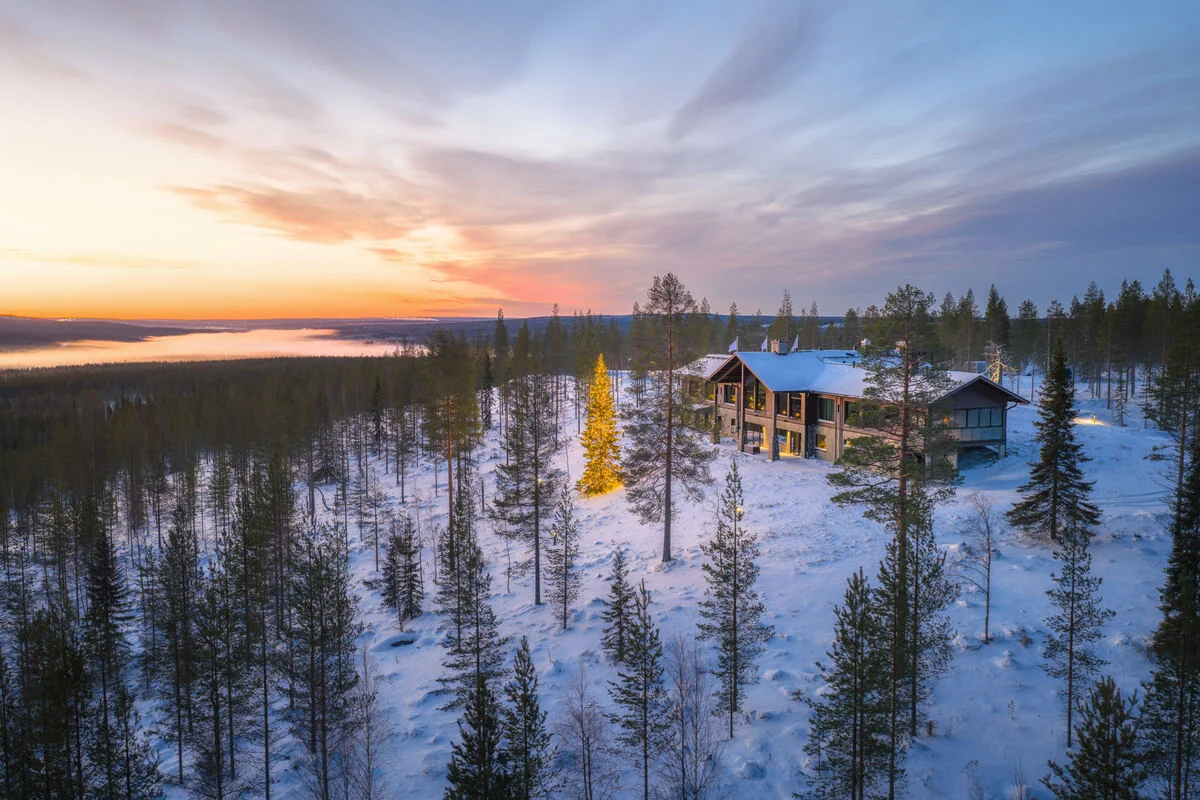
There is no single "best" month for everyone, but February edges out the competition for most first-time visitors because it pairs deep, reliable snow with noticeably longer daylight and calmer prices than December. December wins for Christmas magic and Santa experiences, January delivers the coldest, snowiest scenery with strong Northern Lights odds, and November suits budget-conscious early aurora hunters who don't mind patchy snow. I help clients pick between these four months every year, and the right answer always comes down to what you want from the trip.
Key Takeaways
- February is the most balanced month: full daylight recovery, deep snow, all activities running, and fewer crowds than December.
- December has the highest prices and shortest days but unmatched Christmas atmosphere, especially around 18-21 December.
- January is the coldest and snowiest month, with strong Northern Lights odds under clear, dry Arctic air.
- November is quieter and cheaper but snow cover can be unreliable and some activities haven't started yet.
- Northern Lights odds peak from late November through mid-January, though February still offers good viewing with longer, brighter days either side.
- Families with young children generally do better in February than in the darker, colder heart of winter.
- Dog sledding, snowmobiling and reindeer sleigh rides run most reliably from mid-December through February.
- Daylight hours swing dramatically across these four months, from a few hours of dim light in December to a proper morning-to-afternoon window by February.
Best Time to Visit Lapland: November vs December vs January vs February at a Glance
Each month brings a genuinely different version of Lapland, and picking between them means weighing daylight, snow depth, activity availability and cost against each other. Here's how the four months stack up side by side.
| Month | Daylight | Snow & Cold | Northern Lights Odds | Crowds & Price |
|---|---|---|---|---|
| November | 4–6 hrs, dim | Patchy, arriving late | Good | Quiet, cheapest |
| December | 3–5 hrs, darkest | Reliable by mid-month | Good but cloud risk | Highest of all four |
| January | 5–7 hrs, brightening | Deepest snow, coldest | Best | Moderate, better value |
| February | 7–9 hrs, bright | Deep snow, still cold | Good | Moderate, family-friendly |
I plan a lot of tailor-made Nordic & Scandinavian holidays around this exact table, matching each family's travel style, interests, and pace to the month that suits them rather than pushing everyone toward December just because it's the obvious choice.
What's the Weather and Daylight Like Month by Month
November and December feel similar on paper but behave very differently on the ground: November is a transition month with unreliable snow, while December usually locks in proper winter conditions by mid-month, according to Lapland trip planning guidance. Daylight also drops fast between these two months, shrinking toward the winter solstice around 21 December.
Here's how the daylight and temperature pattern typically runs across the four months, based on seasonal patterns reported by Lapland travel resources:
- November: roughly 4-6 hours of dim daylight, temperatures often hovering close to freezing, snow cover patchy until late in the month.
- December: the shortest days of the year around the solstice, but temperatures firm up and snow becomes dependable by mid-month.
- January: colder still, often the coldest month of the whole year, but daylight is visibly stretching back out.
- February: brighter days with a proper blue-hour glow, cold but stable, and the deep snow from January still holding firm.
Common mistake: assuming November and December have interchangeable weather. They don't. If snow-guaranteed activities matter to you, mid-December onward is the safer bet.
When Is It Darkest in Lapland, and Does That Affect Northern Lights Viewing
The darkest point of the year falls around the winter solstice on 21 December, when parts of Finnish Lapland north of the Arctic Circle see no true sunrise at all. Darker skies generally help aurora visibility, but cloud cover matters just as much as darkness.
Longer dark hours in December and January give you more windows to catch the aurora, but a heavily overcast sky beats a technically dark one every time. This is one reason experienced local guides watch the forecast hour by hour rather than just booking a fixed "aurora night."
Best Month to See the Northern Lights in Lapland
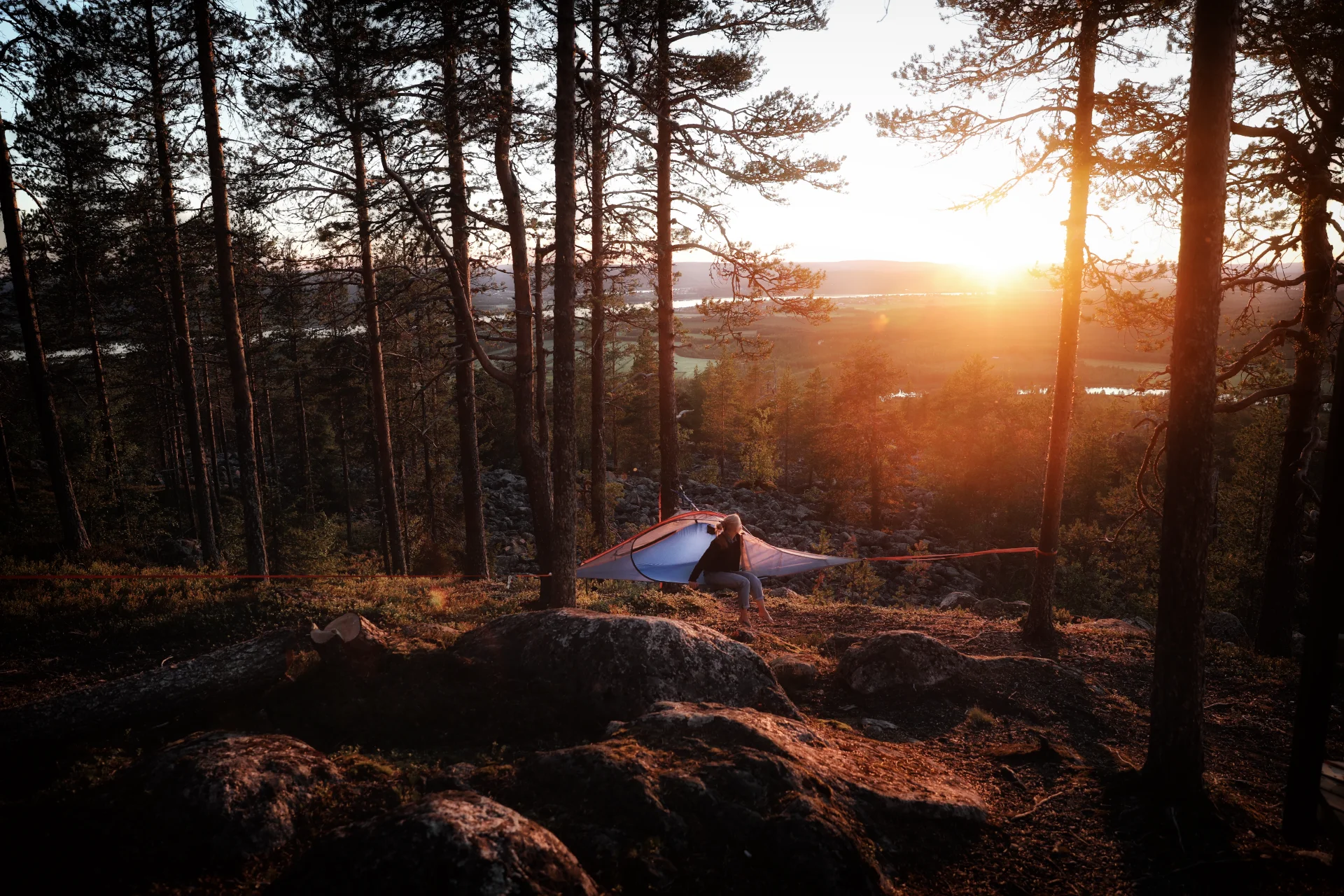
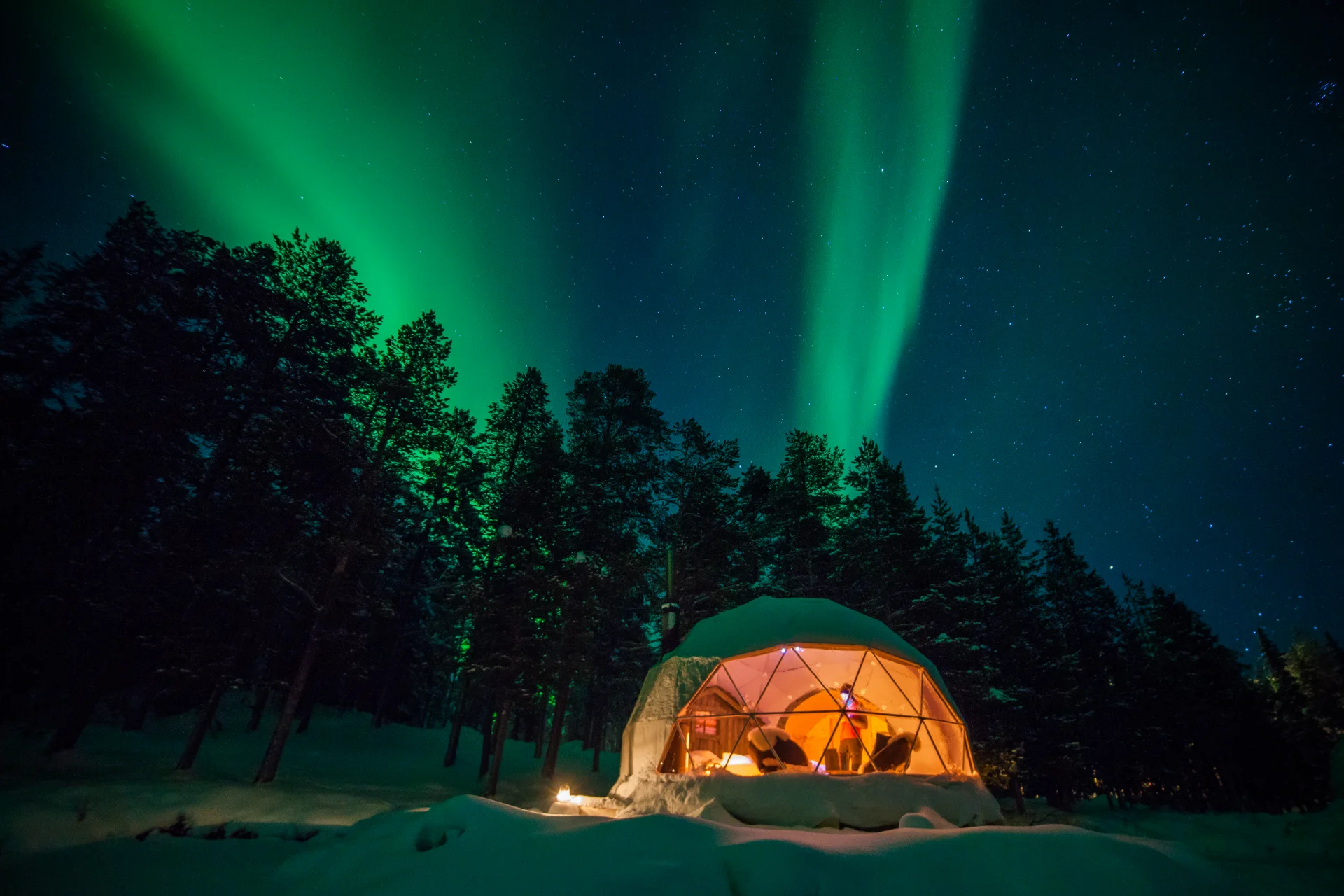
The best odds for the Northern Lights generally run from late November through mid-January, when nights are long, skies are frequently clear, and solar activity tends to be active. February remains a solid choice too, with slightly shorter dark windows but often crisper, less cloudy conditions.
- November: dark early, good odds, though early-season cloud can interrupt viewing.
- December: darkest month, but coastal and inland cloud patterns can be hit or miss, per winter Lapland guidance.
- January: often cited as the strongest month overall for clear, cold, aurora-friendly nights.
- February: shorter dark window but frequently clearer skies, still very much worth chasing lights during evenings.
Decision rule: choose January if the Northern Lights are your single top priority. Choose February if you want good aurora odds without sacrificing daylight for daytime activities.
Is November Too Early to Visit Lapland for Winter Activities
November isn't too early exactly, but it is the least predictable month, and some activities like husky and reindeer programmes may run on limited snow or be delayed until conditions firm up. It's the right choice for budget-conscious travellers and early aurora chasers who are flexible about which activities run.
If you're considering November, plan around these points:
- Pack proper thermal layers, waterproof boots and a windproof outer shell; ground conditions vary week to week.
- Confirm with your operator (or with me directly) which specific activities are guaranteed versus weather-dependent.
- Expect thinner crowds and noticeably lower prices than the December rush.
- Treat it as an aurora-and-scenery trip first, and a full activity trip second.
I flag this honestly with clients every year: November suits adaptable travellers, not families expecting a guaranteed white Christmas card scene.
Lapland December Crowds and Prices Compared to Other Winter Months
December carries the highest prices and busiest crowds of the four months, driven almost entirely by Christmas demand and school holiday timing. If Santa visits and festive markets matter more to you than saving money, December is worth the premium, and the window from 18-21 December often balances Santa magic, solid aurora odds and slightly calmer pricing than the very peak days around Christmas Eve.
- Flights and lodges book out fastest for the fortnight either side of 25 December.
- Santa-focused family programmes are almost exclusively a December feature, covered in detail in my guide to whether Christmas is the best time to visit Lapland.
- You can still catch the Northern Lights in December, but cloud cover can be more variable than in January, per Christmas-season travel research.
- For families booking a festive trip specifically, my Lapland Christmas holidays booking guide walks through timing and lodge choices in more detail.
Edge case: if you want Christmas atmosphere without peak pricing, look at early-to-mid December rather than the week of the 25th itself.
Lapland January vs February: Which Is Colder and Snowier, and What About Dog Sledding
January is colder and holds deeper snow than February, but February offers longer daylight and is generally regarded as the better all-round month for most travellers, according to several Lapland winter guides and regional tourism sources. Both months run a full activity programme.
- Temperature: January frequently dips lower, sometimes well below -20°C inland; February is cold but slightly milder.
- Snow depth: January's snowpack is usually at its thickest, though February still has plenty for sledding and skiing.
- Dog sledding and reindeer sleigh rides: both run reliably in January and February, per winter activity roundups, though February's brighter days make for better photos and a more comfortable experience for children and older travellers.
- Families: February is consistently the preferred month for family trips, thanks to warmer daytime light and slightly less brutal cold.
"February gives you the postcard snow of deep winter without asking your kids to function on four hours of daylight.", a pattern I see again and again when planning family trips.
Early Season vs Late Season: What Actually Changes in Lapland
Early season (November to mid-December) means unpredictable snow, dim light and lower prices, while late season (January to February) means dependable snow, longer daylight and steadier activity schedules. The trade-off is essentially reliability versus cost and crowd size.
- Early season pros: cheaper rates, fewer tourists, decent aurora chances.
- Early season cons: snow can be thin, some activities weather-dependent.
- Late season pros: full activity programme, brighter days, still genuinely wintery.
- Late season cons: prices creep back up in February half-term weeks, and January cold can be intense.
Common Mistakes People Make When Choosing When to Visit Lapland
The single biggest mistake is assuming every winter month looks the same in photos, then being surprised by how dark December actually is or how thin the snow can be in early November. A close second is booking peak Christmas week purely for a lower price point without checking what's actually guaranteed to run.
- Booking November expecting guaranteed snow-covered activities.
- Assuming December automatically means the best Northern Lights odds.
- Ignoring daylight hours when travelling with young children or older relatives.
- Skipping local advice on which week within a month actually suits your priorities.
This is exactly the kind of detail I sort out before you book, drawing on local knowledge from Finland rather than a generic brochure description.
Which Month Should You Choose?
Choose December if Christmas atmosphere is non-negotiable, January if the Northern Lights and deep snow scenery top your list, February if you want the best all-round balance for families, and November if budget and quiet trails matter more than guaranteed snow. There's no wrong answer here, only the wrong month for your priorities.
I've built full itineraries around every one of these scenarios, including my 9-day Finland and Lapland itinerary for first-time visitors, and I always start by asking what you actually want to feel on the trip rather than what month looks best in a marketing photo.
Quick month picker
Northern Lights priority: January first, February close second.
Christmas magic priority: December, ideally 18-21 December.
Family comfort priority: February.
Budget and quiet trails priority: November.
FAQ
Is February really better than December for a first Lapland trip? For most families, yes. February brings longer daylight and calmer prices while still offering deep snow and full activities, whereas December is darker and pricier despite the festive appeal.
Can you see the Northern Lights in December in Lapland? Yes, December darkness helps, but cloud cover can interrupt viewing more often than in January, so treat any December sighting as a bonus rather than a guarantee.
Is January or February better for dog sledding? Both months run full dog sledding and reindeer sleigh programmes reliably. January has deeper snow and colder air, February offers brighter light for photos and a slightly gentler cold.
Is November too cold or too early for a Lapland holiday? November isn't too early, but snow cover can be inconsistent until later in the month, so some snow-dependent activities may be limited or weather-dependent.
How many daylight hours does Lapland get in December compared to February? December can drop to just a few hours of dim daylight around the solstice, while February typically offers seven to nine hours of proper daylight.
What is the single best month for a Christmas-themed trip? December, specifically the days from 18-21, tends to balance Santa experiences, decent aurora odds and slightly calmer pricing than the days immediately around Christmas Day itself.
Which month has the most reliable snow? January and February both offer the deepest, most reliable snowpack, with January usually holding the coldest, driest conditions of the year.
Conclusion
Choosing between November, December, January and February in Lapland comes down to matching the month to what you actually want from the trip, not chasing whichever version looks best on social media. I help clients cut through the noise every winter, weighing daylight, snow reliability, crowds and cost against real family priorities rather than generic advice.
If you're still weighing up dates, get in touch and I'll walk you through handpicked Nordic experiences that fit your travel style, interests, and pace, from practical travel arrangements and ATOL-protected flights through to the small local touches that take a trip beyond the usual tourist highlights. Book with confidence, and let's find the exact week of the exact month that works for you.
Meta Title: Lapland: November vs December vs January vs February Guide
Meta Description: Compare weather, snow, Northern Lights odds, crowds and prices for Lapland in November, December, January and February to pick your ideal month.
Tags: Lapland winter travel, best time to visit Lapland, Northern Lights Finland, Lapland Christmas holidays, Finnish Lapland activities, Arctic Circle travel, dog sledding Lapland, reindeer sleigh rides, Lapland family holidays, aurora borealis viewing, winter travel planning, Finland travel guide