
12 Nordic Travel Experiences to Add to Your Bucket List
Last updated: October 26, 2026
Quick Answer
The best Nordic bucket list experiences mix winter spectacle with summer light: aurora hunting in Lapland or Tromsø, dogsledding, a Finnish sauna and ice swim, Norway's fjords by boat or train, Iceland's Ring Road, midnight sun hiking, and Copenhagen and Stockholm food scenes. I'm Mike, a British expat living in Helsinki, and I plan tailor-made Nordic and Scandinavian holidays with local insight. Most UK travellers need 7-14 nights and should budget roughly £150,£350 per person per day depending on season.
Key Takeaways
- The 12 Nordic travel experiences to add to your bucket list span five countries: Finland, Sweden, Norway, Denmark and Iceland.
- Winter (December, March) is for aurora, huskies and Santa. Summer (June, August) is for midnight sun, fjords, islands and the growing "coolcation" trend.
- Aurora is realistic only above or near the Arctic Circle, Denmark is effectively out.
- "Scandinavia" means Denmark, Norway and Sweden. "Nordics" adds Finland, Iceland, and the Faroes, Greenland and Åland.
- Plan 3-4 nights for one city, 7-9 for one country, 12-14 for a multi-country Nordic escape.
- Budget options exist: shoulder season, public saunas, national parks, supermarket lunches and Everyman's Right camping.
- Solo travel here is among the easiest in Europe thanks to safety, English fluency and excellent public transport.
- The biggest mistakes: too many cities in too few days, underestimating distances, and under-packing for cold.
1. What are the 12 Nordic travel experiences to add to your bucket list?
Here are the twelve I return to again and again with clients, chosen because each one is genuinely hard to replicate anywhere else on earth.
- Chasing the Northern Lights in Finnish Lapland or Tromsø. Aurora season runs roughly late September to late March. Base yourself away from town lights and give yourself at least three nights.
- Husky sledding through frozen forest. Not the 10-minute car-park version, a half-day safari where you drive your own team.
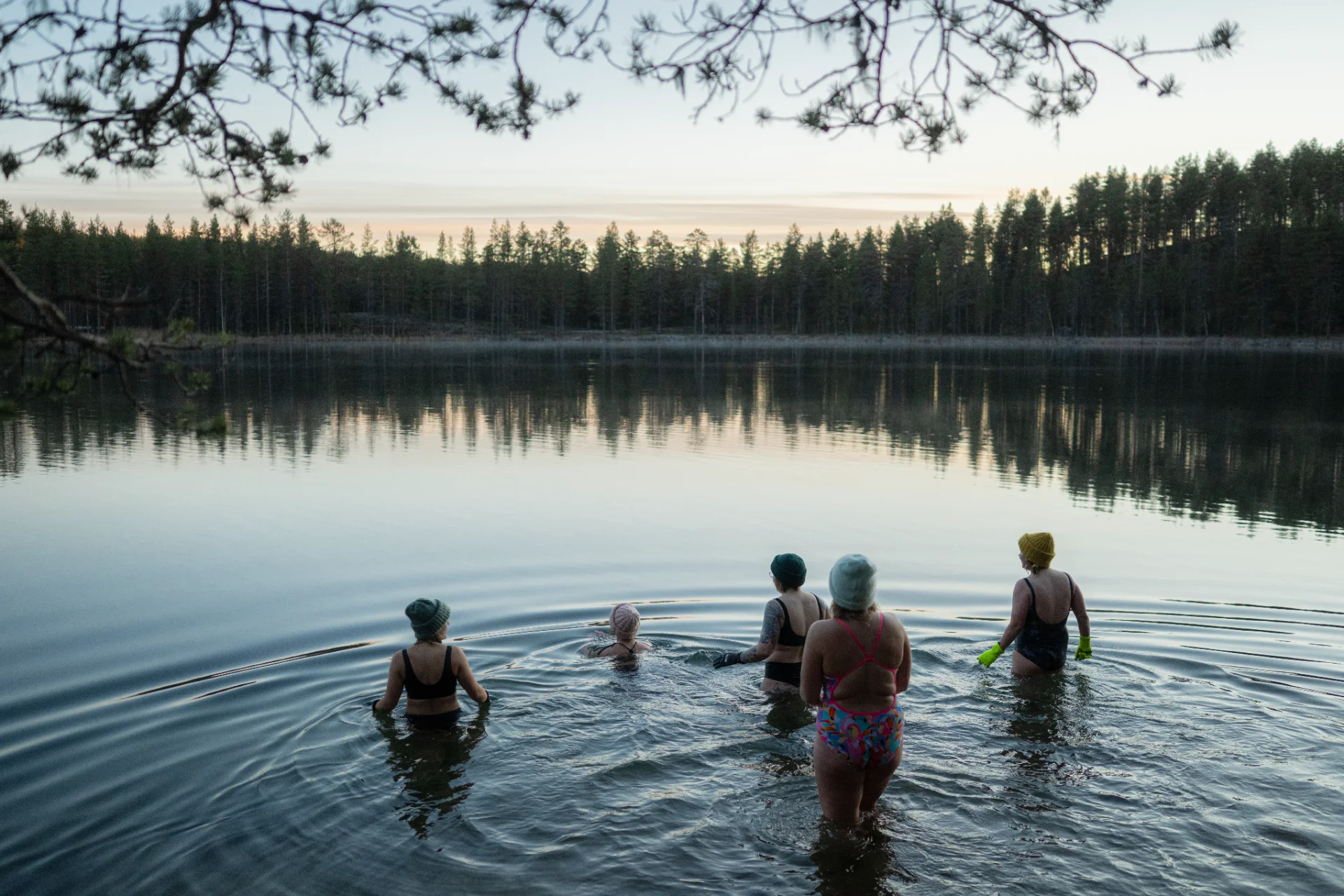
- A proper Finnish sauna followed by an ice swim. Helsinki's public saunas are the real thing, not a hotel add-on. Read more in my sauna and detox trip guide for Finland and Scandinavia.
- Norway's fjords by train and boat. The Flåm Railway plus a Nærøyfjord cruise is still, for me, the single best half-day in Scandinavia.
- Iceland's Ring Road. A week to ten days circling glaciers, black sand beaches and geothermal valleys. Iceland's Ring Road and trekking routes regularly top lifetime-experience lists.
- Midnight sun in June. Hiking at 11pm in daylight genuinely rewires how you think about time.
- Stockholm's archipelago by ferry. Nearly 30,000 islands. Pick two, stay overnight on one.
- Copenhagen's food scene on a budget. Street food halls, bakeries and smørrebrød rather than tasting menus.
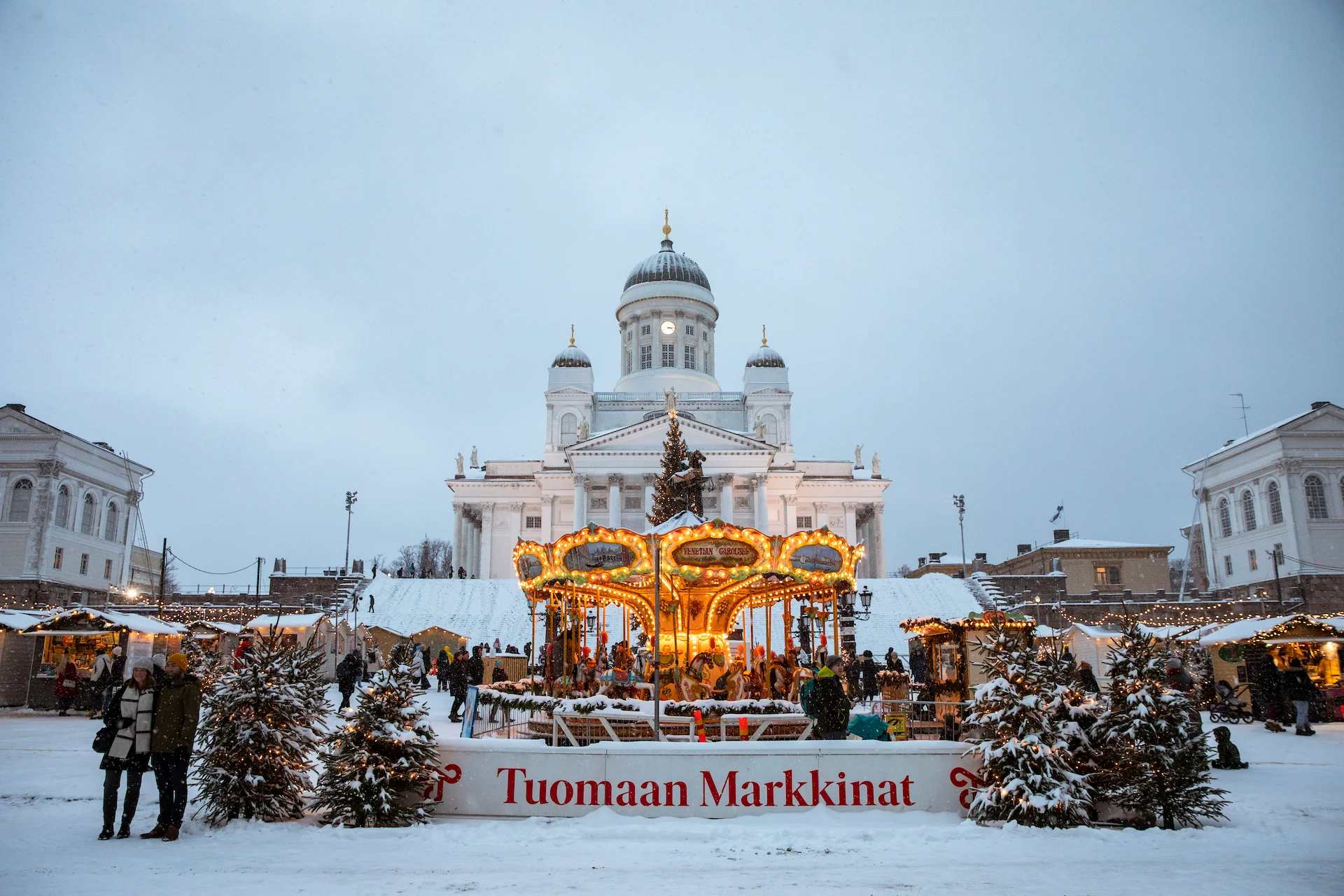
- Meeting Santa and reindeer in Rovaniemi. Yes it's touristy, and with young children it's still unmatched.
- A coastal voyage along Norway's working shipping route. Small ports, Arctic Circle crossing, zero fuss.
- Sleeping in a glass igloo or ice hotel. One night is plenty. Two gets cold.
- A Baltic overnight ferry between Helsinki and Stockholm. Two capitals, one night, no flight.
That list isn't fixed. I build itineraries around your travel style, interests, and pace, so some clients swap Santa for Lofoten or the Ring Road for the Faroes.
2. What's the difference between Scandinavia and the Nordics?
Scandinavia is Denmark, Norway and Sweden. The Nordics include those three plus Finland, Iceland and the autonomous territories of the Faroe Islands, Greenland and Åland. It matters for planning because Finland and Iceland have different languages, different flight routes and, in Iceland's case, a very different landscape.
If someone sells you a "Scandinavian" trip that includes Reykjavík, they're being loose with geography. If you're unsure which country suits you, my country-by-country comparison of where to visit first is the quickest way to narrow it down.
3. What's the best time to visit, and should you go in summer or winter?
Go in winter for aurora, snow and Christmas; go in summer for fjords, islands, midnight sun and long hiking days. Both are peak seasons at different latitudes, and the shoulder months of May, September and early October usually give the best value.
| Season | Best for | Watch out for |
|---|---|---|
| Dec, Mar | Aurora, huskies, ice hotels, Santa | Very short daylight; Christmas prices peak |
| Apr, May | Low crowds, cheap flights | Melting snow, some activities closed |
| Jun, Aug | Midnight sun, fjords, archipelagos | Busiest in Norway and Iceland |
| Sep, Oct | Autumn colour, early aurora, value | Weather turns quickly in the north |
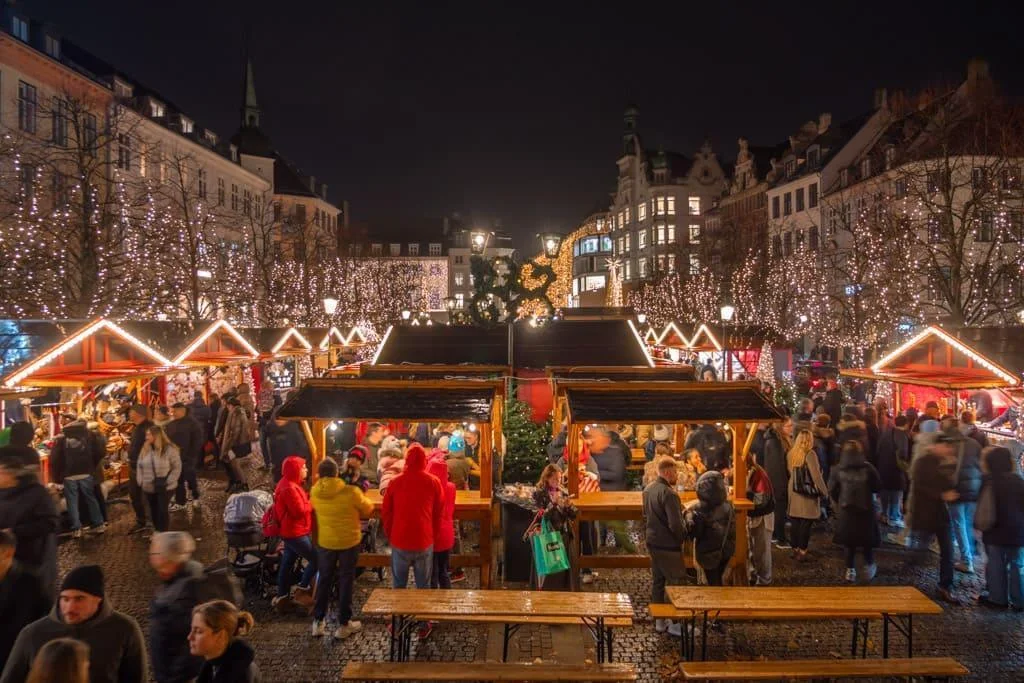
Autumn is quietly becoming a favourite window, autumn in Norway is now treated as a genuine shoulder-season draw rather than an off-month. Summer demand has also climbed sharply, with overnight bookings across the Nordics surging into early autumn and Baltic Sea routes growing on the back of the coolcation trend. My Nordic summer coolcation guide covers that in depth.
Decision rule: if aurora is the point of the trip, travel January, March. If you've only got school summer holidays, go to Norway or Sweden rather than chasing lights you won't see.
4. Can you see the Northern Lights in all Nordic countries?
No. Reliable aurora viewing needs high latitude, dark skies and clear weather. Finnish Lapland, northern Sweden, northern Norway (Tromsø, Alta, Lofoten) and most of Iceland are all strong. Southern Sweden and Finland get occasional displays. Denmark is realistically a no.
- Highest odds: Tromsø, Abisko, Rovaniemi and north, Iceland's north coast
- Possible on strong nights: Oslo, Stockholm, Helsinki
- Not worth planning around: Copenhagen, Aarhus, southern Denmark
Common mistake: booking a single night and expecting a guarantee. Aurora is weather-dependent. I build in three or more dark nights and, where possible, a mobile chase tour that drives to clear skies. My guide to a Northern Lights trip to Norway from the UK explains how I structure those nights.
5. How much does a Nordic vacation typically cost?
As a planning guide for UK travellers in 2026, budget roughly £150,£250 per person per day for a city break, £250,£400 for a Lapland winter trip with guided activities, and £200,£300 for an Iceland road trip. These are estimates based on my own bookings, not published figures, and they exclude flights.
Rough per-person daily ranges, excluding flights:
- Budget: £110,£160 (hostels or apartments, self-catering, free nature, public transport)
- Mid-range: £180,£280 (3-4 star hotels, one paid activity a day, a restaurant meal)
- Premium: £350+ (glass igloos, private guiding, fine dining)
Accommodation is the biggest swing. Nordic hotel demand has been strong, with record performance across Nordic hotel markets in 2026, which is exactly why Lapland rooms for Christmas sell out a year ahead. For specifics, see my Lapland holiday cost guide for UK travellers.
6. Are there budget-friendly Nordic travel experiences?
Plenty. Some of the best Nordic experiences cost almost nothing, because the culture values access to nature over paid attractions.
- Public saunas in Helsinki and Tampere (usually £10,£20)
- National parks, Nuuksio near Helsinki, Þingvellir in Iceland, Oslomarka
- Allemansrätten (Everyman's Right) wild camping in Sweden, Norway and Finland
- Supermarket lunch: rye bread, smoked fish, berries
- City bikes and ferries included on travel cards (Helsinki's Suomenlinna ferry runs on a standard tram ticket)
- Free museum days and student-style lunch deals on weekdays
Travel in May or late September and you'll often halve your accommodation cost for the same scenery.
7. What are the best Nordic travel experiences for families?
For families, the strongest picks are Rovaniemi in winter, Copenhagen in summer, and the Stockholm archipelago. All three combine short travel distances, child-friendly food and activities that work for a range of ages.
- Under 8s: Santa Claus Village, reindeer farms, a gentle husky ride, Tivoli Gardens in Copenhagen
- 8-14s: snowmobiling (passenger), ice karting, Iceland's geysers and lava caves, Vasa Museum in Stockholm
- Teens and adults: Lofoten hiking, Ring Road driving, fjord kayaking, Helsinki food tours
Edge case: aurora tours often have minimum ages of 8 or 12, and late-night timings rarely suit small children. With under-fives I'd skip the lights entirely and focus on daytime snow activities. See my Lapland Christmas holiday guide for timing and booking windows.
8. How many days do you need, and how do you get around between Nordic countries?
Allow 3-4 nights per city, 7-9 nights for one country properly, and 12-14 nights for a multi-country Nordic escape. Getting around is straightforward: short flights, overnight ferries and genuinely excellent trains.
- Flights: Oslo, Copenhagen or Helsinki, Stockholm takes about an hour and is often cheapest
- Trains: Copenhagen, Stockholm and Oslo, Bergen are scenic and reliable; sleeper trains run to Swedish Lapland
- Ferries: Helsinki, Stockholm overnight, Copenhagen, Oslo overnight
- Car hire: essential for Iceland's Ring Road and rural Norway, unnecessary in any capital
Decision rule: fewer than 10 nights, stick to one or two countries. My 12-14 night Denmark, Sweden and Norway itinerary shows what a sensible multi-country pace actually looks like.
9. What do you actually need to pack for Nordic travel?
For winter, the non-negotiables are thermal base layers (merino, never cotton), insulated waterproof boots, and a windproof outer shell. For summer, pack layers, rain gear and an eye mask for the midnight sun.
Winter checklist:
- Merino base layer top and bottoms
- Mid-layer fleece or wool jumper
- Windproof, waterproof outer jacket and trousers
- Insulated boots rated to at least -20°C, plus wool socks
- Hat, buff, mittens over gloves
- Hand warmers and a spare phone battery (cold kills batteries fast)
Most Lapland operators include thermal oversuits and boots for activities, so don't buy a full Arctic wardrobe before asking. Year-round, I'd also sort connectivity before you fly, see my eSIM guide for travelling abroad.
10. Is Nordic travel good for solo travellers, and are there less touristy experiences?
Yes on both counts. The Nordic countries are among the safest and easiest places in Europe to travel alone: English is widely spoken, public transport is dependable, and solo dining is completely normal.
Quieter alternatives worth building a trip around:
- Instead of Rovaniemi: Saariselkä, Ylläs or Finnish Lakeland
- Instead of Bergen: Ålesund, Senja or the Helgeland coast
- Instead of the Golden Circle: Iceland's Westfjords or East Fjords
- Instead of central Stockholm: Gotland or the outer archipelago
- Instead of Copenhagen only: Aarhus and Funen
A 2026 Nordic destination survey found visitors increasingly seek calm, silence and low-stimulus nature, which matches what I hear from clients almost weekly. Going beyond the usual tourist highlights is the whole point of handpicked Nordic experiences.
11. What are common mistakes people make visiting the Nordics?
The most frequent error I see is treating the region as one small country. Oslo to Rovaniemi is roughly the distance from London to Morocco.
- Cramming four capitals into seven nights
- Booking Lapland Christmas accommodation too late (sold out 9-12 months out)
- Expecting guaranteed aurora on a two-night trip
- Underestimating darkness in December, Rovaniemi gets a few hours of twilight
- Eating every meal in restaurants and blowing the budget by day three
- Hiring a car for a city break where it's a liability
- Ignoring a forecast visitor levy in some popular spots, now emerging in key coolcation hotspots
Clarification on that last point: levies vary and change, so I confirm current charges at the time of booking rather than relying on old blog posts.
12. Is a Nordic trip worth the money for first-time visitors?
Yes, if you choose your season and keep the route tight. The Nordics are expensive compared with southern Europe, but the value sits in landscapes, safety, cleanliness and experiences you can't buy elsewhere. Norway and Iceland in particular remain the core summer bucket-list destinations, and the Scandinavian capitals work well as accessible twin-centre trips for first-timers. Specialist operators publishing their own 2026 Nordic bucket lists and Scandinavian lifetime-experience round-ups tend to agree on the same shortlist.
Choose a Nordic trip if you value nature, design, food and quiet over nightlife and guaranteed sunshine. Skip it if your priority is cheap beach heat.
FAQ
When is aurora season in Lapland? Roughly late September to late March, with the most reliable conditions from January to March when skies are clearest and nights longest.
Do I need to hire a car in Iceland? For the Ring Road or South Coast, yes. For a Reykjavík-only break, no, day tours cover the main sights.
Is English widely spoken? Yes. English fluency is high across Finland, Sweden, Norway, Denmark and Iceland, especially in cities and the tourism trade.
How cold does Lapland get? Typically -5°C to -25°C in midwinter, occasionally colder. Dry cold feels more manageable than damp British cold, with proper layers.
Can I see Santa and the Northern Lights on the same trip? Yes, Rovaniemi offers both. Allow at least four nights so you have multiple chances at clear skies.
What's the cheapest Nordic country to visit? Finland and Denmark generally work out lower than Norway and Iceland, especially outside the capitals.
Are Nordic trips good in shoulder season? Yes. May, September and early October offer lower prices, fewer crowds and, in September, early aurora in the north.
How far ahead should I book Lapland at Christmas? Nine to twelve months. The best cabins and glass igloos for late December sell out well over a year in advance.
Is tap water safe to drink? Yes, throughout the Nordics. Icelandic and Finnish tap water is among the cleanest in the world, bring a refillable bottle.
Do I need a visa as a UK traveller? No visa for short stays, but check passport validity and the current entry rules on the UK government's foreign travel advice pages before you fly.
Conclusion: turning the bucket list into a booked trip
The twelve experiences above aren't a checklist to complete in one go. They're a menu. My advice, after years of planning these trips from Helsinki, is to pick one season and one or two countries, then go deep rather than wide.
Your next steps:
- Decide winter or summer. That single choice eliminates half the options and makes everything else easier.
- Pick two or three experiences from the list that genuinely excite you, and build the route around them.
- Check your dates against booking windows. Christmas Lapland and peak-summer Norway need the earliest commitment.
- Sort the practical travel arrangements, flights, transfers, internal trains and ferries, as one joined-up plan, not separate bookings.
If you'd rather not do that alone, that's exactly what I'm here for. I offer tailor-made Nordic and Scandinavian holidays planned with local insight, from Helsinki city breaks and Lapland adventures to multi-country Nordic escapes, all ATOL protected through The Independent Travel Consultants so you can book with confidence. Start with my plan your Nordic trip page or get in touch directly and tell me what's on your list.