
Iceland Ring Road Guide: How to Plan an Unforgettable Road Trip
Last updated: October 24, 2026
Quick Answer
Iceland's Ring Road (Route 1) is a 1,322 km paved loop around the island that takes most travellers 8 to 12 days to drive properly. Summer (June, August) offers near-24-hour daylight and the easiest conditions; winter driving is possible but requires a 4x4, studded tyres and genuine flexibility, because storm closures are routine. Budget roughly £1,400,£2,500 per person for a 10-day self-drive from the UK, excluding flights. This Iceland Ring Road Guide: How to Plan an Unforgettable Road Trip walks you through timing, vehicles, costs, stops and the mistakes I see most often.
Key Takeaways
- The Ring Road is about 1,322 km; pure driving time is roughly 17 hours, but that figure is meaningless without stops.
- Eight days is the realistic minimum. Ten to twelve is where the trip stops feeling rushed.
- Summer suits first-timers and beginner drivers. Winter suits confident drivers who accept plans may change.
- A 2WD car is fine for the Ring Road and Golden Circle in summer. A 4x4 matters for winter and for F-road or gravel detours.
- Winter tyres are a legal requirement in Iceland during the cold months.
- Check live road alerts and closures before every single driving leg, not just the morning of departure.
- Shorter alternatives exist: the South Coast out-and-back, the Golden Circle, or Snæfellsnes Peninsula all work in 3-5 days.
- Solo travel on the Ring Road is common and manageable, with sensible precautions.
How long does it take to drive the Ring Road in Iceland?
Non-stop, the full loop takes around 17 hours of driving. Nobody does that. With stops, photo breaks, short hikes and weather delays, plan on 8-12 days to complete the circuit comfortably.
Here's how the distance actually breaks down in practice:
| Leg | Approx. distance | Realistic driving time |
|---|---|---|
| Reykjavík → Vík (South Coast) | 190 km | 2.5-4 hrs with stops |
| Vík → Jökulsárlón | 190 km | 2.5-3 hrs |
| Jökulsárlón → Höfn/East Fjords | 200 km | 3 hrs |
| East Fjords → Lake Mývatn | 260 km | 4 hrs |
| Mývatn → Akureyri | 100 km | 1.5 hrs |
| Akureyri → Reykjavík | 390 km | 5 hrs |
Decision rule: if you only have 6 days, don't attempt the full loop. Drive the south coast out and back, or add a flight between Reykjavík and Akureyri. A rushed circuit is the single most common regret I hear from clients.
How many days should I spend on the Ring Road?
Ten days is the sweet spot. Eight is workable if you're happy with long driving days. Twelve to fourteen lets you add the Westfjords, Snæfellsnes or a highland detour without feeling like you're racing daylight.
- 7-8 days: fast circuit, 3-4 hours driving most days, limited hiking.
- 9-11 days: the version I recommend most. Two-night stays in Vík, Mývatn and the East Fjords.
- 12-14 days: add Snæfellsnes Peninsula and the Westfjords, plus buffer days for weather.
A quick example from a couple I planned for last spring: they insisted on seven nights, then emailed me from Egilsstaðir asking to extend. We moved their flights and added two nights in the north. They told me afterwards those two unhurried days were the best of the trip.
For a gentler introduction, my 8-day Iceland itinerary covering Reykjavík, the Golden Circle and South Coast is a solid starting framework.
What's the best time of year to do the Iceland Ring Road?
June to early September is the easiest and most reliable window: all roads open, near-endless daylight, and every guesthouse operating. May and late September are the value shoulder months with fewer coaches. Winter is beautiful but unpredictable.
- Summer (Jun, Aug): 20+ hours of usable light, warm-ish (10-15°C), highest prices, busiest car parks. Best for beginners.
- Autumn (Sep, Oct): autumn colour, aurora returning, prices dropping. Storms begin. Roadworks and resurfacing commonly affect Route 1 stretches in autumn, so check alerts.
- Winter (Nov, Mar): aurora, ice caves, empty landscapes. Short daylight (4-5 hours in December) and frequent closures.
- Spring (Apr, May): thaw, waterfalls at full force, lambs everywhere, some highland roads still shut.
If you want the Ring Road without stress, go in June. If you want the Ring Road with drama, go in February and build in spare days.
Can you do the Ring Road in winter?
Yes, but a full winter circuit is never guaranteed. Mid-October 2026 storms closed sections of Route 1 outright, and that kind of volatility is normal from late autumn through spring. Treat the winter loop as an intention, not a schedule.
What a winter Ring Road trip requires:
- A 4x4 with studded winter tyres (winter tyres are legally mandated in the cold season).
- Daily checks of Iceland's road condition portal before each leg.
- Driving only in daylight, which in December means roughly 11am, 3pm.
- Two or three completely empty buffer days.
- Accommodation booked with flexible cancellation, ideally no more than two nights ahead.
Official travel advice for Iceland is blunt about winter hazards: sudden whiteouts, black ice and extreme wind. The most underrated winter danger isn't snow, it's wind ripping a car door off its hinges, which rental insurance frequently excludes.
Choose a winter Ring Road only if you've driven in snow before, you have 12+ days, and you'd genuinely be fine turning back. Otherwise, do a South Coast winter trip instead.
Is the Ring Road safe to drive, and is it possible for beginner drivers?
The Ring Road is fully paved, well-maintained and safe for a competent driver in summer. It's not technically difficult. The hazards are environmental and behavioural rather than mechanical.
Beginner-friendly in summer: yes, with caveats. Iceland drives on the right, roads are mostly two-lane with no central barrier, and many bridges are single-lane. Speed limits are 50 km/h in towns, 80 km/h on gravel, 90 km/h on paved rural roads, and enforcement by speed camera is strict with substantial fines.
Specific hazards worth rehearsing before you go:
- Single-lane bridges. The vehicle closer to the bridge has priority. Slow right down.
- Sheep. They wander onto Route 1 constantly in summer. Hitting one is your financial responsibility.
- Gravel transitions. Paved to gravel at speed causes a high share of rental write-offs.
- Wind. Open doors into the wind, never with it.
- Blind summits marked "blindhæð", move right and ease off.
If you've never driven abroad, my guide to travelling to Iceland from the UK covers the practical arrival logistics, including Keflavík car collection.
What car do I need, and do I need 4WD for the Iceland Ring Road?
You do not need 4WD for the Ring Road itself in summer. Route 1 is entirely paved, and a small 2WD hatchback handles it fine. You do need 4WD for winter driving, F-roads into the highlands, and some gravel side roads to remote spots.
| Vehicle | Best for | Rough cost/day |
|---|---|---|
| Compact 2WD | Summer loop, 2 people, budget focus | £45,£70 |
| Mid-size 2WD estate | Summer loop with luggage, 3-4 people | £70,£95 |
| 4x4 SUV | Winter, gravel detours, confidence | £100,£160 |
| Campervan | Summer, flexible, saves on lodging | £110,£180 |
Expert consensus holds that 4WD matters for remote detours rather than for the paved loop or the Golden Circle. The same applies to the Golden Circle route, which is paved throughout but becomes winter-sensitive with ice.
Always take: gravel protection insurance, sand and ash protection (SAAP), and a windscreen waiver. Standard excess in Iceland is high, and gravel chips are near-inevitable.
How much does an Iceland Ring Road trip cost?
For a 10-day self-drive in summer, expect roughly £1,400,£2,500 per person excluding flights, based on two people sharing. Winter can be slightly cheaper on accommodation but more expensive on vehicles.
Indicative per-person breakdown for 10 days, two sharing:
- Car hire with full insurance: £400,£700
- Fuel (around 1,500 km of actual driving): £180,£250
- Accommodation (guesthouses, twin room): £600,£1,100
- Food (mix of self-catering and restaurants): £250,£450
- Activities (glacier walk, whale watching, lagoon entry): £150,£400
- Flights from UK: £120,£350 return
Where UK travellers save real money: cooking breakfast and lunch from Bónus or Krónan supermarkets, drinking tap water (it's excellent), skipping the Blue Lagoon in favour of local geothermal pools at around £8 entry, and booking accommodation six to nine months out for summer.
What are the best stops and attractions along the way?
The highlights cluster in distinct zones, which makes routing straightforward: do the loop anticlockwise (south coast first) so the long northern drive comes when you're road-fit.
South Coast: Seljalandsfoss and Skógafoss waterfalls, Reynisfjara black sand beach (deadly sneaker waves, never turn your back on the sea), Vík, Skaftafell in Vatnajökull National Park, Jökulsárlón glacier lagoon and Diamond Beach.
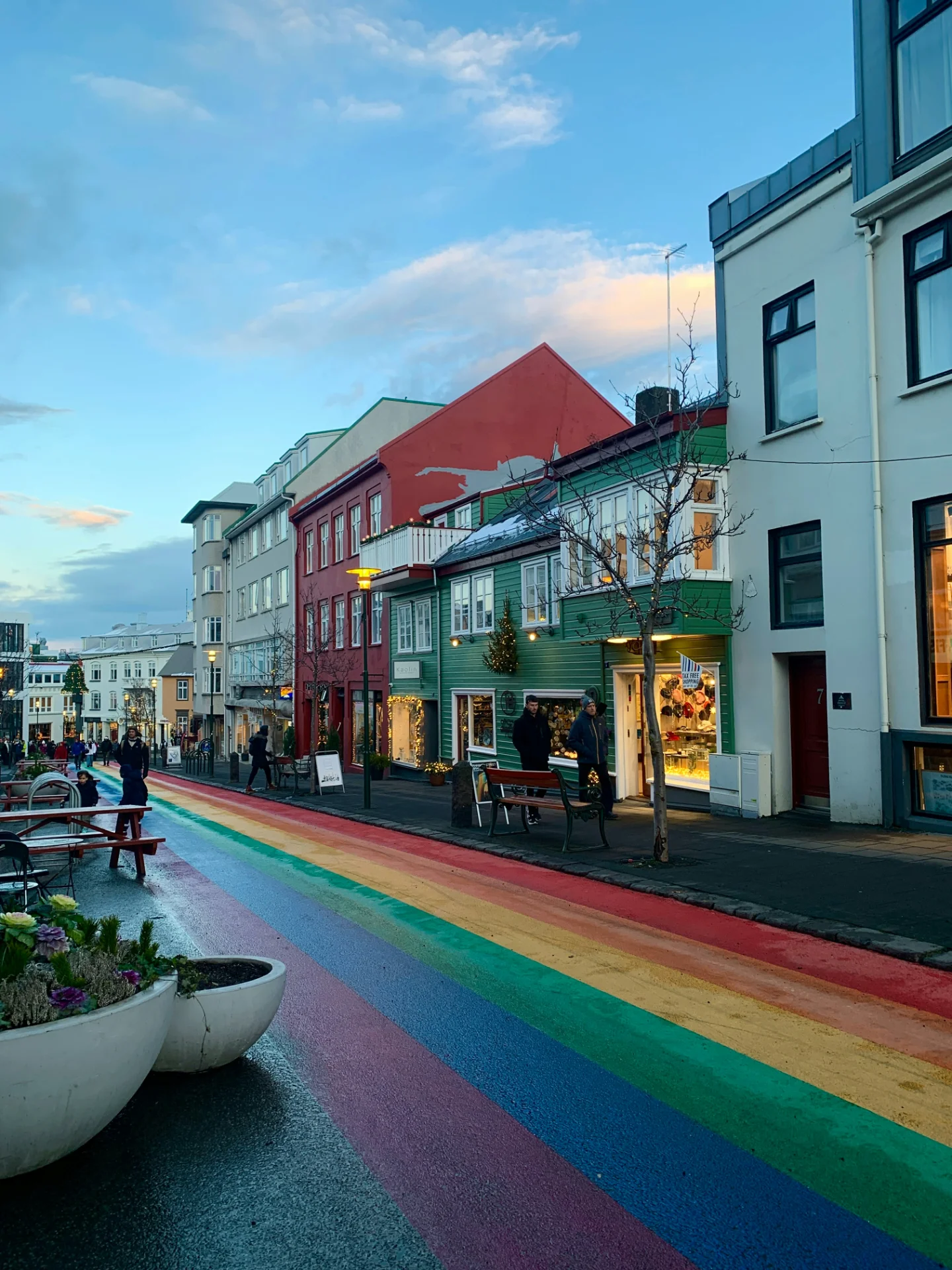
East Fjords: Stöðvarfjörður, Seyðisfjörður's rainbow street and church, Vestrahorn mountain near Höfn, and some of the quietest road on the island.
North: Dettifoss (Europe's most powerful waterfall by volume), Lake Mývatn's pseudocraters and nature baths, Goðafoss, Húsavík for whale watching, and Akureyri as the north's only proper city.
West: Snæfellsnes Peninsula (Kirkjufell, Arnarstapi, Djúpalónssandur), often called "Iceland in miniature" and worth the detour.
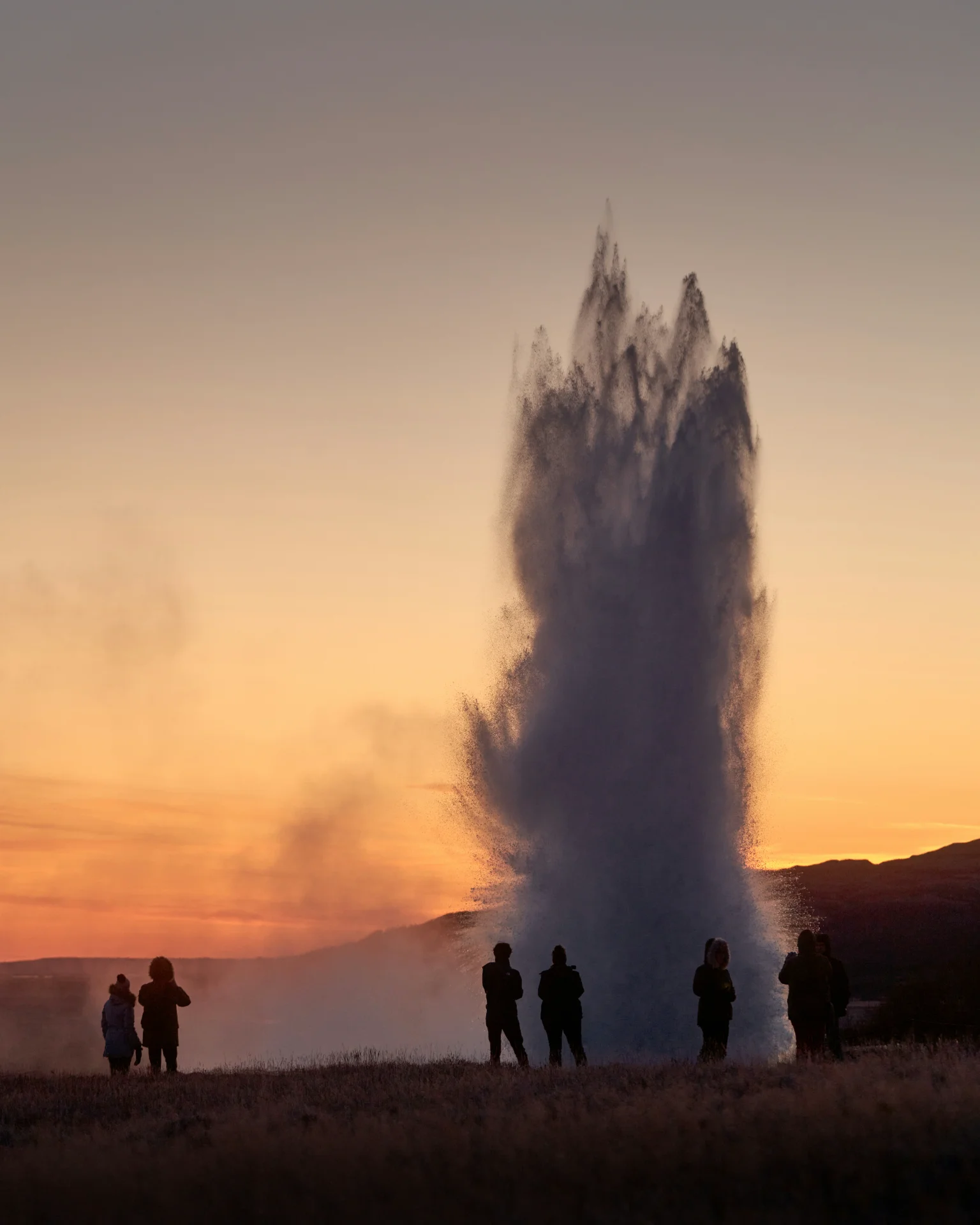
The Golden Circle: Þingvellir, Geysir and Gullfoss, typically a 230-300 km loop from Reykjavík. Guide to Iceland's Golden Circle overview is useful for timing, and Lonely Planet's Golden Circle guide is good on the lesser-visited extensions. Slot it in on day one or two, not as a separate trip.
Beyond the usual tourist highlights, I'd add Hvítserkur rock stack on the Vatnsnes Peninsula and the Hofsós infinity pool, both easy Route 1 detours that almost nobody plans for.
What are the most common mistakes people make on the Ring Road?
The biggest mistake is distance optimism: looking at 1,322 km, dividing by seven days, and assuming it'll be fine. It won't be, because Iceland's appeal is in stopping.
The ones I correct most often:
- Too few days. See above. Non-negotiable.
- Booking every night in advance in winter. You lose all ability to adapt to closures.
- Skipping gravel and wind insurance to save £80, then paying £1,500 in excess.
- Driving in the dark in winter because of an over-ambitious schedule.
- Ignoring road alerts. Icelanders check conditions obsessively before each leg. Copy them.
- Underestimating fuel gaps in the East Fjords and north, fill up above half a tank.
- Not buying a prepaid pin-protected fuel card or forgetting their card PIN; unmanned pumps require it.
- Parking on the verge for photos. Off-road driving is illegal and heavily fined.
- Packing for cold but not for wet wind. Rain plus 20 m/s wind defeats most UK coats.
A practical tip: get connectivity sorted before you land, because weather and road portals are useless offline. An affordable travel eSIM is cheaper than most UK roaming add-ons.
Can you do the Ring Road solo?
Yes. Solo Ring Road trips are common, and Iceland is one of the safest countries in the world for independent travel. The main constraints are cost and fatigue rather than danger.
Solo-specific advice:
- Single rooms are rare; you'll often pay close to double occupancy. Hostels and farm stays help.
- Driving alone means no second pair of eyes for wind, sheep and signs. Shorter daily legs.
- Register your plans with Iceland's SafeTravel service if you're hiking or driving remote sections.
- Share your live location with someone at home each morning.
- Winter solo driving is the one combination I'd steer a first-timer away from.
Are there shorter alternatives to the full Ring Road?
Plenty, and they're often the better choice for a 4-6 day trip. Each gives you Iceland's drama without the mileage.
| Alternative | Days needed | Why choose it |
|---|---|---|
| Golden Circle only | 1-2 | Easiest, closest to Reykjavík, paved throughout |
| South Coast out-and-back | 3-5 | Waterfalls, black beaches, glacier lagoon |
| Snæfellsnes Peninsula | 2-3 | "Iceland in miniature", very few crowds |
| Reykjavík + day tours | 3-4 | No driving at all, good in deep winter |
| Half Ring Road + domestic flight | 6-7 | Covers south and north, skips the long east leg |
Choose a shorter route if: you have under a week, it's December, February, you're nervous about driving abroad, or you want depth over coverage.
Putting your Ring Road trip together
Start with the dates, then the vehicle, then accommodation, then activities, in that order. Everything downstream depends on season.
My own planning sequence, and the one I use with clients:
- Pick your season honestly against your driving confidence.
- Lock flights to Keflavík and decide direction (anticlockwise is my default).
- Book the vehicle early with full insurance; summer 4x4s sell out by March.
- Map daily legs at a maximum of 300 km, and add two buffer days.
- Book accommodation in Vík, Höfn, Egilsstaðir/Seyðisfjörður, Mývatn and Akureyri first, these fill fastest.
- Reserve only the activities that can't be arranged last minute (glacier hikes, ice caves).
- Set up offline maps, an eSIM and bookmarked road and weather portals.
What to pack: waterproof outer shell and trousers, merino base layers, proper waterproof walking boots, swimwear and quick-dry towel (geothermal pools, daily), a sleep mask for summer's midnight sun, head torch for winter, sunglasses year-round, a reusable water bottle, and a car phone mount. Skip the umbrella. It will not survive.
Conclusion: making your Ring Road trip genuinely unforgettable
The Ring Road rewards patience over ambition. Give yourself ten days, the right vehicle for your season, and the willingness to rip up a day's plan when the weather says so, and you'll come home with the kind of trip people keep talking about years later.
Your next steps:
- Decide your season and trip length before anything else.
- Bookmark the Icelandic road alerts and road conditions pages now, and start watching them.
- Reserve your car hire and the five fastest-filling overnight stops.
- Build in buffer days. Every experienced Iceland driver does.
If you'd rather hand the logistics to someone who does this for a living, that's exactly what I do. I'm Mike, a British expat based in Helsinki, and I build tailor-made Nordic and Scandinavian holidays planned with local insight, from Helsinki city breaks and Lapland adventures to multi-country Nordic escapes and full Iceland self-drives shaped around your travel style, interests, and pace. Practical travel arrangements, handpicked Nordic experiences, and bookings that are ATOL and Protected Trust Services protected, so you can book with confidence.
Have a look at my Iceland destination guide for more background, or start planning your Nordic trip with me and let's get your Ring Road itinerary onto paper.
Ring Road Trip Length Planner
Estimate whether your days and season suit the full 1,322 km loop.
FAQ
How long is Iceland's Ring Road? Route 1 is approximately 1,322 km (821 miles) and forms a complete loop around the island. It is paved along its entire length.
Do I need a 4x4 for the Ring Road? No, not for the paved loop in summer, a 2WD car is sufficient. A 4x4 is needed for winter driving, F-roads into the highlands, and rough gravel side roads.
Which direction should I drive the Ring Road? Anticlockwise (south coast first) is most popular. It puts the biggest attractions early, when you're freshest, and spreads crowds slightly against the clockwise tour-bus flow.
Is the Ring Road open all year? Route 1 is theoretically open year-round, but sections close regularly in winter due to snow, ice and high wind. Storms in October 2026 closed parts of the road, which is typical for the season.
Are winter tyres required in Iceland? Yes. Winter tyres are a legal requirement during the cold months, and studded tyres are strongly recommended for Ring Road driving in snow and ice.
Can you camp along the Ring Road? Yes, at designated campsites. Wild camping and off-road driving are illegal in Iceland and carry heavy fines.
How much fuel will I use on the Ring Road? Expect roughly 1,500-1,800 km of total driving including detours. In a compact petrol car that's around £180,£250 at typical Icelandic pump prices.
Is the Golden Circle part of the Ring Road? No. The Golden Circle is a separate 230-300 km loop near Reykjavík that most travellers add at the start or end of their Ring Road trip.
What's the minimum number of days for the Ring Road? Eight days is the practical minimum in summer. In winter I'd want twelve or more to absorb weather delays.
Can beginner drivers handle the Ring Road? Yes in summer, provided you're comfortable driving on the right, respect single-lane bridges, and slow down on gravel. Winter is a different proposition entirely.